• 3 min read
Infinix Smart 20 brings 120Hz display and IP64 durability
Infinix is taking the wraps off the Smart 20 in India on June 8, and the pitch is obvious: give budget buyers a phone that looks slimmer, lasts longer, and packs a few premium-ish extras without pretending to be a flagsh

Infinix is taking the wraps off the Smart 20 in India on June 8, and the pitch is obvious: give budget buyers a phone that looks slimmer, lasts longer, and packs a few premium-ish extras without pretending to be a flagship. The Infinix Smart 20 leans hard on a 120Hz display, IP64 durability, and software tricks, which is a familiar play in this price bracket – just one that usually comes with a few compromise-shaped asterisks.
The company says the phone is aimed at everyday use, but it is also clearly trying to stand out in a segment where “good enough” is usually the default setting. That means a high refresh rate screen, a bigger battery-friendly chip, and some AI features that sound more ambitious than the average entry-level spec sheet.
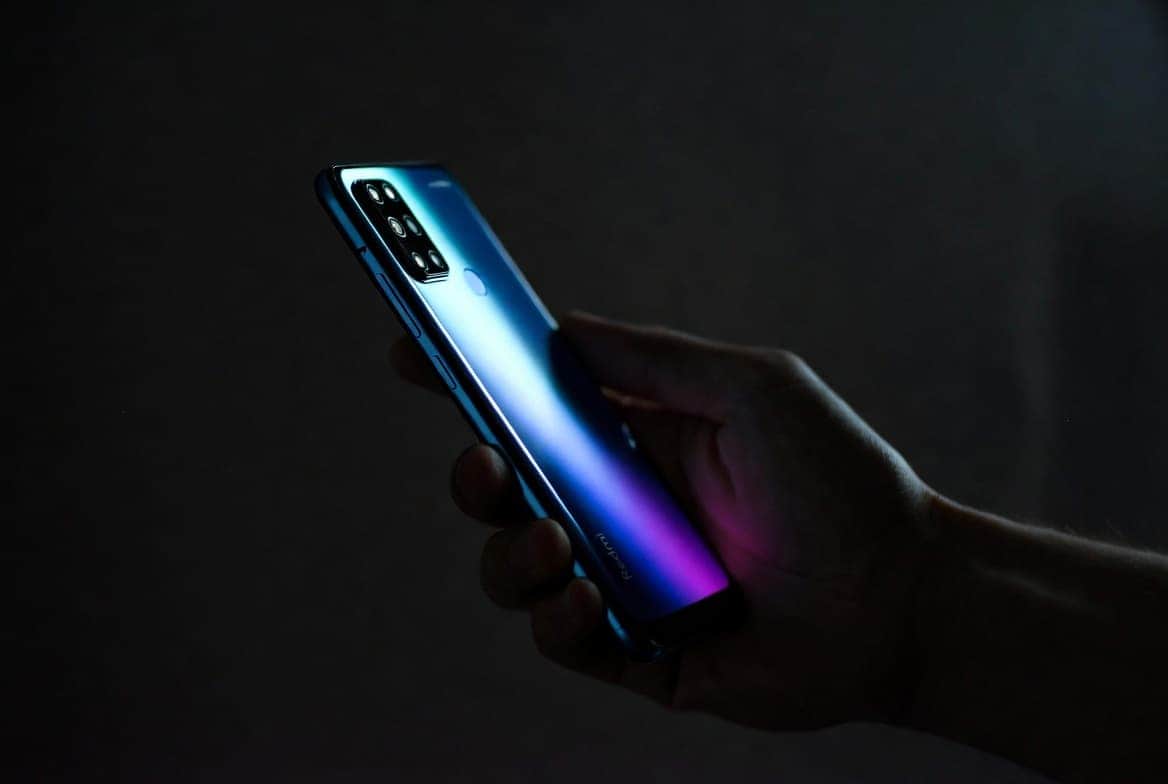
Infinix Smart 20 display and design
The Smart 20 comes with a 6.78-inch punch-hole display and a 120Hz refresh rate, plus up to 700 nits of brightness in High Brightness Mode. It also uses a self-adaptive refresh rate system, which should help balance smooth scrolling with power use instead of burning through the battery for no good reason.

Recommended reading
Google’s Tensor chips finally improved. Now comes the hard part
On the outside, Infinix is going for a 7.7mm slim profile and a textured rear panel that is meant to improve grip and cut down on fingerprint smudges. Not glamorous, perhaps, but far more useful than another glossy back panel that turns into a greasy fingerprint museum by lunchtime.
Helio G81 Ultimate, storage and memory fusion
Inside, the phone runs on the MediaTek Helio G81 Ultimate processor and has earned a 48-month fluency certification, according to Infinix. The handset will ship in 4GB+64GB and 4GB+128GB versions, with Memory Fusion allowing RAM expansion up to 8GB.
- Processor: MediaTek Helio G81 Ultimate
- Storage variants: 4GB+64GB and 4GB+128GB
- RAM expansion: up to 8GB with Memory Fusion
- Display: 6.78-inch punch-hole panel, 120Hz refresh rate
IP64 durability and camera setup
Infinix is also pushing the Smart 20's toughness. The phone carries an IP64 rating for dust and water resistance, supports touch input even when fingers are oily or greasy, and has reportedly survived more than 25,000 drop tests, including drops from up to 1.5 metres.
Camera hardware is modest: 8-megapixel sensors on both the front and rear. That is not the sort of spec sheet that will lure mobile photographers, but it does fit the rest of the package, which appears designed to do the basics reliably rather than chase headline-grabbing imaging bragging rights.
XOS 16, Folax AI and Ultra Link
The phone runs XOS 16 and brings a set of AI tools under Folax AI, including document scanning, song recognition, speaker cleaning and quick queries. Those are the kinds of features that can actually get used, which puts them ahead of a lot of AI branding that mostly exists to fill slides and press releases.
There is also Ultra Link, a feature that enables offline communication over distances of up to one kilometre without network connectivity. If that sounds niche, it is – but it is also the sort of unusual add-on that could give Infinix a talking point in a crowded low-cost smartphone market where most rivals are still fighting over minor camera tweaks and charging speeds.
The open question is whether the Smart 20's mix of 120Hz display, durability claims, and software extras will be enough to pull attention away from better-known budget brands. On paper, it is a sensible package; in shops, that always depends on pricing, and that is the number buyers will care about first.
Gadgets Editor
Eli is obsessed with the tangible future. He reviews phones, wearables, and everything with a battery. Known for his rigorous testing protocols and unabashed teardowns, Eli has broken more review units than he cares to admit, all in the name of discovering the truth about durability and repairability.