• 3 min read
Hyundai workers push robot safeguards before Atlas arrives
Hyundai’s union in South Korea is seeking job protections tied to Boston Dynamics robots as wage talks stall and partial strikes begin.
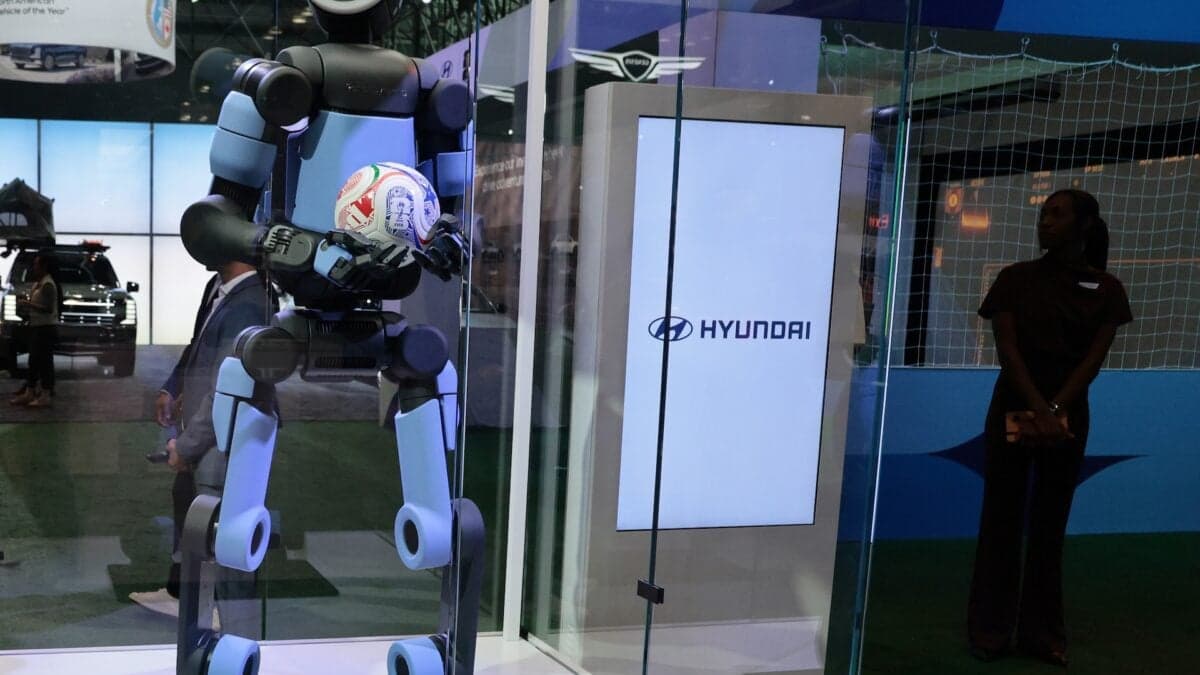
Image: Gizmodo
Hyundai’s labor union in South Korea is trying to secure job protections before humanoid robots reach its factories, turning this year’s wage talks into an early test of how workers respond to automation plans that are still mostly on the horizon.
The dispute centers on Hyundai’s growing use of Boston Dynamics technology. The automaker bought most of Boston Dynamics in 2021 and moved earlier this year to take over nearly all of the rest. Hyundai and Boston Dynamics have recently told investors that Atlas should now be seen less as an experimental machine and more as finished hardware designed to work alongside people and equipment.
According to CNBC, Hyundai plans to deploy Atlas robots at its plant near Savannah, Georgia by 2028, starting with “sequencing” tasks such as placing parts in the correct order for assembly. Initially, those jobs would involve small parts. By 2030, CNBC reported, Atlas could take on “tasks involving heavy loads, repetitive motions and complex operations across production sites.” Hyundai has also said it is manufacturing tens of thousands of the robots.
Recommended reading
Microsoft trains sales team to undercut OpenAI and Anthropic
Against that backdrop, Hyundai workers in Ulsan launched a three-day partial strike this week during annual wage talks. The Korea Herald said workers left two hours early across two shifts, cutting productivity by four hours per day. Bloomberg reported that talks had already failed to produce an agreement last week.
What Hyundai workers are asking for
The union is not demanding a ban on robots. Instead, it wants protections in place before any rollout affects jobs. One of the union’s main negotiators, Byun Jun-hwan, told The Wall Street Journal:
“We have to prepare to ensure there are safeguards in place.”
Per the Journal, workers have called for:
- a shift from hourly wages to salaries
- raising the retirement age from 60 to 65
The salary proposal is meant to protect workers if automation reduces working hours. The retirement-age demand appears aimed at preventing headcount cuts through attrition if robots gradually take over more factory work.
Bonuses are also a major issue. Bloomberg said those demands have gained momentum after Samsung Electronics Co. and SK Hynix Inc. paid chip workers large bonuses tied to profits from the AI boom. Earlier this year, Samsung avoided a strike in May by agreeing to a deal at its memory plant worth almost $400,000 per worker in bonuses, according to Yonhap News Agency.
The Journal described Hyundai’s action as the car industry’s first factory stoppage addressing humanoid robots. The larger question is still unresolved: whether humanoid machines will actually transform factory economics at scale, or remain far less useful than corporate roadmaps suggest. For now, Hyundai’s union is negotiating as if that answer may arrive sooner than workers can afford to wait.

Enterprise Editor
Marcus follows the money. He covers enterprise software, cloud architecture, and the tectonic shifts in Big Tech strategy. He translates dense earnings calls and complex M&A activity into actionable insights about where the industry is actually heading. If a tech giant makes a silent pivot, Marcus is usually the first to notice.
via Gizmodo