• 3 min read
HarmonyOS 7 adds spatial UI and deeper AI control
Huawei has pulled the wraps off HarmonyOS 7, and the headline is not just prettier menus. The new release pushes a spatial interface, a more ambitious AI layer, and a bundle of security tools aimed at scams, fake links,
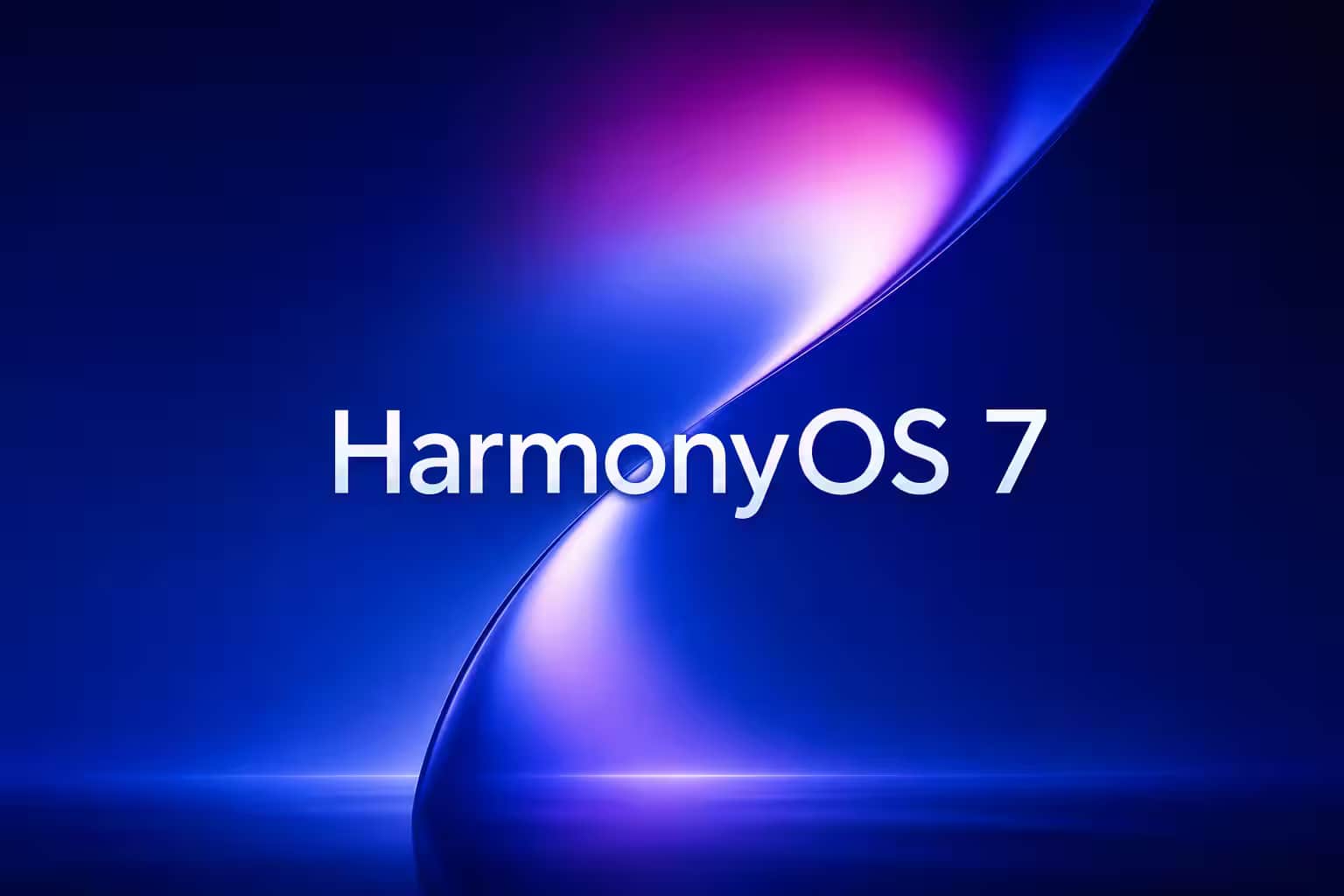
Huawei has pulled the wraps off HarmonyOS 7, and the headline is not just prettier menus. The new release pushes a spatial interface, a more ambitious AI layer, and a bundle of security tools aimed at scams, fake links, and impersonation. It is also the clearest sign yet that Huawei wants its software stack to feel like one system across phones, tablets, PCs, wearables, and connected devices rather than a loose collection of apps and settings.
A spatial interface with more depth
HarmonyOS 7 introduces a new visual language built around depth and motion. Huawei says it is using software-based rendering to create three-dimensional effects across the interface, including lock screens that react more naturally to wallpapers and lighting effects that animate buttons and sliders.
That sounds cosmetic, but it is also a familiar playbook: make the platform look more advanced while quietly tying the experience more tightly together. Apple and Google have both spent years polishing visual design as a way to make users feel the ecosystem is coherent, and Huawei is now leaning into the same logic with extra theatrical lighting.

Recommended reading
Enigma raises $70M to rethink robot control
Celia becomes a system-level AI hub
The bigger shift is under the hood. Huawei says HarmonyOS 7 is its first operating system built around a comprehensive AI-driven architecture rather than AI features bolted on top. The upgraded Celia assistant is now framed as a system-level intelligence hub that can understand user intent, handle multi-step actions, and work more deeply with apps and services.
Huawei also introduced the HarmonyOS Intelligent Agent Framework 2.0, which it says lifts task completion rates for complex requests to above 90 percent. Add in smarter photo editing, content generation, and broader in-app commands, and the message is clear: Huawei wants AI to be the control layer, not just a chatbot tucked into a corner.
- Task completion rates for complex requests: above 90 percent
- Performance gain: up to 15 percent better than the previous generation
- Developer beta: available starting today for selected devices
Security features take a bigger role
HarmonyOS 7 also puts security front and center with an anti-fraud platform built to catch suspicious QR codes, fake web pages, app impersonation attempts, and spoofed phone numbers from overseas. Huawei says AI-based voice scam detection is included too, which is timely given how many fraud attempts now sound polite, local, and vaguely believable.
This is the kind of feature set that often arrives after the market has already made the problem painful. Mobile platforms have increasingly had to fight scams at the OS level, and Huawei is clearly betting that trust features can be as important as flashy UI tricks in keeping users inside its ecosystem.
HarmonyOS 7 beta devices and rollout plan
The developer beta starts now for the Huawei Mate 80 Pro, Mate X7, Mate XT Master, Pura 90 Pro Max, Pura X, Pura X Collector’s Edition, and nova 15 Pro. Huawei says the stable version will arrive later this year, while the Mate 90 series, expected to launch in September in China, will be the first phones to ship with HarmonyOS 7 preloaded.
That staged rollout matters. Huawei is still using premium hardware as the proving ground for its software ambitions, which is sensible if you want developers to test features first and buyers to see them later in a polished form. The open question is whether those AI promises and security tools will feel essential enough to pull users through the upgrade, or just nice enough to survive the demo.
AI Editor
Ava covers the rapidly evolving world of artificial intelligence, from foundational models and research labs to the real-world economics of intelligence. With a background in computational linguistics, she cuts through the hype to find out what actually works. She firmly believes that benchmarks are just marketing until reproduced in the wild.