

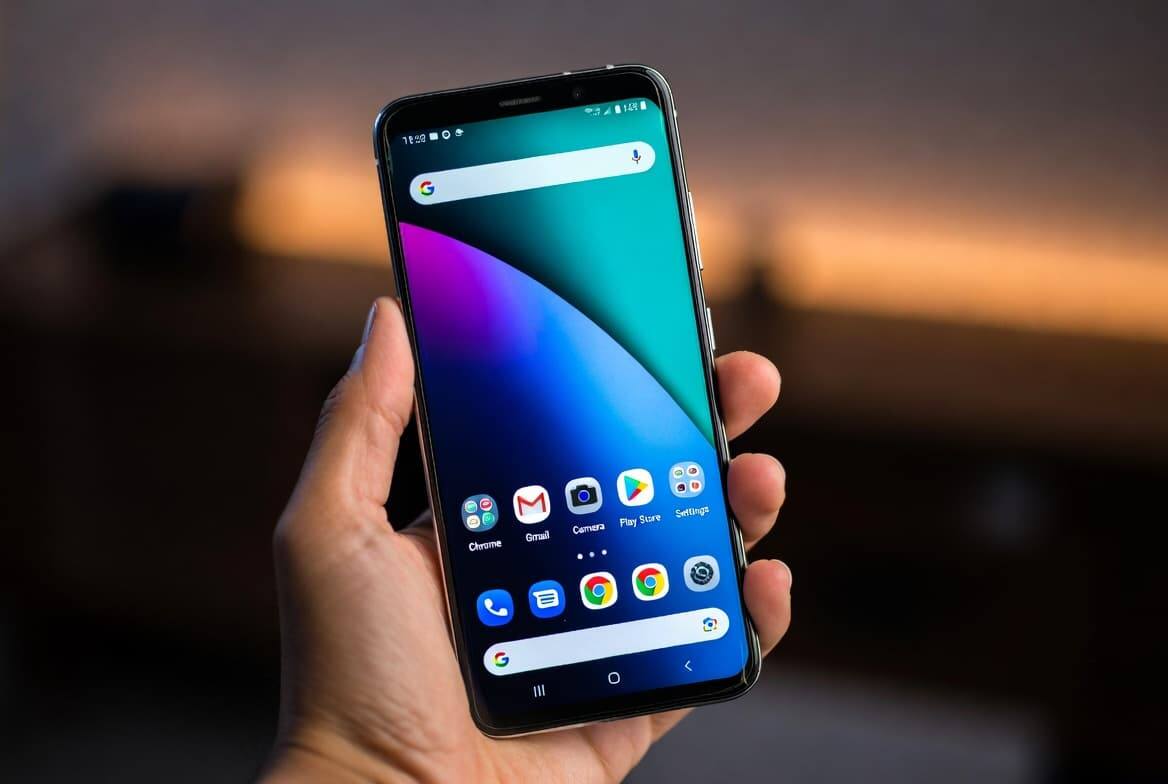
More than half of all smartphones shipped worldwide are set to include generative AI features by 2027, even as the phone business stumbles into a sharp downturn. Counterpoint Research says GenAI-capable devices will rise from 36% of shipments in 2025 to 45% in 2026, then hit 52% in 2027, a sign that AI has moved from showroom garnish to a baseline spec.
That shift is happening at the worst possible time for volume. Counterpoint expects global smartphone shipments to fall 13.9% in 2026 to 1.08 billion units, the lowest level since 2013, with memory shortages doing a lot of the damage. Chipmakers are steering capacity toward high-margin server memory for AI infrastructure, which is pushing up prices for the LPDDR parts phones rely on. Nice if you sell datacenter gear; less fun if you’re trying to keep a handset under a sane price.
GenAI smartphones are moving into the default tier
The clearest takeaway is that generative AI is no longer being treated as a premium-party trick. Apple has already introduced several AI features expected to arrive in the iPhone 18 lineup in September, while Android vendors are pushing beyond simple on-device assistants and into more ambitious ”agentic AI” tools for flagship models. In other words, the marketing pitch is changing from ”look, it can summarize your notes” to ”look, it can actually do something with them.”
This is also the kind of feature shift that tends to spread downward fast once the top end normalizes it. A year or two ago, GenAI in phones sounded like a spec-sheet flex; by 2027, Counterpoint thinks it will be common enough to matter in nearly every major launch. The awkward part is that the industry may be selling smarter phones into a less forgiving hardware market.
Memory shortages could shape the next upgrade cycle
- GenAI-capable smartphones: 36% of shipments in 2025
- GenAI-capable smartphones: 45% of shipments in 2026
- GenAI-capable smartphones: 52% of shipments in 2027
- Global smartphone shipments in 2026: 1.08 billion units
- Expected decline in 2026 shipments: 13.9%
If that forecast holds, the next fight among handset makers will not just be about who has the best AI demo. It will be about who can absorb higher memory costs without making midrange phones look overpriced or stripping features to protect margins. The industry loves calling every new software layer a necessity; the supply chain is now deciding which necessities consumers can actually afford.