

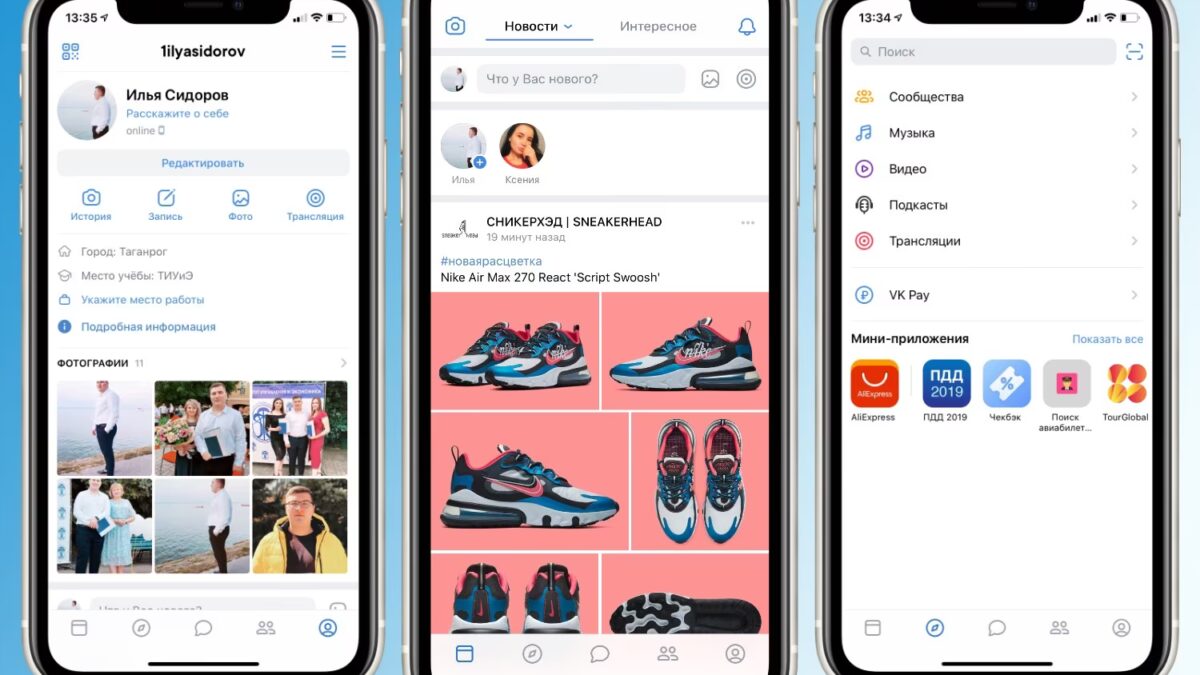
Apple has abruptly pulled several apps from Russian internet giant VK’s portfolio from its App Store, including Zen, VK Video, VK Messenger, VK Music, and VK Dating. The social network Odnoklassniki vanished later, while VKontakte (VK) itself remains available for download. This move cuts off new iOS users from accessing key VK services.
- Apple removed VK applications unilaterally and without prior notice.
- VK is not on any international or US sanctions lists, confirmed by multiple legal experts.
- Apps already installed on iPhones and iPads will continue to function as usual.
VK responds to Apple’s removal of its apps
VK slammed Apple’s decision as ”unjustified and unacceptable,” saying the company received all legal documents in advance. In an official statement, VK emphasized: ”VK has never been subject to sanctions and does not appear on any sanctions lists, as confirmed by numerous international and American legal reviews.” Despite this, Apple removed the apps without any warning or explanation.
The takedowns affect a broad range of popular Russian digital services, including social networks, messaging, video platforms, email, and educational tools, impacting tens of millions of Russian users.
Impact on iOS users after Apple removes VK apps
iPhone and iPad users can no longer download or update the removed VK apps from the App Store. Push notifications for messages and events will also stop coming through. However, apps already installed on devices will remain operational for now. VK says it is taking steps to maintain service access despite the removals.
Meanwhile, Android users face no such restrictions. All VK apps continue to be widely available on major Android app stores, including Google Play, RuStore (Russia’s alternative app marketplace), Huawei AppGallery, Samsung Store, Xiaomi Store, and directly from VK’s official websites.
This move by Apple follows increased tensions and regulatory scrutiny of Russian tech giants amid global sanctions and geopolitical conflicts. Unlike VK, Apple and Google have been careful to clearly communicate actions taken against Russian entities listed on sanction registries. VK’s legal immunity from sanctions adds a puzzling layer to Apple’s sudden unilateral removals, raising questions about the company’s decision-making process.
For comparison, major US platforms like Facebook and YouTube have enforced content restrictions on Russian state media or sanctioned entities but have rarely removed apps from their stores without explicit legal grounds. Apple’s latest actions suggest a more aggressive approach toward Russian tech apps, one that could escalate as geopolitical pressures mount.
Looking ahead, key issues to watch are whether Apple will clarify its reasons or restore access and how VK might adjust its distribution strategy to maintain a foothold on iOS. With tens of millions of users potentially affected, this could set a precedent for how Western tech ecosystems regulate apps tied to sensitive geopolitical territories, possibly influencing other platforms’ actions soon.