• 3 min read
Flock cameras misread 71% of Roseville alerts
A Business Insider analysis found Flock cameras misread 71% of criminal-activity plate alerts sent to Roseville police from 2023 to 2024.
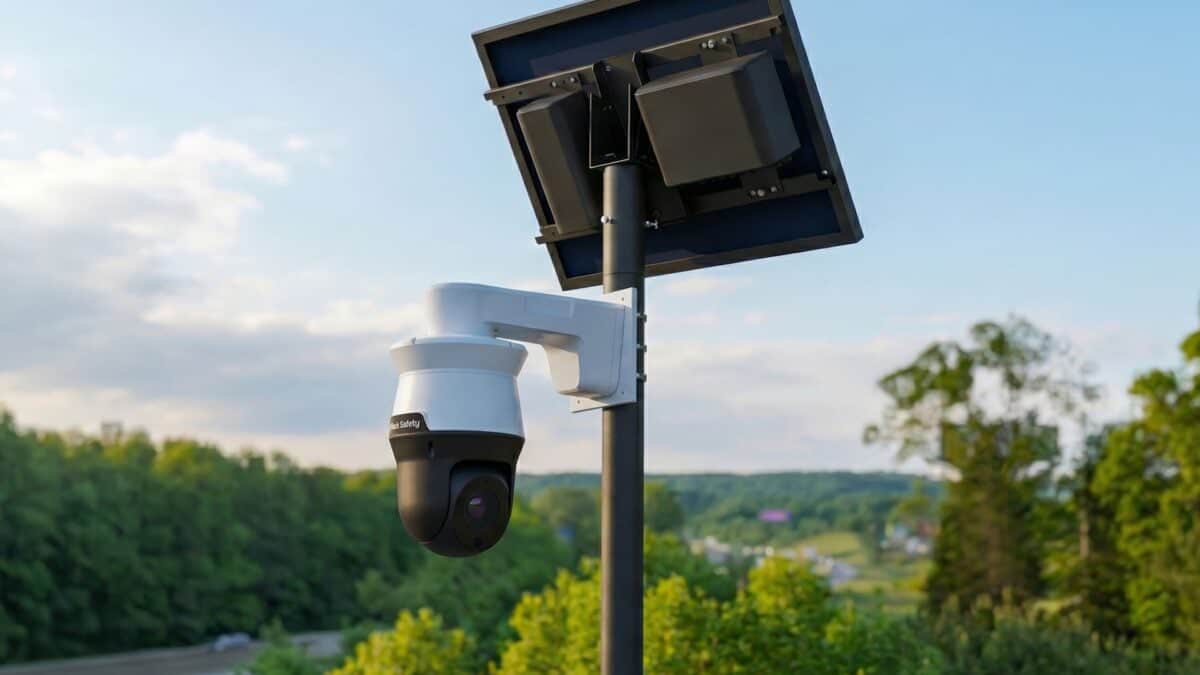
Image: Gizmodo
Flock Safety’s automated license plate readers produced incorrect plates in 71% of alerts tied to stolen vehicles or cars allegedly used in felonies in Roseville, California, according to a Business Insider analysis reviewed by Gizmodo.
The analysis covered 1,427 alerts sent to the Roseville Police Department over two years, from 2023 through 2024. Flock cameras are intended to alert police when a passing vehicle’s plate appears connected to criminal activity, including a stolen vehicle report or a felony investigation. In most of those cases, however, the plate identified by the system did not match the vehicle.
Flock’s accuracy claims
Flock disputed the way the 71% figure was characterized. A spokesperson told Gizmodo that the figure applies specifically to alerts involving plates associated with felony charges, rather than to every vehicle the company’s cameras scan.
“As part of our internal improvement processes, we recently performed accuracy testing. In optimal deployment conditions, we measure a >99% capture rate in clear weather and rain, >96% OCR accuracy and >97% plate-state accuracy.”
Those figures cover all scans, including vehicles that do not trigger an alert. Flock cameras continuously scan passing cars, so the company’s overall optical-character-recognition and plate-state figures do not necessarily describe how often a criminal-activity alert is correct.
Flock also said that most of the data involving misreads came from 2025 or earlier and claimed that performance had improved. The spokesperson said Roseville disputed that claim, according to Business Insider.

Recommended reading
DeepSeek-powered agent autonomously attacks exposed servers
Roseville’s camera deployment
Flock attributed the errors partly to the way Roseville installed and used the equipment. The company said the city’s setup included older hardware and nonstandard installation locations, placing cameras farther from vehicles and higher than Flock typically recommends.
“Roseville had a particularly unique deployment based on their own preferences, which includes older hardware and non-standard installation locations that resulted in the cameras being placed further from the vehicles and higher than we’d typically recommend.”
Business Insider reported that Roseville asked Flock to scan only the backs of vehicles to avoid capturing people’s faces. The department reportedly raised bad reads and other problems with Flock dozens of times over a four-year period.
Roseville police said they had not stopped or arrested anyone based on an incorrect Flock scan. The city has nevertheless spent approximately $450,000 on the system, including alerts that the analysis found were wrong.
Other mistaken stops and arrests
Roseville is not the only jurisdiction to report problems. The Institute for Justice has documented at least 27 cases in which drivers were mistakenly pulled over, detained, or arrested because of a Flock alert.
The reported incidents include:
- Police in Arkansas holding a family at gunpoint earlier this year after a Flock scan incorrectly suggested their car was stolen.
- A man in San Diego being jailed for nearly a month after Flock cameras falsely identified a vehicle as connected to a violent crime.
Flock says its cameras provide police with searchable plate data that can reportedly be queried across jurisdictional borders. But the Roseville findings highlight a gap between accurately recording passing vehicles and accurately identifying cars supposedly linked to criminal activity—an error that can turn a database alert into a police encounter. Communities are not required to deploy the cameras, and Roseville’s experience shows the cost of relying on alerts that were incorrect seven times out of 10 in the analyzed cases.
Security Editor
Sophia unpacks the invisible wars happening on our networks. Covering cybersecurity, privacy legislation, and cryptography, she exposes how our data is weaponized and defended. Before joining for(geeks), she spent years as a penetration tester. She's the reason the rest of the team uses physical security keys.
via Gizmodo