• 2 min read
Google opens Fitbit Air to DIY band makers
Google has done something unusual for a wearable maker: it has published the measurements and accessory guidelines for the new screenless Fitbit Air, letting anyone design a compatible band. That means the usual gatekeep
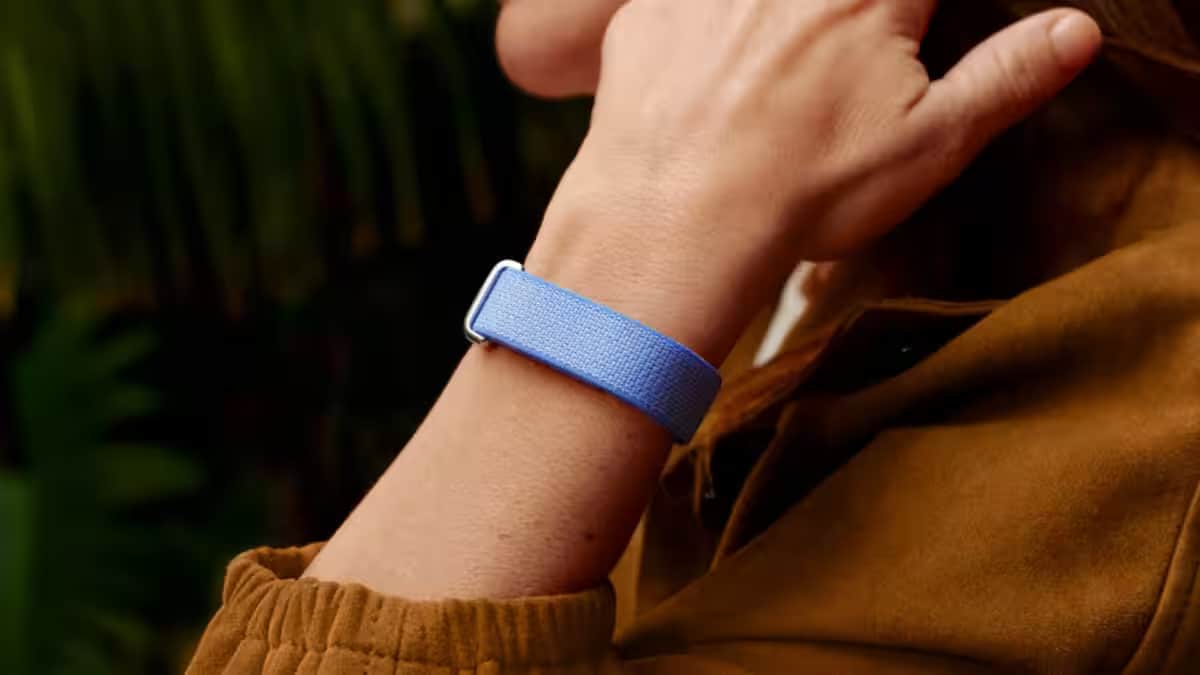
Google has done something unusual for a wearable maker: it has published the measurements and accessory guidelines for the new screenless Fitbit Air, letting anyone design a compatible band. That means the usual gatekeeping around accessory ecosystems is gone, at least for this device, and the maker crowd suddenly gets a lot more to work with than vague dimensions and guesswork.
The move matters because bands are where wearables become personal. Google is handing over enough detail to reduce the compatibility headaches that usually trip up homebrew accessories, while also nudging the market beyond the official store. In practice, that gives users more choice and gives small accessory makers a cleaner path into a category that is often locked behind licensing deals.
What Google published for Fitbit Air
Google says it has released full device measurements along with design guidance for the band itself. The files include 2D CAD material, which means anyone wanting to 3D print a band still has some work to do before a printer can spit out a finished accessory. If you are cutting and sewing instead, the blueprints are more immediately useful.
- Full device measurements
- Accessory guidelines for band design
- 2D CAD files for DIY work
- Recommendations for sensor clearance
- Advice on skin-friendly materials
Why this is more open than usual
Most gadget makers keep exact product dimensions close to the vest and share them only with approved accessory partners in exchange for a fee. Google’s decision breaks from that model and effectively opens the door to a wider band market, including one-off makers who never would have bothered with paperwork and licensing. It is also a quiet acknowledgment that accessories can extend the life of a wearable without waiting for a giant retail rollout.
For Fitbit Air owners, the upside is obvious: more styles, more materials, and more places to buy from. For Google, the downside is less control over what people strap to their wrists, but the company seems willing to trade that for a more enthusiast-friendly ecosystem. The same logic has long helped open hardware communities thrive; closed systems usually get the official extras, then everybody else gets creative in the margins.
Recommended reading
PyTorch Monarch brings fault-tolerant training to AMD GPUs
What comes after Fitbit Air
Google has not said whether it plans to extend the same treatment to other products, but the wish list is easy to guess. The Pixel Watch and Pixel Buds would be the obvious next candidates if the company wants to keep turning accessory design from a licensed side business into something more open and useful. The bigger question is whether Google sees this as a one-off experiment or the start of a broader hardware policy shift.
AI Editor
Ava covers the rapidly evolving world of artificial intelligence, from foundational models and research labs to the real-world economics of intelligence. With a background in computational linguistics, she cuts through the hype to find out what actually works. She firmly believes that benchmarks are just marketing until reproduced in the wild.