• 2 min read
SpaceX sets Falcon Heavy launch for ViaSat-3 F3 after weather slip
SpaceX is aiming to launch the ViaSat-3 APAC satellite on a Falcon Heavy from Kennedy Space Center’s Launch Complex 39A on Wednesday, 29 April. The 85-minute window opens at 17:13 Moscow time, and if weather or other iss
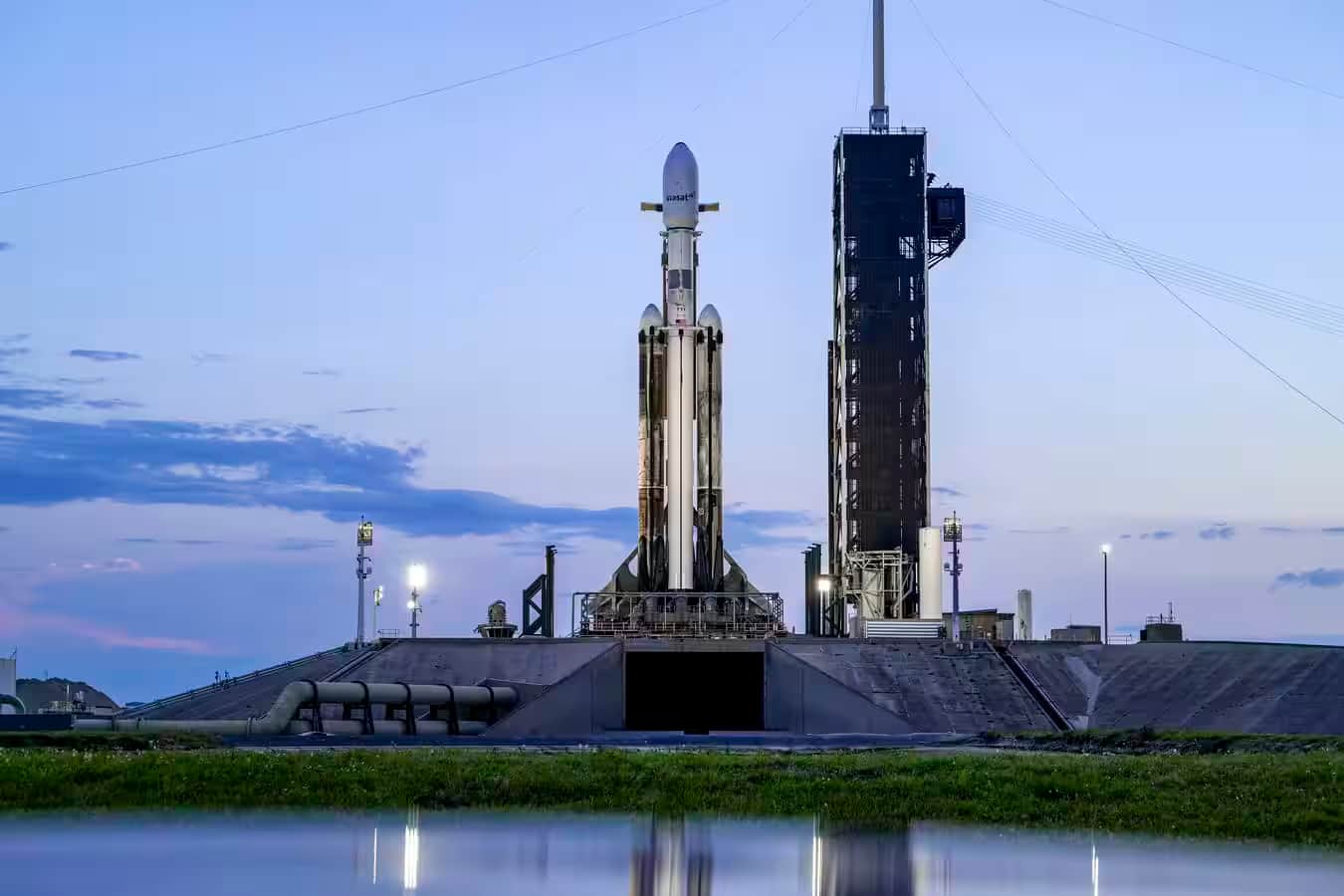
Image: ixbt.com
SpaceX is aiming to launch the ViaSat-3 APAC satellite on a Falcon Heavy from Kennedy Space Center’s Launch Complex 39A on Wednesday, 29 April. The 85-minute window opens at 17:13 Moscow time, and if weather or other issues get in the way again, a backup attempt is scheduled for Thursday, 30 April, with a window opening at 17:09 Moscow time.
That caution is not surprising. Falcon Heavy launches are operationally complex even by SpaceX standards, and this one has already slipped once: the rocket was originally set to fly on 27 April before weather scrubbed the attempt. SpaceX’s ability to turn a delay into a near-immediate retry has become part of its brand, but it also underlines how little margin there is when a heavy-lift mission depends on so many moving parts.
Falcon Heavy launch details
The payload is ViaSat-3 APAC, a satellite intended to expand internet coverage across the Asia-Pacific region. Built on Boeing’s 702MP+ platform, it has a mass of 6.4 tonnes and will complete the ViaSat-3 orbital constellation once deployed to geostationary orbit.
Recommended reading
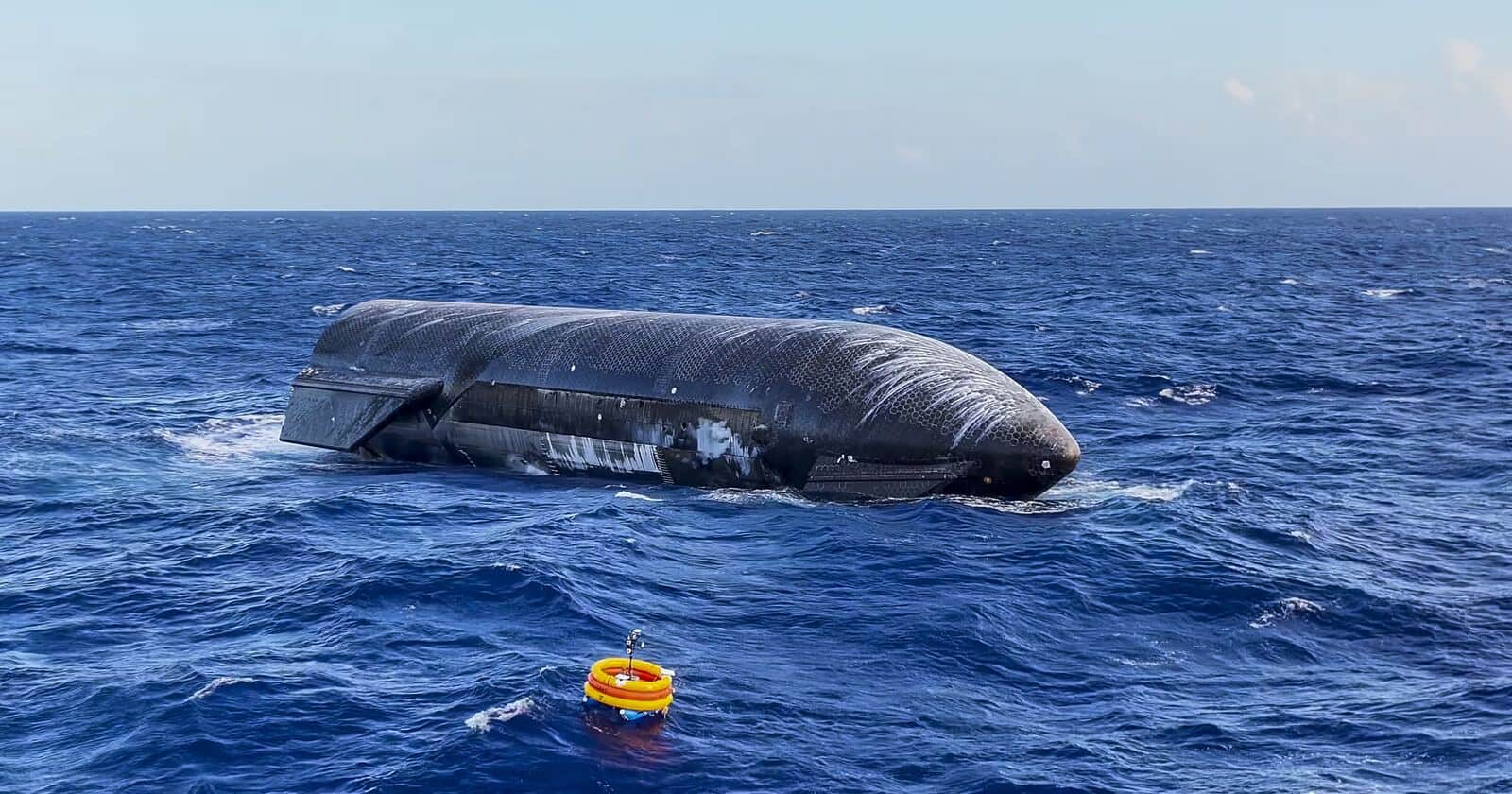
Starship S40 drifts for five days as SpaceX plans recovery
SpaceX has also shared an image of the payload, a small but familiar marketing move that helps keep attention on the mission while the launch team waits for the weather to cooperate. The company rarely leaves this much to chance, yet Florida weather still gets a vote.
Reusable boosters and planned landings
The two side boosters assigned to this flight are both veterans. One has already supported SDA-0A, SARah-2, Transporter-11, and 18 Starlink missions, while the other previously flew GOES-U. After separation, both boosters are expected to land at SpaceX’s LZ-2 and LZ-40 sites on Cape Canaveral.
- Rocket: Falcon Heavy
- Payload: ViaSat-3 F3 / ViaSat-3 APAC
- Target orbit: geosynchronous transfer orbit
- Launch pad: LC-39A, Kennedy Space Center, Florida
- Primary window: 17:13 Moscow time on 29 April
- Backup window: 17:09 Moscow time on 30 April
Why the ViaSat-3 APAC launch matters
For ViaSat, this is a consequential launch because the APAC satellite is meant to widen service across a fast-growing region where bandwidth demand keeps outrunning patience. For SpaceX, it is another test of whether Falcon Heavy can keep doing the unglamorous work: lift a very expensive object, land the hardware, and do it without making a drama out of it. The launch system can handle the ambition; the weather, apparently, is still negotiating.
Frontier Editor
Dan is our resident futurist, covering electric mobility, space exploration, and the smart home. He's interested in atoms just as much as bits. Whether it's a new battery chemistry, a reusable rocket, or a protocol that finally makes IoT devices talk to each other, Dan breaks down the engineering that pushes humanity forward.
via ixbt.com