• 3 min read
Atlas V launches 29 Amazon Leo satellites in record-fast ULA turnaround
United Launch Alliance has pushed another 29 Amazon Leo satellites into orbit aboard an Atlas V from Cape Canaveral, Florida, in a turnaround that sounds almost suspiciously efficient by launch-industry standards. The mi
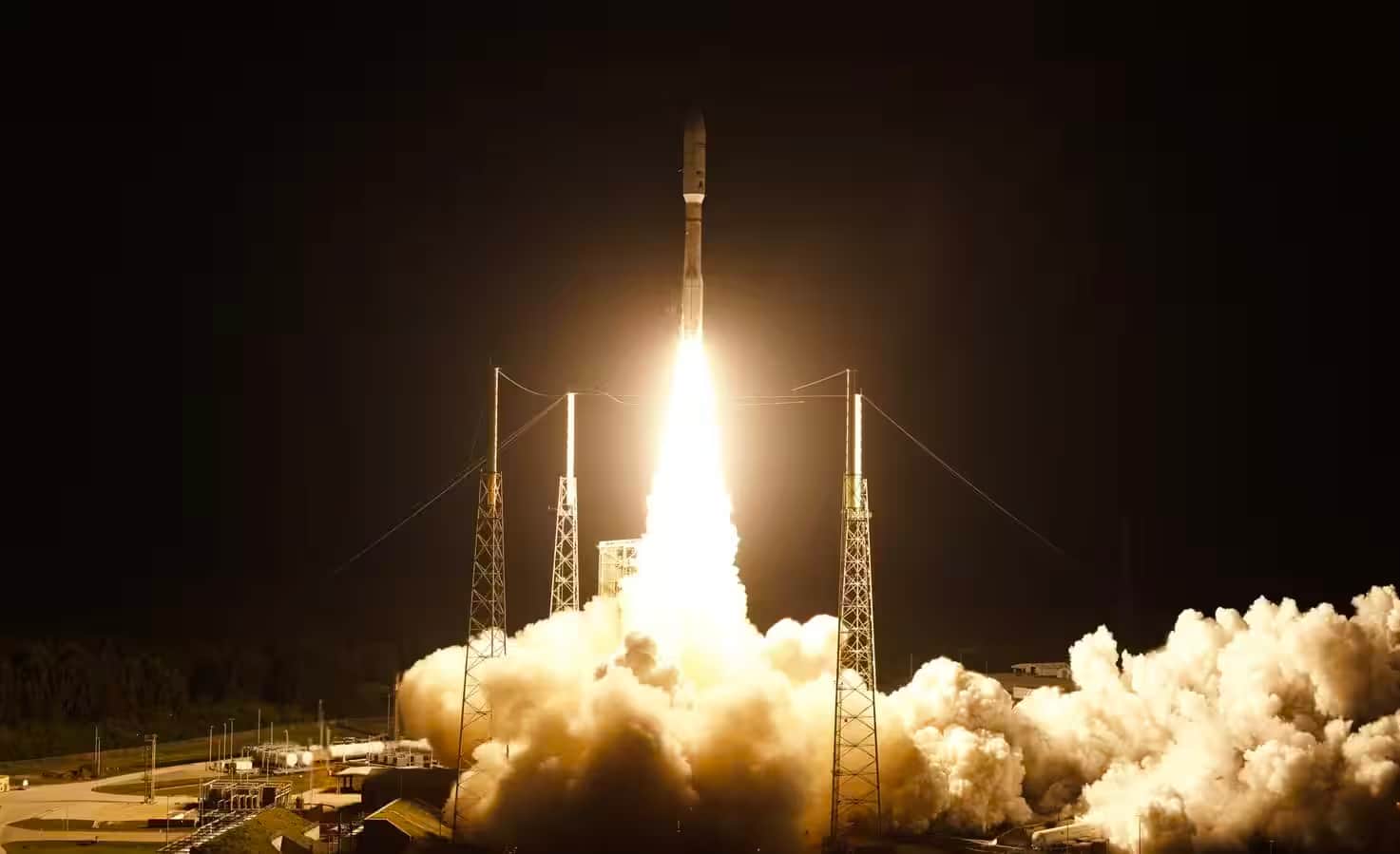
United Launch Alliance has pushed another 29 Amazon Leo satellites into orbit aboard an Atlas V from Cape Canaveral, Florida, in a turnaround that sounds almost suspiciously efficient by launch-industry standards. The mission was the sixth deployment flight for Amazon’s satellite internet network, and all of the spacecraft have been confirmed successfully separated. It also shows ULA’s Atlas V turnaround is now less than 24 days from the previous flight.
The bigger story is ULA’s pace. The company says less than 24 days passed between this launch and the previous Atlas V flight, beating its own prior record by almost three days. In a business where pad time is usually measured in cautious rituals and last-minute checklists, shaving days off that schedule is the sort of progress operators love and competitors quietly notice.
How ULA sped up the Atlas V countdown
ULA says the faster cadence came from changing the prelaunch routine. Instead of rolling the rocket to the pad at least a day before liftoff, the vehicle arrived there on the morning of the launch itself. From there, the work was split into two shifts: one for rollout and preparation, the other for fueling and launch operations.
That kind of operational trim matters because launch providers are under pressure to behave more like airline schedulers and less like cathedral builders. SpaceX has spent years normalizing rapid reuse and dense launch cadence; ULA’s response here is not reuse, but process discipline, which is a useful second-best if you want more flights without building an entirely different company.
Recommended reading
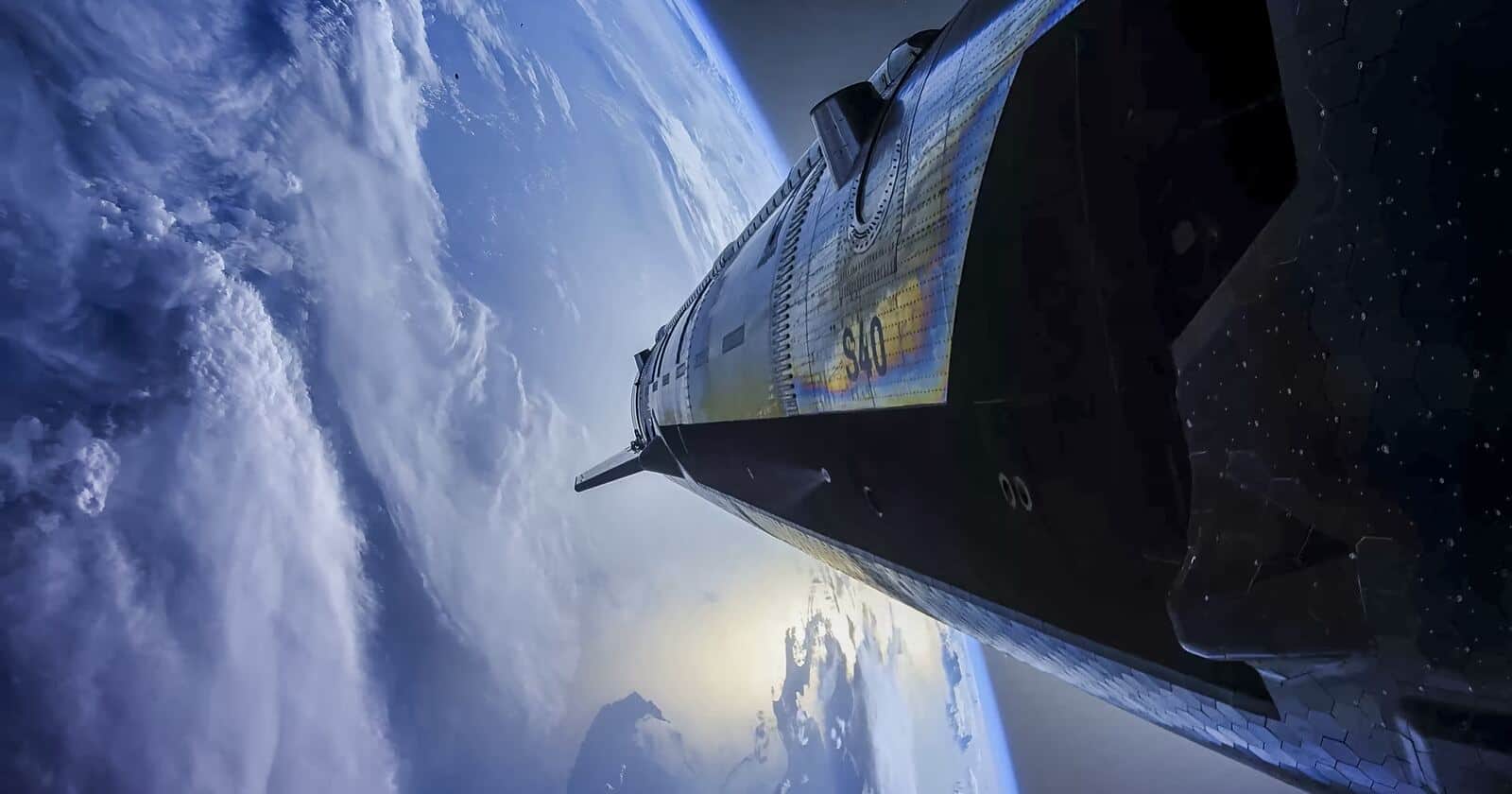
SpaceX releases striking images from Starship flight 13
Amazon Leo reaches 270 satellites
For Amazon Leo, the launch adds momentum to a constellation that is still in expansion mode. This was the sixth mission carrying operational satellites, or the seventh if you count the test vehicles, and the total number of satellites now on orbit stands at 270.
That is still far from the sort of mature footprint needed for broad consumer coverage, but it is enough to show the project has moved well past the proof-of-concept stage. Amazon is building toward a satellite internet network that can compete on reach, not just on launch headlines, and every batch makes the service harder to dismiss as a future plan.
What the next launches will test
The obvious question now is whether ULA can keep this pace without turning every launch into a special case. A one-off fast turnaround is nice; a repeatable workflow is the part that changes the scoreboard, especially if Amazon keeps pressing ahead with regular deployment flights.
If the new procedure holds, ULA gets a cleaner pitch to customers who want reliability without delay. If it slips, the record will still look good in the press release, but not nearly as good on the schedule board.
Frontier Editor
Dan is our resident futurist, covering electric mobility, space exploration, and the smart home. He's interested in atoms just as much as bits. Whether it's a new battery chemistry, a reusable rocket, or a protocol that finally makes IoT devices talk to each other, Dan breaks down the engineering that pushes humanity forward.