• 3 min read
A 600-Mile Trip Shows EV Charging Has Turned a Corner
A 600-mile trip to Montreal highlights how U.S. EV charging has improved, with more chargers and reliability rising from 85 to the mid-90s.
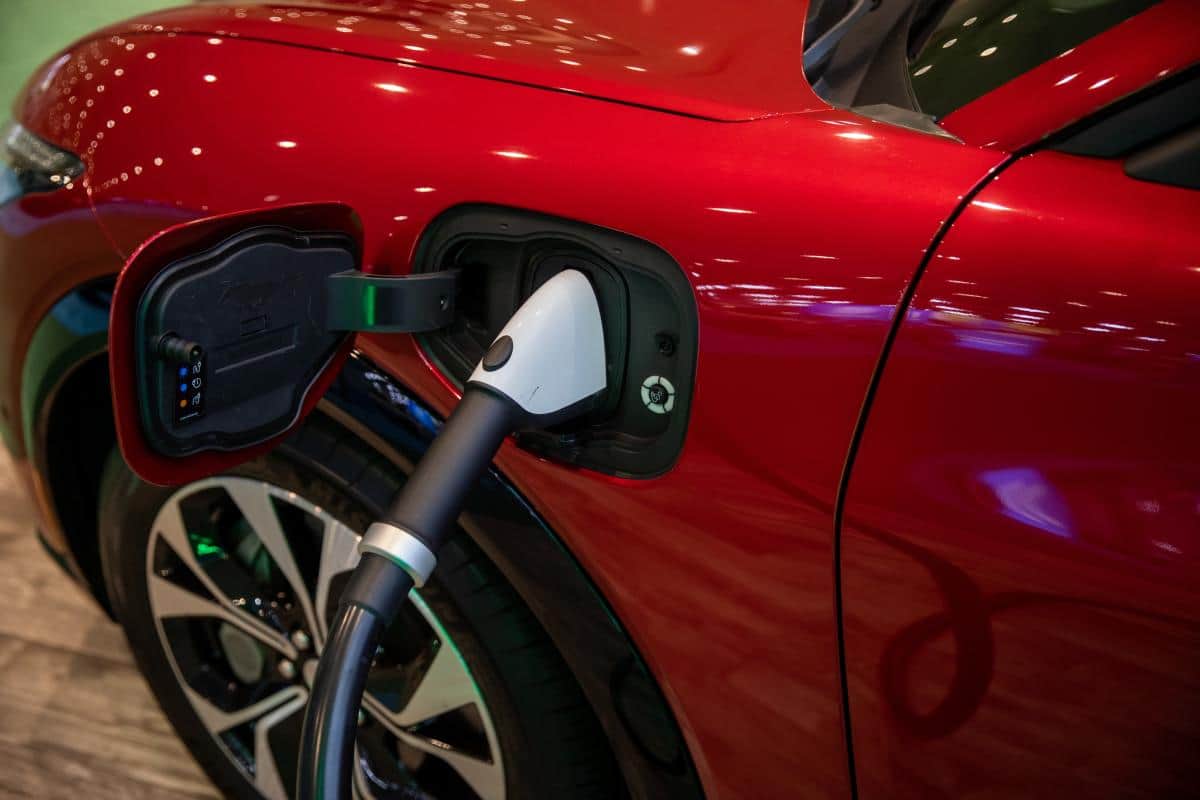
Image: TechCrunch
Public charging was once a major barrier to buying an EV. Just over half of respondents in an AAA survey last year identified public charging infrastructure as a key concern. A 600-mile road trip to Montreal, however, suggests the experience is changing quickly.
A 600-mile EV road trip
The trip was supposed to use a Kia EV9, which can travel nearly 300 miles on a charge. But a broken air conditioner left the Kia in the shop, so the journey took place in an Audi e-tron with a range of about 220 miles.
The e-tron handled the route without trouble. Using A Better Route Planner (ABRP), the driver planned stops based on factors including wind, temperature, vehicle specifications, and battery degradation. ABRP recommended a Rivian charging site near Lebanon, New Hampshire—an especially good choice regardless of the app’s ownership by Rivian.
The site had no queues, food options, a grocery store, and six working 300-kilowatt chargers. The charger accepted a credit card without requiring the Rivian app and delivered more than 140 kilowatts, roughly the e-tron’s maximum rate. The return trip went just as smoothly.
The only problem came at a Circuit Électrique station outside Montreal, where the card reader failed. Downloading the network’s app and adding 20 Canadian dollars resolved the issue. The hotel charger also worked perfectly, making that stop unnecessary from a battery perspective—but useful for a coffee and a break.
Recommended reading
UK Chinese car sales soar as tariff gap widens
Each charging session lasted about 20 minutes and was combined with meals or rest stops. The passengers never had to wait for the car. The three sessions took about as long as the wait at U.S. border control on the return journey.
Charging reliability has improved since 2023
The contrast with a similar trip three years earlier was stark. On a roughly 350-mile round trip to Maine in the same Audi e-tron, the first charger failed shortly after plugging in. Because the session did not end properly, customer service had to activate the next stall. At another stop, a network reported two working plugs out of four, but only one actually functioned. The driver spent about seven hours on the road and called customer service three times.
The broader data now points to meaningful progress, not just one successful journey.
Image credit: Tim De Chant / TechCrunch
According to the Joint Office of Energy and Transportation, the U.S. had about 32,000 DC fast chargers in July 2023. Many were then restricted to Tesla drivers; although Tesla announced plans to open its network in 2023, widespread access took more than a year.
Today, most of Tesla’s network is available to EV drivers, and expansion by Tesla and other companies has pushed the total to more than twice the 2023 figure. Reliability has improved too. Paren’s index, which tracks measures such as successful charging sessions and station downtime, rose from 85 to the mid-90s over the past year—an improvement of nearly 10 points.
Tesla remains the dominant network in Paren’s data, but competitors are expanding quickly. Chargers still fail, and coverage gaps remain. The difference is that more stations are being added each month, while broken equipment is being repaired faster than before.

Frontier Editor
Dan is our resident futurist, covering electric mobility, space exploration, and the smart home. He's interested in atoms just as much as bits. Whether it's a new battery chemistry, a reusable rocket, or a protocol that finally makes IoT devices talk to each other, Dan breaks down the engineering that pushes humanity forward.
via TechCrunch