• 2 min read
Lightning hit a router and cooked a PC motherboard through Ethernet
A Reddit user says a lightning strike traveled through a provider’s coaxial line, blew up a home router, and burned a motherboard through the Ethernet port, turning an ordinary home network into a very expensive conducto
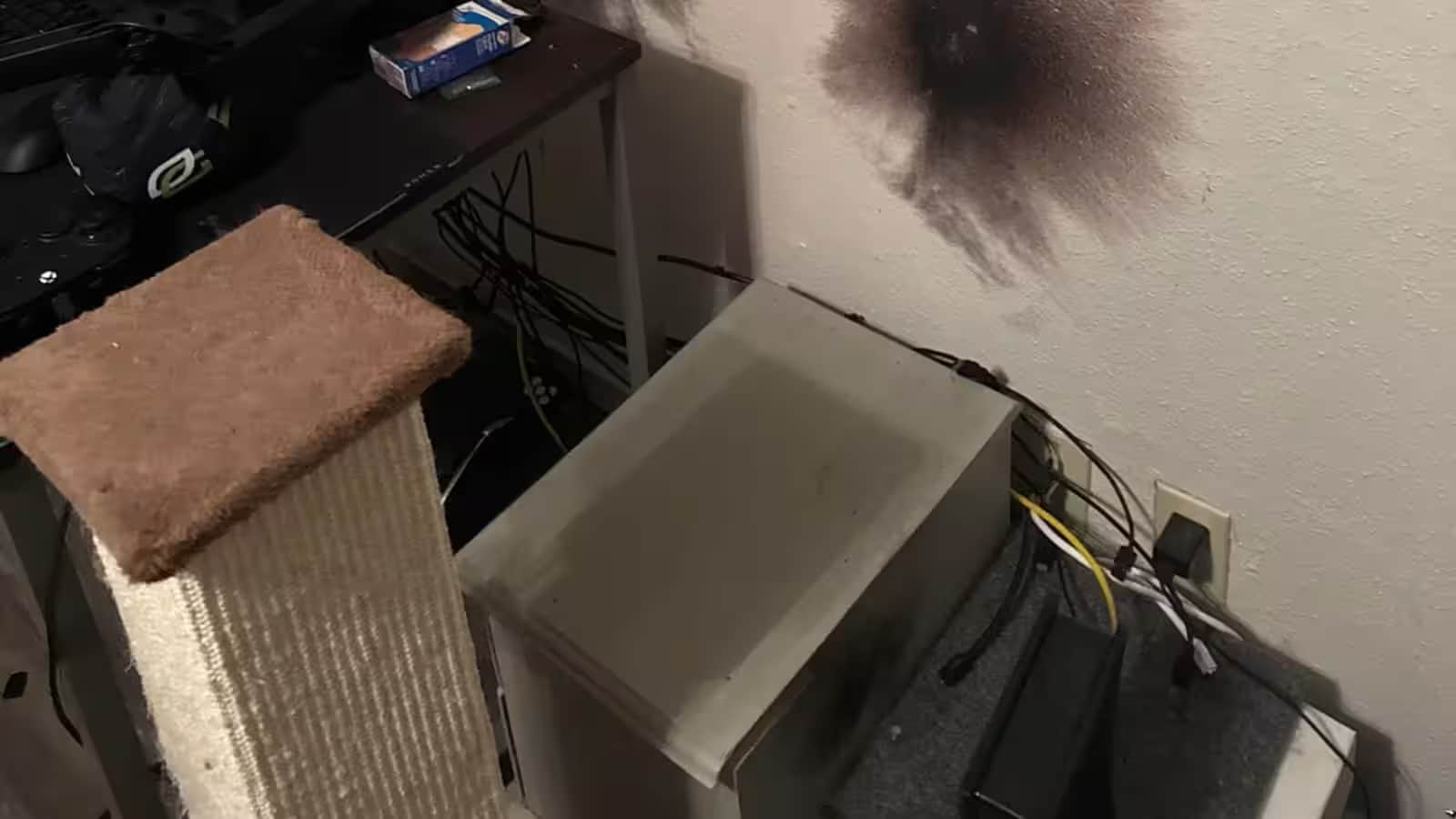
Image: ixbt.com
A Reddit user says a lightning strike traveled through a provider’s coaxial line, blew up a home router, and burned a motherboard through the Ethernet port, turning an ordinary home network into a very expensive conductor. The damage stopped short of the rest of the PC, which is almost impressive in the worst possible way.
The reported path is the part that makes the story sting: from the cable line into an apartment building, then through the router, the Ethernet cable, and finally the computer’s network port. That kind of failure is exactly why consumer surge protection often looks comforting right up until physics shows up with a baseball bat.
How the lightning surge moved through the home network
According to the account, the router was completely destroyed and could not be recovered. The wall nearby and the outer section of coaxial cable also showed heavy burn marks, while the motherboard had a scorched area around the Ethernet connector. The rest of the machine survived, which suggests the blast found a very specific path to ground and then stopped caring.

Recommended reading
Canon may launch three EOS R cameras in 2026
That is the ugly reality of wired broadband gear: the cable plant can bring trouble into the home as easily as it brings internet access. Modern Ethernet ports usually include basic overvoltage protection, but those safeguards are built for small bumps, not a direct lightning event racing through provider infrastructure.
What was damaged and what survived
- Router: destroyed beyond repair
- Coaxial cable and nearby wall: visible burn marks
- PC motherboard: damage around the Ethernet port
- Other PC components: reported intact
The obvious question is whether this could have been avoided. Maybe, but not with the kind of protection most people casually assume is enough. Whole-home surge protection, proper grounding, and physically disconnecting network gear during severe storms are the boring answers, which is usually how the expensive answers are born.
The legal aftershock
The user said they cannot restore the computer at the moment and is considering legal action. That part may end up being more complicated than the electronics, especially if the damage trail runs through service-provider infrastructure rather than a simple household power spike.
If anything comes of the case, it will probably be a reminder that home networking still has one foot in the 20th century: a fragile chain of plastic boxes, copper, and assumptions. Lightning does not care how neatly you arranged the cables.
Computing Editor
Tomas lives in the terminal. He covers chips, laptops, and operating systems with a focus on performance and efficiency. He reads kernel changelogs the way other people read fiction, and he's always on the hunt for the perfect mechanical keyboard switch. If it processes data, Tomas has an opinion on it.
via ixbt.com