• 2 min de lectura
Samsung to hike DRAM prices by 20% in Q3 2026 amid AI demand surge
Samsung tiene previsto aumentar los precios de sus memorias DRAM en torno al 20% en el tercer trimestre de 2026, según advertencias tempranas enviadas a clientes selectos. Este aumento de precios sigu
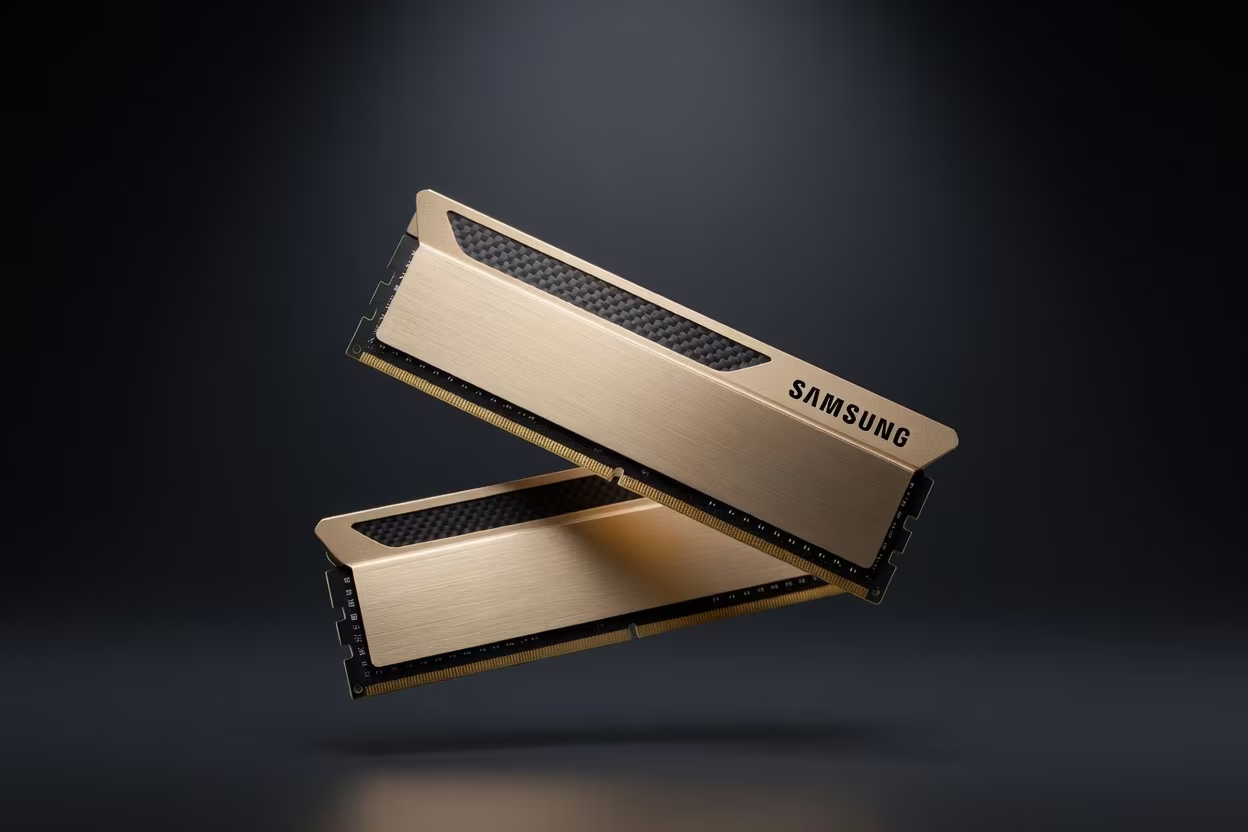
Imagen: ixbt.com
Samsung is set to raise its DRAM memory prices by around 20% in the third quarter of 2026, according to early warnings sent to select clients. This price hike follows a persistent upward trend fueled by booming demand from AI servers and data centers, pushing memory costs higher across devices-from laptops to smartphones.
Samsung DRAM price trends for Q3 2026
Industry insiders report that Samsung’s average DRAM prices jumped over 90% in Q1 2026, followed by an additional 50% increase in Q2. Now, analysts at TrendForce forecast contract prices across the DRAM market to climb another 13-18% in Q3. NAND flash memory is expected to rise 10-15%, with some Samsung LPDDR5X chips potentially spiking by nearly 20%.
The driving force behind the surge is a steady shift of manufacturing capacity toward AI infrastructure segments. Servers used for training and running large AI models consume increasingly expensive memory types, including HBM and advanced DRAM chips. This demand reduces supply for consumer devices, especially as server components offer much higher profit margins.
For consumers, this spells steeper prices for devices packed with large amounts of RAM, such as gaming laptops, premium ultrabooks, and flagship smartphones. Electronics makers are already passing these costs down the chain. Apple has openly cited rising component costs as a reason for price hikes on some models, and similar justifications are expected to become more common in the coming months.
Samsung, SK hynix, and Micron dominate nearly the entire global DRAM market, so pricing moves by one major player quickly ripple through the entire supply chain. Research firms like Counterpoint and TrendForce have repeatedly noted that memory remains one of the most volatile cost components in electronics manufacturing. If AI demand from data centers doesn’t cool off by year’s end, 16GB of RAM in mainstream laptops could shift from standard to premium upgrade territory.

Recomendado
El laboratorio de Mira Murati presenta Inkling, un modelo abierto de 975 000 millones de p
As the AI boom reshapes hardware costs, watching DRAM pricing closely will be important for both manufacturers and consumers anticipating their next purchase, especially as memory expenses become a growing factor in device affordability.

AI Editor
Ava covers the rapidly evolving world of artificial intelligence, from foundational models and research labs to the real-world economics of intelligence. With a background in computational linguistics, she cuts through the hype to find out what actually works. She firmly believes that benchmarks are just marketing until reproduced in the wild.
vía ixbt.com