• 2 min de lectura
Moscow wants delivery robots riding elevators next
Moscow says delivery robots could eventually call elevators and bring packages to apartment doors, if residents approve and safety checks pass.
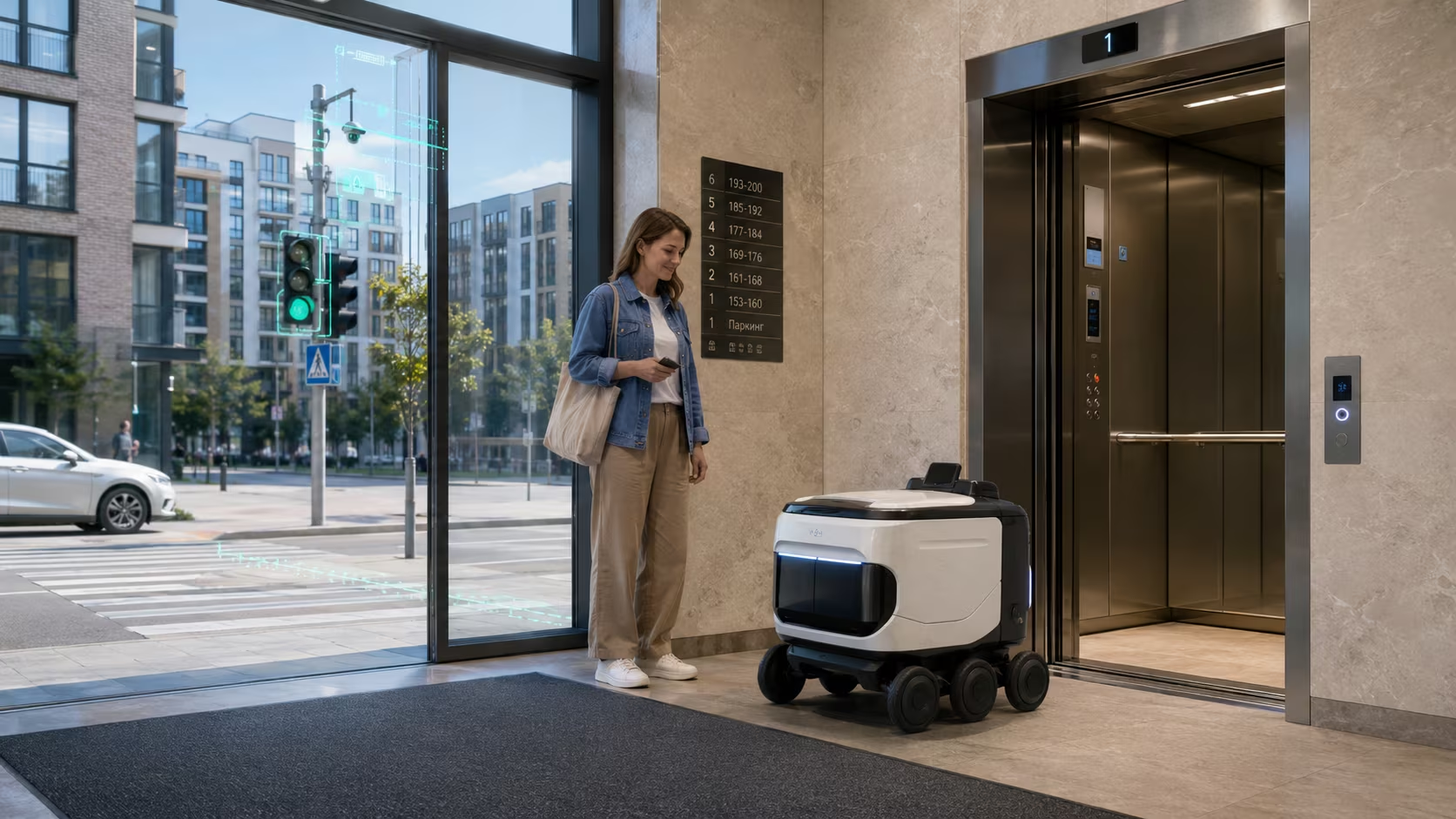
Imagen: ITzine
Moscow is considering the next step for delivery robots: moving beyond curbside or building-entrance drop-offs and taking parcels directly to apartment doors. According to Deputy Mayor Maxim Liksutov, the plan would eventually let rovers call elevators, enter the cabin, and travel to the right floor—but only if residents agree to that level of integration.
City officials say the same broader infrastructure link-up would also connect robots to traffic lights and other intelligent transport systems. At pedestrian crossings, Liksutov said, a robot could receive data on the current signal phase, see how much green light time remains, and adjust to a safer speed.
The harder part starts once the robot leaves the sidewalk. In a residential building, it has to deal with doors, buttons, narrow corridors, and people who are not going to adapt their movements to an algorithm. Moscow officials say that is why safety is the key condition: elevators will not be connected until the city and developers are convinced the rover creates no risk for residents.
The idea is ambitious, but not entirely new. The source notes that similar tests have already happened in China, where hotel and courier robots use elevators for in-building delivery. Starship Technologies also reported more than 8 million autonomous deliveries by 2025, though mostly on campuses and in areas with simpler infrastructure.
In Russia, the main barrier for rovers begins at the front door. They work far more easily in gated areas and office districts than in typical residential neighborhoods.
Recomendado
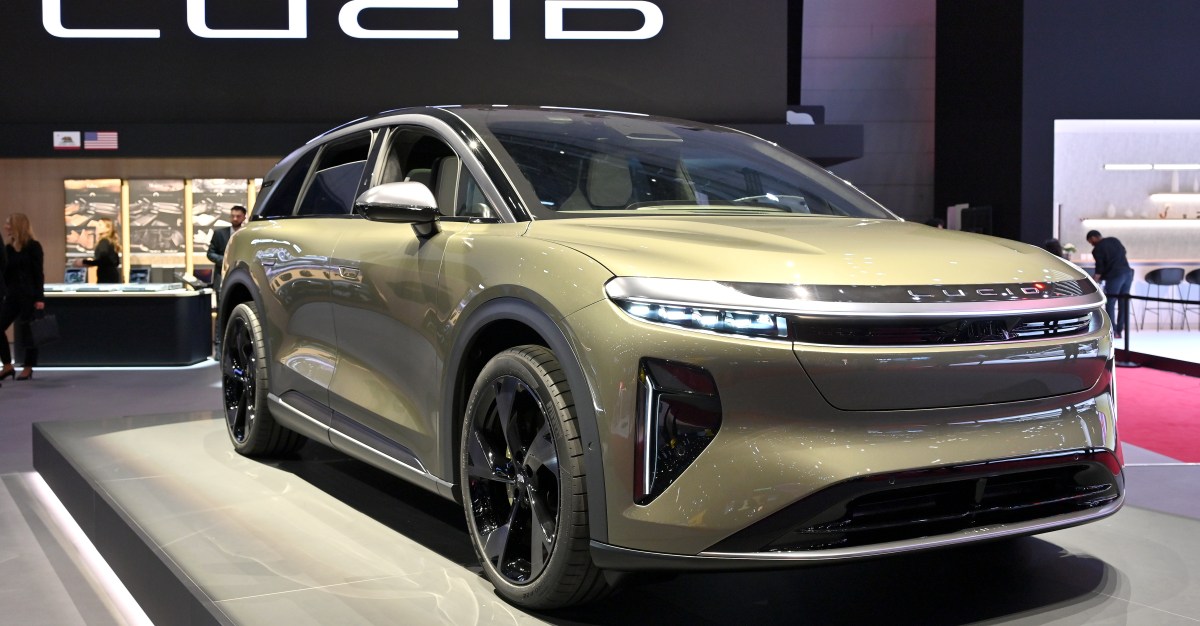
Un rumor de quiebra sobre Lucid sacude a todo el sector de vehículos eléctricos
At the same briefing, Liksutov said Moscow does not plan to ban electric scooters. About half of the devices in the city are rentals and the other half are privately owned, while roughly 150,000 people use scooters and other personal mobility devices every day. He also said nearly 900,000 Muscovites already use biometrics to enter the metro, MCD, and MCC, with face-payment now being tested on surface transport.
If elevator integration reaches a pilot stage, Moscow could become one of the first major cities to hand robots the final and most expensive leg of delivery: the last 100 meters up to the customer’s floor.

Frontier Editor
Dan is our resident futurist, covering electric mobility, space exploration, and the smart home. He's interested in atoms just as much as bits. Whether it's a new battery chemistry, a reusable rocket, or a protocol that finally makes IoT devices talk to each other, Dan breaks down the engineering that pushes humanity forward.
vía ITzine