• 2 min read
CXMT DDR5 prices are not undercutting Samsung after all
Chinese memory maker ChangXin Memory Technologies is not winning the DDR5 race by being cheap. According to module makers speaking at Computex Taipei, CXMT is charging roughly the same for its DRAM chips as Samsung Elect
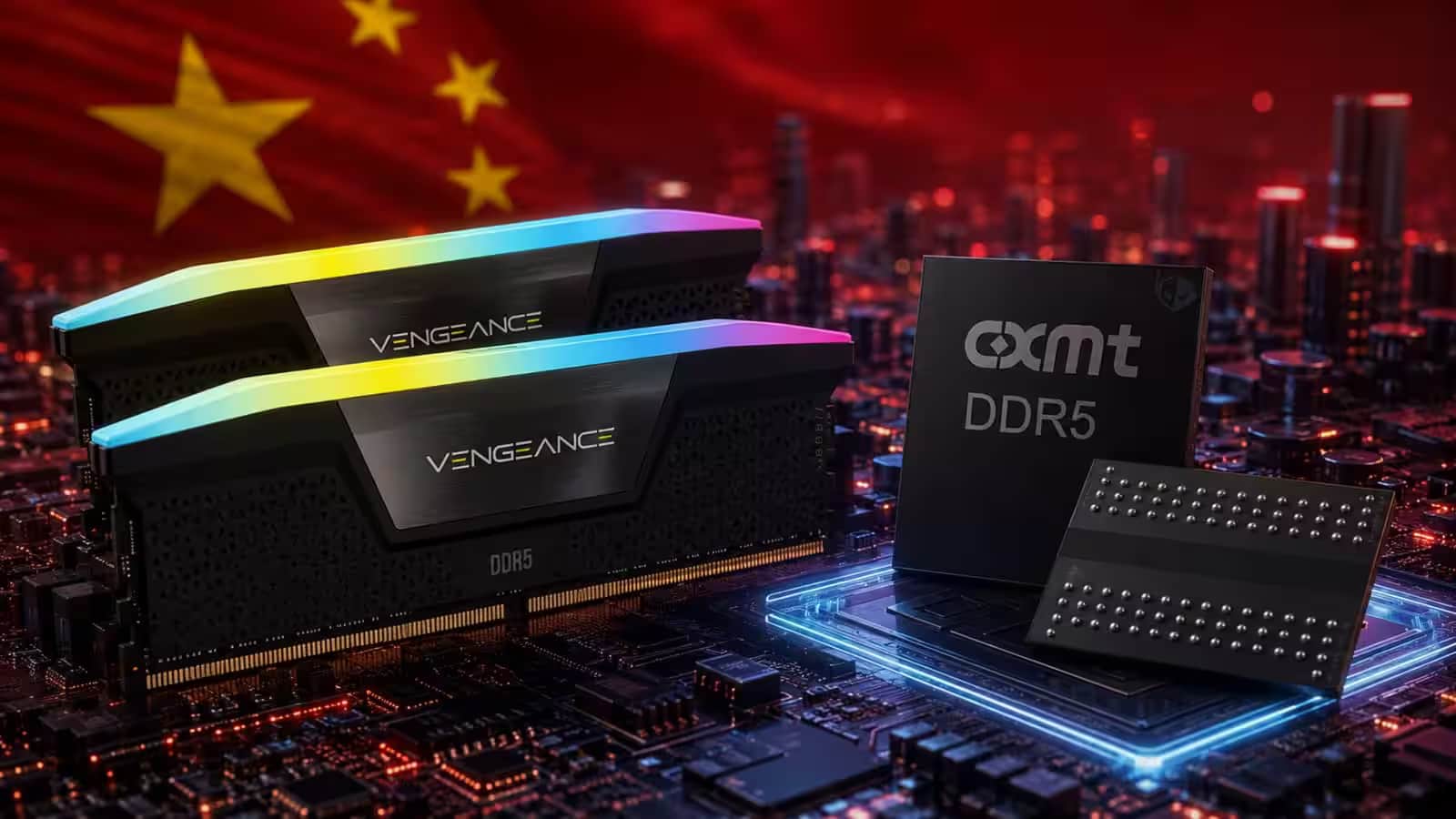
Chinese memory maker ChangXin Memory Technologies is not winning the DDR5 race by being cheap. According to module makers speaking at Computex Taipei, CXMT is charging roughly the same for its DRAM chips as Samsung Electronics, SK Hynix, and Micron Technology, while offering something scarcer than a discount: available supply.
That makes CXMT DDR5 a very different pitch from the usual “China enters, prices collapse” script. In memory, capacity matters almost as much as cost, and when demand is hot enough, vendors that can actually ship volume gain leverage without needing to shave margins to the bone.
CXMT’s real advantage is available DRAM
Module manufacturers say CXMT’s current strength is not a bargain-bin price tag but freer access to DRAM volumes, with fewer of the contract restrictions that often come with bigger suppliers. For buyers trying to secure production during periodic shortages, that flexibility can matter more than a small difference in chip pricing.
The company is also sticking to the mainstream of the market rather than trying to leap straight into the most advanced memory formats. Its DDR5 chips are already appearing in budget and midrange modules, and the company has reached speeds of up to 8000 MT/s. It has also moved into RDIMM for servers, which is the kind of step that usually signals a supplier is trying to look less like a domestic niche player and more like a serious alternative source.
Where CXMT still trails Samsung, SK Hynix and Micron
There is still a gap, and it is not a small one. CXMT remains behind Samsung, SK Hynix, and Micron in more demanding categories such as CUDIMM, CQDIMM, MRDIMM, and CSODIMM. Those are the products that tend to define leadership in the higher-performance end of the market, and they are exactly where Chinese suppliers still have homework to do.

Recommended reading
560,000 AI apps hit Apple’s App Store in six months
- DDR5 chips in budget and midrange modules
- Speeds up to 8000 MT/s
- RDIMM support for servers
- Still behind in CUDIMM, CQDIMM, MRDIMM and CSODIMM
China-first rollout, then maybe export
Partners are still testing CXMT DDR5 chips inside their own modules, and the first wave of products is expected to focus mainly on the domestic Chinese market. That makes sense: it lets suppliers work through quality and compatibility issues closer to home before trying to win over more skeptical international customers.
But if CXMT keeps expanding output and the parts hold up in real shipping products, the story could shift quickly. A supplier that offers decent DDR5, flexible terms, and ample volume is not trying to win on glamour; it is trying to become indispensable. In memory, that is often enough to start changing who has the upper hand.
Computing Editor
Tomas lives in the terminal. He covers chips, laptops, and operating systems with a focus on performance and efficiency. He reads kernel changelogs the way other people read fiction, and he's always on the hunt for the perfect mechanical keyboard switch. If it processes data, Tomas has an opinion on it.