• 3 min read
Core i7-6700K hit 5.1 GHz to feed an RTX 3080
A six-year-old Intel Core i7-6700K was pushed to 5.1 GHz with 1.65 V in an attempt to stop it from bottlenecking a GeForce RTX 3080, and the result was exactly what you would expect from an old Skylake chip on an ice bat
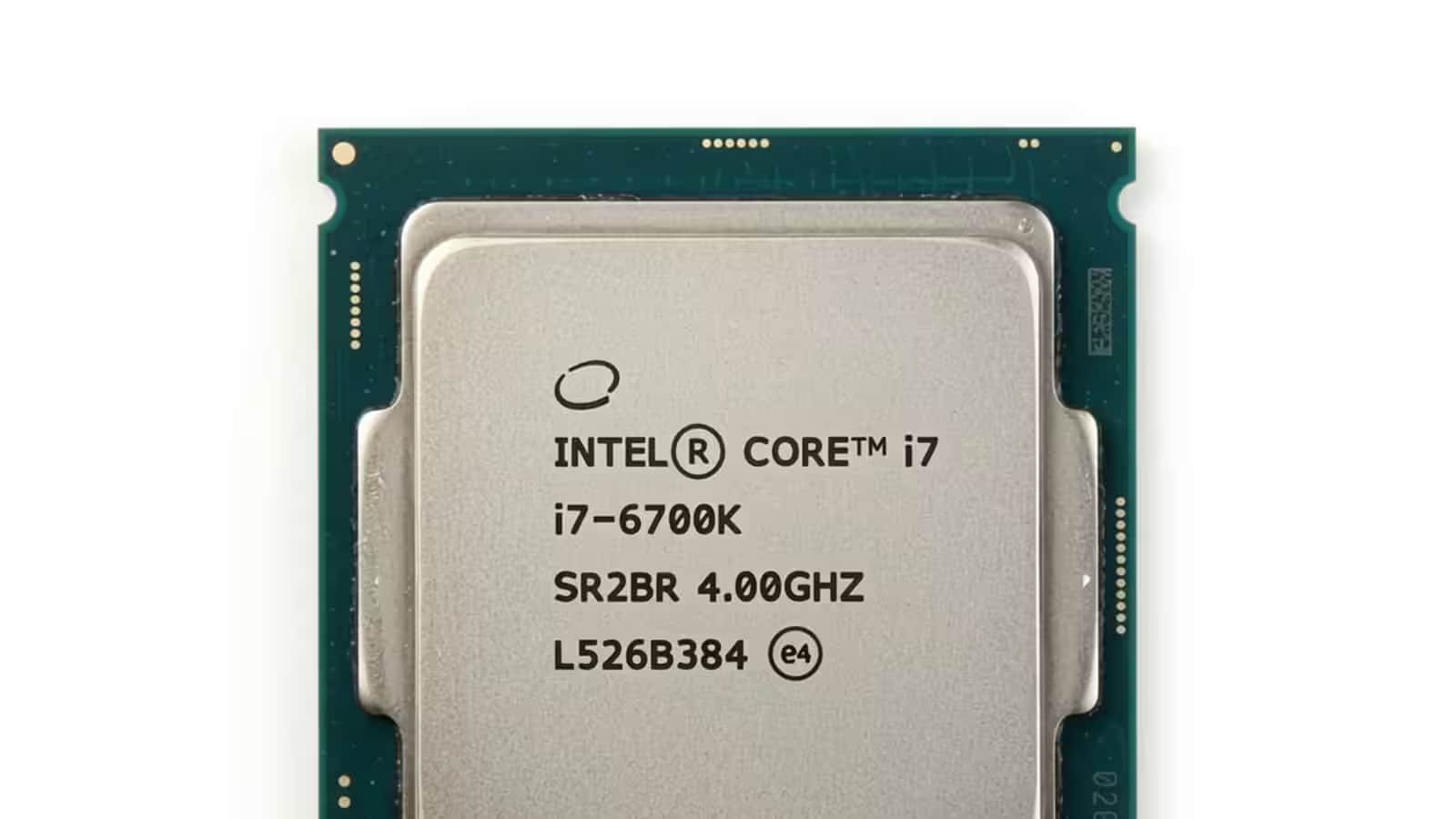
Image: ixbt.com
A six-year-old Intel Core i7-6700K was pushed to 5.1 GHz with 1.65 V in an attempt to stop it from bottlenecking a GeForce RTX 3080, and the result was exactly what you would expect from an old Skylake chip on an ice bath: some gains, then diminishing returns. In Cyberpunk 2077, the GPU was the hard part to wake up, but the overclock still lifted frame rates enough to show how much headroom was hiding behind the CPU.
The experiment also says something awkward about high-end graphics cards: throw a fast GPU at an aging four-core processor and you can spend a lot of time finding out the CPU is the leash. That has been true for years, whether the chip in question is an old Intel part or an AMD rival from the same era, and it is why extreme overclocking still has a small but loyal audience.
How far the Core i7-6700K overclock could go
The chip was tested in stages: 4.7 GHz at 1.4 V, then 5.0 GHz at 1.56 V, and finally 5.1 GHz at 1.65 V. Attempts to push it to 5.2-5.3 GHz at 1.7 V failed, which is a polite way of saying the processor had already filed its complaint.
To keep it alive at 5.0-5.1 GHz, the system used a custom liquid cooling setup with an ice bath. That is not a mainstream cooling strategy, but it is exactly the sort of thing you need when the goal is not comfort, but data.

Recommended reading
560,000 AI apps hit Apple’s App Store in six months
Cyberpunk 2077 showed the bottleneck first
At stock settings in Cyberpunk 2077, the RTX 3080 was used at only about 60%, while average performance sat around 103 FPS. Raising the CPU to 4.7 GHz lifted GPU load to almost 70% and improved frame rates by roughly 13%.
At 5.0 GHz, the graphics card was working harder still, with GPU usage reaching 74% and performance rising by about 17%. But the jump from 5.0 GHz to 5.1 GHz barely moved the needle, adding only around one frame per second. That is the point where the rest of the system starts shouting louder than the CPU.
Other games and Time Spy told the same story
The pattern repeated in Shadow of the Tomb Raider, Hitman 3, and Far Cry 6. A 4.7 GHz overclock delivered an average gain of about 7%, while 5.0 GHz brought the uplift to around 11%.
3DMark Time Spy was kinder to the overclock, with gains of roughly 19% and 24% at those same settings. The takeaway is pretty simple: a veteran four-core CPU can still be dragged into useful territory, but only up to the point where physics, voltage, and plain old silicon fatigue decide the argument.
What this says about old CPUs and new GPUs
For anyone still pairing a high-end card with an older desktop platform, the lesson is blunt. A heroic overclock can claw back performance, but it cannot turn a 2015 chip into something that magically scales forever with modern graphics hardware.
The more interesting question is how much longer enthusiasts will keep trying. If the test bench needs ice water and 1.65 V just to keep pace with an RTX 3080, the upgrade path may be less about squeezing the last frames out of Skylake and more about finally letting it retire.
Computing Editor
Tomas lives in the terminal. He covers chips, laptops, and operating systems with a focus on performance and efficiency. He reads kernel changelogs the way other people read fiction, and he's always on the hunt for the perfect mechanical keyboard switch. If it processes data, Tomas has an opinion on it.
via ixbt.com