

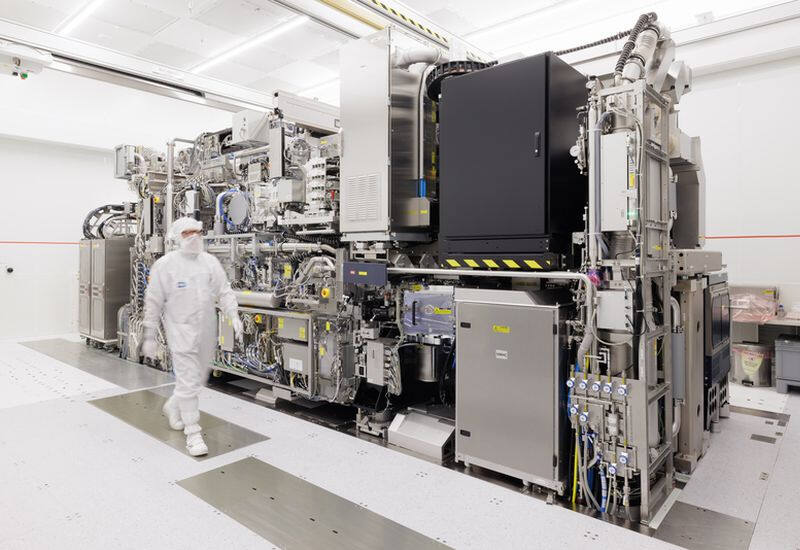
Samsung Electronics and SK hynix are giving chip equipment stocks a fresh boost as their big memory-chip expansion plans turn into a near-term demand story for suppliers. The spending is long-dated, but the equipment orders are not, and that gap is enough to send names like ASML, Applied Materials, and KLA Corp higher.
The scale of the plans is eye-catching. Combined, the two South Korean groups are talking about more than half a trillion dollars in memory production expansion, and investors quickly translated that into stronger demand for the tools that make chips possible. Analysts are already projecting that the chip-making equipment market could reach $250 billion a year by 2028, which helps explain why the trade has suddenly looked so crowded.
ASML, Applied Materials and KLA lead the move
ASML, the Dutch supplier of lithography scanners, climbed 6.8% to a fresh record. By mid-session in New York, shares of Applied Materials and KLA Corp were both up 5%. In the SOX semiconductor index, those three names posted the sharpest gains over the two-day stretch, which is a reminder that the market often prefers the picks-and-shovels trade over the miners themselves.
The reaction also fits a broader pattern in semiconductors: when memory makers talk about capacity, equipment vendors usually get paid first. That has been true through previous chip upcycles, and it is why traders tend to treat capital-spending guidance almost like earnings, even before a single wafer is produced.
SOX volatility is doing the talking
The rally comes after a wild stretch for the Philadelphia semiconductor index. SOX was up 100% in the first half of the year on AI optimism, then dropped a record 8% last week. That kind of whiplash leaves investors hungry for any concrete spending signal, and Samsung and SK hynix just handed them one.
- ASML: up 6.8% to a new record
- Applied Materials: up 5% by mid-session in New York
- KLA Corp: up 5% by mid-session in New York
ASML and TSMC will set the next tone
The next market checkpoint is the second-quarter reporting season. ASML and TSMC are due to report later this month, and both sit at the center of the same supply chain mood swing: ASML as the biggest supplier of lithography scanners, TSMC as the largest contract chipmaker. Their quarterly numbers will not just show what happened; they will tell investors whether this equipment rally has room to run or has already priced in too much optimism.
If those updates confirm that memory makers are still spending aggressively, the equipment names may keep outperforming. If not, the market may remember that a big plan on paper is not the same thing as cash hitting the order books.