

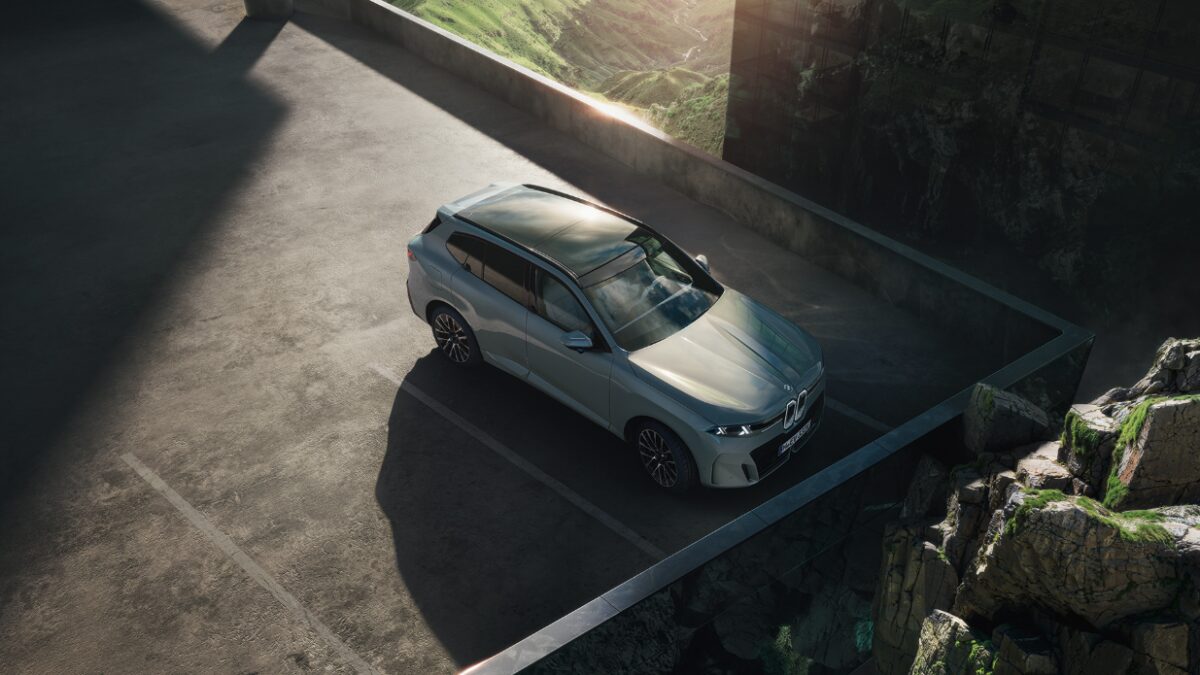
BMW has taken the new X5 in a direction most rivals only flirt with: one model line, five different powertrain paths, and a clear attempt to cover nearly every type of buyer without splitting the badge into separate families. The fifth-generation SUV arrives with petrol, diesel, plug-in hybrid, battery-electric, and hydrogen options, making the BMW X5 a multi-powertrain lineup rather than a single-technology gamble.
The headline act is the all-electric BMW iX5 60 xDrive, which uses an 800-volt architecture and new cylindrical battery cells. BMW says the provisional range is 645 to 845 kilometers WLTP, while its 460 kW charging rate can add 350 kilometers in 10 minutes. That puts the SUV squarely into the fast-charging race now dominated by premium EV rivals, with range as much of a selling point as horsepower.
BMW iX5 range, charging and performance
- BMW iX5 60 xDrive: up to 578 horsepower
- Provisional WLTP range: 645 to 845 kilometers
- Charging power: 460 kW
- Range added in 10 minutes: 350 kilometers
BMW is also keeping plug-in hybrids in play, which is sensible given how many luxury SUV buyers still want electric commuting without the charging habits that full EVs demand. The X5 50e xDrive produces 489 horsepower and offers up to 102 kilometers of electric-only range, while the X5 M60e xDrive steps up to 612 horsepower and up to 98 kilometers of electric range. For drivers who just want to fill up and go, the 48-volt mild-hybrid petrol and diesel models stay on sale with up to 400 horsepower.
Hydrogen stays in BMW’s plans
The range will later expand again with the BMW iX5 Hydrogen, which uses a fuel-cell system co-developed with Toyota. That partnership has been around long enough to feel less like a science project and more like a steady hedge against an EV market that still has gaps in charging access, especially for long-distance users. Hydrogen remains a niche, sure, but BMW clearly wants to keep a seat at that table in case infrastructure ever catches up.
Visually, the new X5 goes for a cleaner, more monolithic look, with a vertical kidney grille, ”double-X” lighting signatures, and flush high-gloss winglets built into the roof pillars. Inside, the cabin gets slate trim and BMW’s Panoramic iDrive system, which projects driving data across the base of the windshield alongside a 17.9-inch central display. That kind of cockpit theater is now table stakes in the premium SUV class, but BMW is leaning into it hard.
BMW X5 price and release timing
The plug-in hybrid X5 50e xDrive and the all-electric iX5 60 AWD are due to debut in early 2027. Pricing starts at £51,860 for the entry-level X5 40, rises to £57,470 for the X5 50e xDrive, and reaches £59,140 for the iX5 60 AWD. The interesting question is whether BMW can make this multi-energy strategy feel like strength rather than indecision, because the next wave of premium buyers will be watching range, charging speed, and real-world usability far more closely than badge politics.