• 4 min read
BYD Song Ultra DM-i launches with 1845 km range and low pricing
BYD has put a very blunt message into China’s plug-in hybrid market: long electric range does not have to mean luxury pricing. The new BYD Song Ultra DM-i arrives with up to 310 km on electricity, a claimed 1845 km total
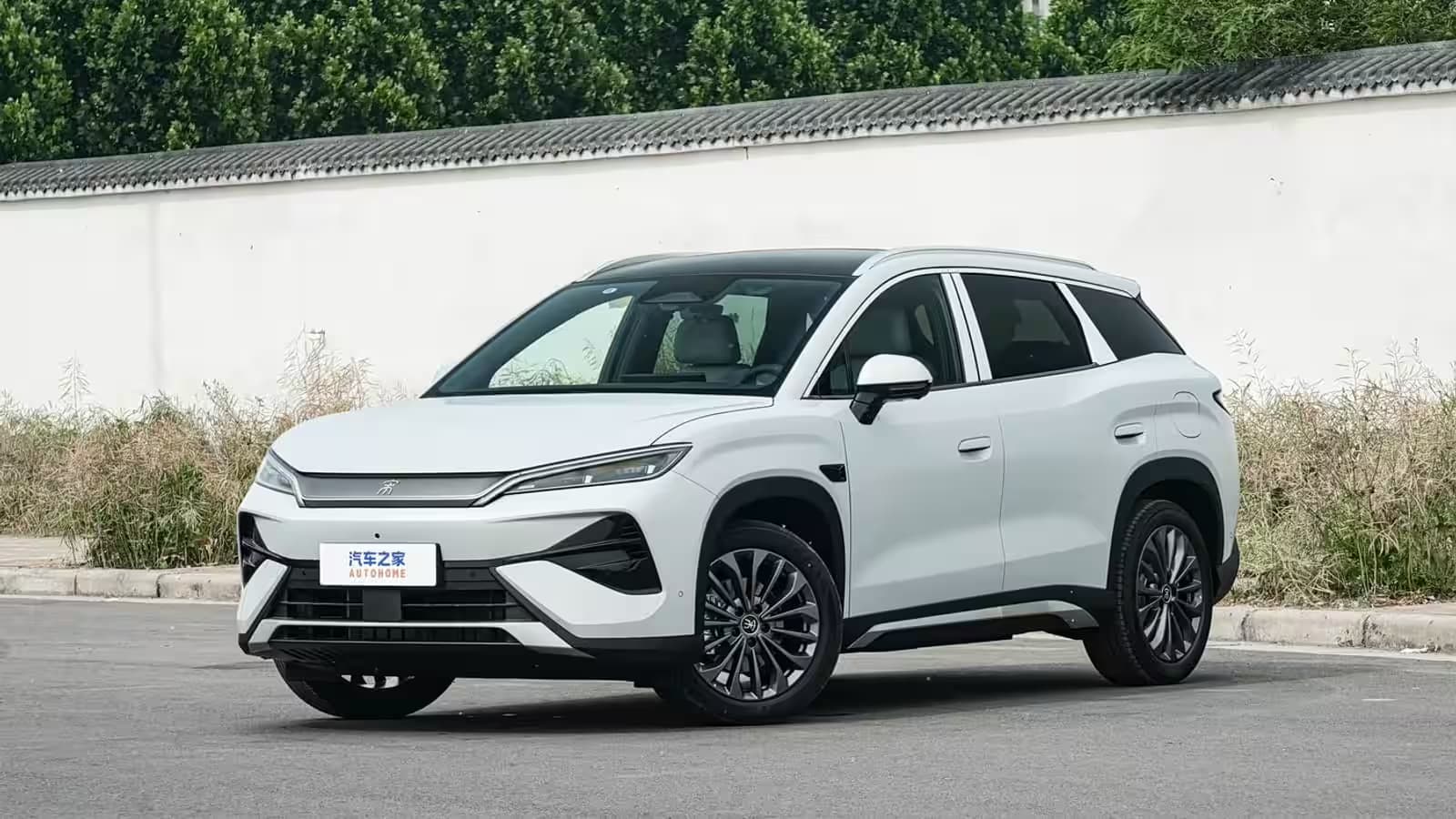
BYD has put a very blunt message into China’s plug-in hybrid market: long electric range does not have to mean luxury pricing. The new BYD Song Ultra DM-i arrives with up to 310 km on electricity, a claimed 1845 km total range, and a starting price of 129,900 yuan, which pushes a feature-rich family SUV into territory that used to belong to much simpler cars.
The range figure is the headline-grabber, but the bigger play is pricing. BYD is also taking the unusual step of offering a hybrid SUV with more than 300 km of electric range in the under-140,000-yuan bracket, a move that will make rivals in China’s crowded B-SUV class look expensive very quickly. The company has been doing this sort of pressure test to the market for years, and the Song Ultra DM-i is clearly meant to keep that momentum going.
Five trims, one aggressive price ladder
The BYD Song Ultra DM-i launches in five versions:
- 205 km Leading: 129,900 yuan
- 205 km Beyond: 139,900 yuan
- 310 km Leading: 139,900 yuan
- 310 km Beyond: 149,900 yuan
- 310 km Excellent: 159,900 yuan
That 310 km Leading version is the one to watch. BYD is effectively normalizing a long-range plug-in hybrid price point that would have looked ambitious even a year or two ago, and doing it while keeping the top trim under 160,000 yuan. Competitors selling similarly sized SUVs will have to answer with either more equipment or sharper pricing, because “almost enough” is not a convincing strategy anymore.
Recommended reading
Lucid bankruptcy rumor rattles the whole EV sector
A big B-SUV with lounge-trick rear seats
BYD Song Ultra DM-i sits in the B-SUV segment by Chinese standards, but the dimensions are anything but compact: 4850 x 1910 x 1670 mm, with a 2840 mm wheelbase. The company says the cabin is tuned for rear-seat comfort, and it has added a “Queen Bed Mode” that lets the front and rear seats fold flat into a wide resting area. Yes, this is the sort of feature that sounds gimmicky until you realise how many Chinese buyers now treat their SUV like a weekend lounge on wheels.
Front passengers are not being ignored either. The premium seat includes massage, ventilation, heating, and an electric leg rest. The top version also gets the “Sky Sound” audio system with 16 speakers, while even the cheapest trim comes with 7 airbags, a panoramic roof with an electric sunshade, a powered tailgate, 19-inch alloy wheels, a 15.6-inch display, electric front seat adjustment, wireless phone charging, and a dashcam.
DM fifth-generation hardware and driver tech
Under the hood, the Song Ultra DM-i uses BYD’s fifth-generation DM hybrid system with a 1.5-liter petrol engine rated at 95 hp and an electric motor producing 238 hp. BYD says the SUV can travel 1845 km on a full tank, with fuel consumption of 3.3 l/100 km when the battery is charged. That’s the kind of number that plays well in a market where range anxiety is still a real sales objection, even if charging networks are improving fast.
There is also adaptive Yunchan-C suspension and a tire burst stabilization system called TBC, which is rare in this class. For driver assistance, buyers can order a more advanced setup with lidar and BYD’s “God’s Eye” B-level system. The car also debuts BYD’s new “Didi Shrimp” intelligent system in the Dynasty lineup, which behaves more like an AI agent than a basic voice assistant: it can greet the driver, suggest content, adapt the interface, and handle natural-language tasks such as booking tickets, finding restaurants, or launching films.
BYD’s new AI assistant could spread to older cars
The most interesting part may not be the biggest battery claim or the soft seats. BYD says the new AI system can also understand fuzzy requests, so users do not need exact song or movie titles to find what they want, and the company plans to bring the software to some existing electric models over the air. If that happens, BYD gets another advantage that rivals cannot copy with a sheet of paper and a price cut: a software layer that keeps the car feeling newer after the showroom visit.
The open question is how quickly rival Chinese brands can respond without gutting their margins. BYD has spent the past few years proving that it can compress more equipment, more electric range, and more software into lower price bands than many competitors expected, and the Song Ultra DM-i looks like another reminder that the company is still setting the pace.

Frontier Editor
Dan is our resident futurist, covering electric mobility, space exploration, and the smart home. He's interested in atoms just as much as bits. Whether it's a new battery chemistry, a reusable rocket, or a protocol that finally makes IoT devices talk to each other, Dan breaks down the engineering that pushes humanity forward.