• 3 min read
BYD Han sedan targets 775 hp and all-wheel drive in new flagship model
BYD is gearing up to launch a new flagship sedan under its Dynasty line, likely to be named the Han. Official filings with China’s Ministry of Industry and Information Technology reveal key specs and images for the model
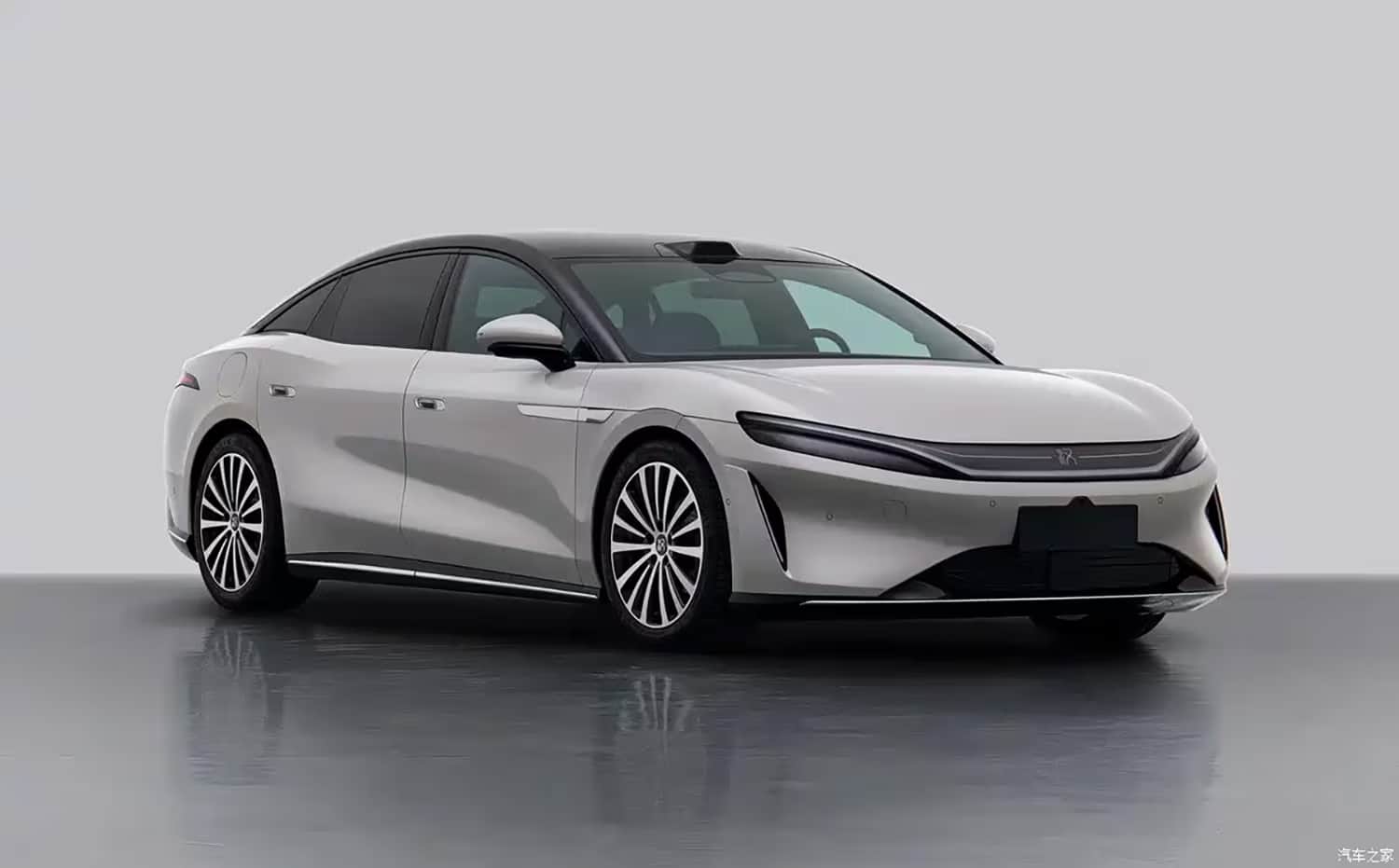
Image: ixbt.com
BYD is gearing up to launch a new flagship sedan under its Dynasty line, likely to be named the Han. Official filings with China’s Ministry of Industry and Information Technology reveal key specs and images for the model, offered in both plug-in hybrid and fully electric versions. This move marks BYD’s push further into the luxury electric and hybrid sedan segment.
With a length of 5,256 mm and nearly 2 meters wide (1,999 mm), the new Han is larger than current Mercedes-Benz S-Class, BMW 7 Series, and Audi A8 models. Its 3,130 mm wheelbase makes it a true flagship-sized vehicle. While its dimensions surpass these German rivals, exact comparisons will hinge on feature sets and regional offerings.
The design sticks closely to BYD’s current styling language. Up front, it sports a thin light strip spanning the width of the car, an active grille, and large air intakes. The rear carries BYD’s signature with a continuous light bar connecting the taillights. Buyers can expect two-tone paint options, 20-inch wheels on base trims, and 21-inch rims on select electric variants.
BYD Han sedan powertrain options and specs
The plug-in hybrid variant pairs a 1.5-liter turbocharged gasoline engine producing 115 kW (156 hp) with a 200 kW (272 hp) electric motor. Its 54.5 kWh traction battery offers a generous electric-only range of up to 370 km (WLTC), unusually high for plug-in hybrids and edging closer to full electric capabilities.
- Hybrid: 1.5L turbocharged engine + 200 kW electric motor
- Battery capacity (PHEV): 54.5 kWh
- Rear-wheel drive electric: single 370 kW motor (503 hp)
- All-wheel drive electric: dual motors totaling 570 kW (775 hp)
- Electric range (EV): up to 800 km and 1,008 km in WLTC cycle
The fully electric versions are available with either rear-wheel drive, using one 370 kW motor, or all-wheel drive combining a 200 kW and 370 kW motor for a total of 570 kW (775 hp). This puts the Han sedan in competition not only with traditional German luxury sedans but also powerful EVs like the Xiaomi SU7 Max and top-tier Nio ET9 models.
Recommended reading
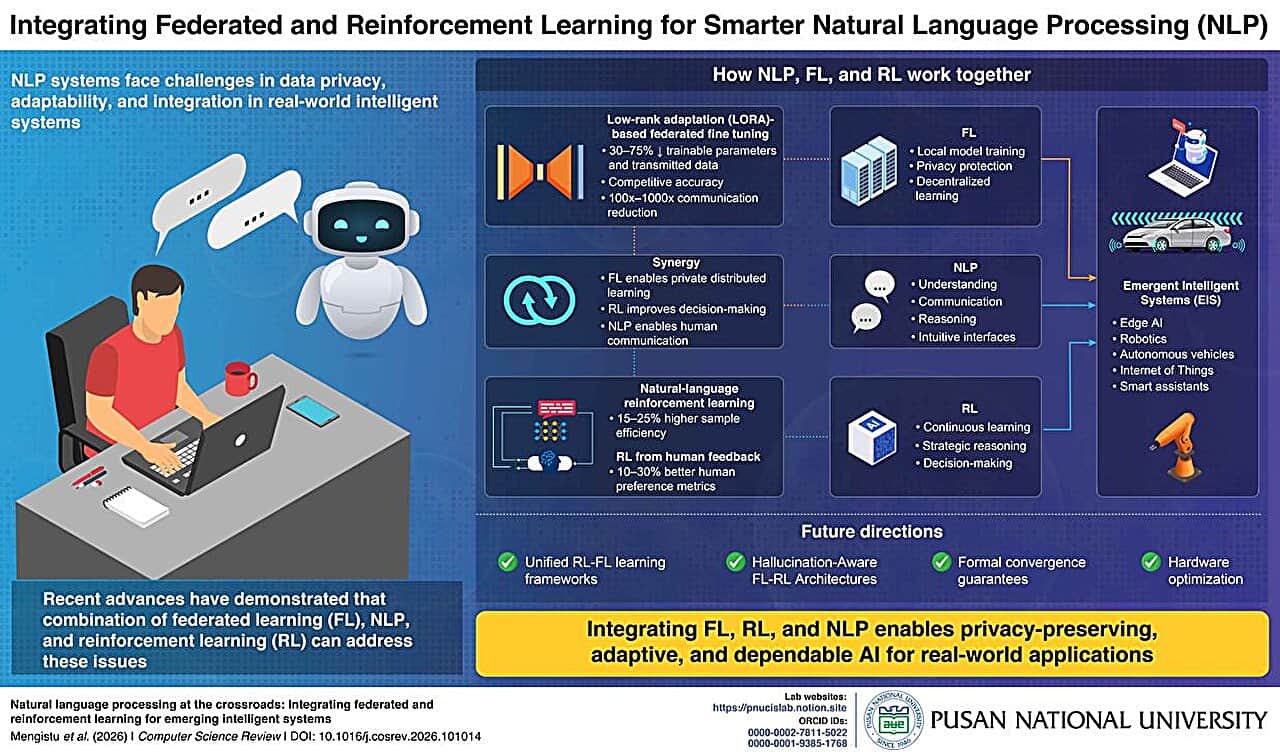
Federated learning could reshape private language models
BYD’s aggressive step into luxury and performance electronics is part of a broader strategy. The Chinese automaker sold over 4 million vehicles globally in 2025 and has dominated China’s NEV (new energy vehicle) segment for years, which includes both electrics and hybrids. Its premium lineup already features models like the Yangwang U7 SUV and Denza Z9 GT sedan, making the new Dynasty sedan its attempt to bridge mainstream and high-end markets.
In China, the current BYD Han is considerably more affordable than F-segment German sedans. If the new model maintains this price gap, it could offer a compelling value proposition domestically. The official debut is expected in the coming months, when pricing and trim details will be revealed. The big unknown is whether BYD can replicate its domestic success overseas with such a large electric sedan-an answer likely to emerge by the end of 2026.
AI Editor
Ava covers the rapidly evolving world of artificial intelligence, from foundational models and research labs to the real-world economics of intelligence. With a background in computational linguistics, she cuts through the hype to find out what actually works. She firmly believes that benchmarks are just marketing until reproduced in the wild.
via ixbt.com