• 3 min read
BYD’s 5-minute charging push reaches more popular EVs
BYD is moving its ultra-fast charging system beyond a few halo models and into the cars that actually sell, which is the part that should make global rivals sweat. The Chinese automaker says several of its best-known EVs
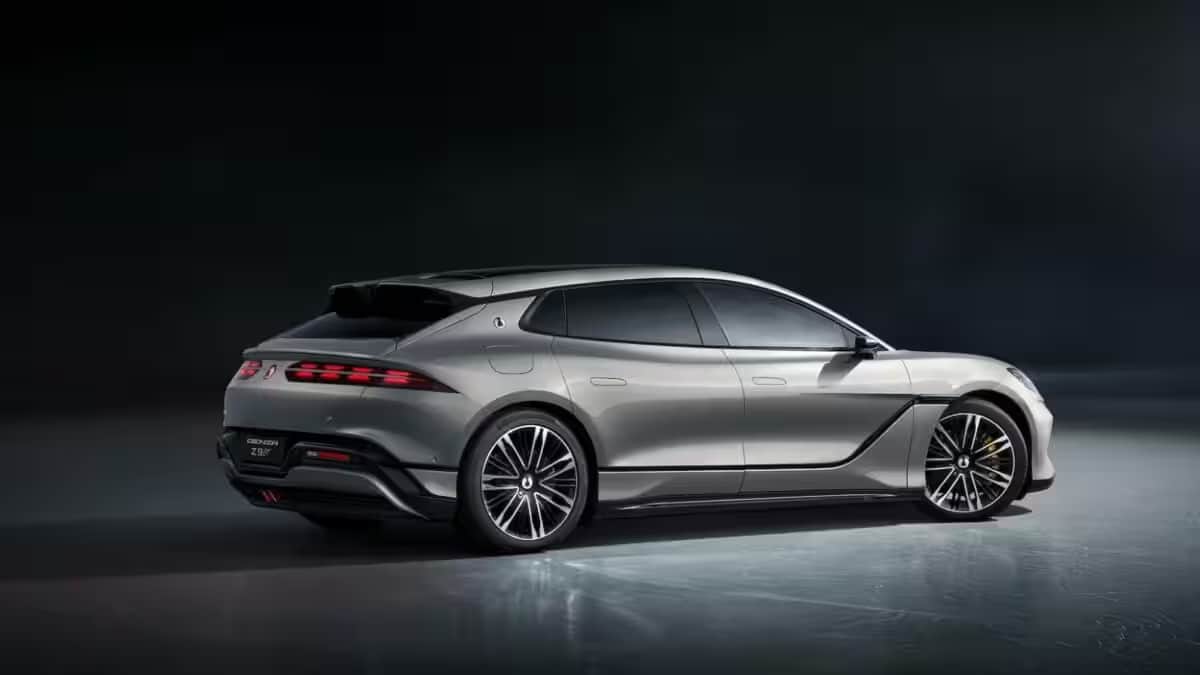
Image: Gizmodo
BYD is moving its ultra-fast charging system beyond a few halo models and into the cars that actually sell, which is the part that should make global rivals sweat. The Chinese automaker says several of its best-known EVs are getting the Blade Battery 2.0 Flash Charging system, a setup that can take a battery from 10% to 70% in five minutes and from 10% to 97% in about nine.
The BYD 5-minute charging push is fast enough to make a coffee break feel luxurious. It also matters because charging speed has become one of the clearest battlegrounds in the EV race, and Chinese brands keep setting the pace while many Western manufacturers are still trying to make range anxiety less annoying.
Which BYD EVs get the new charging system
The system was first confirmed for BYD’s ultra-luxury Yangwang U7, but the company has also said the Denza Z9 GT will be the first overseas model to use it. BYD says that car can travel up to 1,036 km on a single charge under China’s CLTC testing standard, and it has already gone on sale in Europe.
Electrek also reports that the Yuan Plus, sold outside China as the Atto 3, is getting the tech. That matters more than the headline-grabbing limo stuff, because mainstream volume models are what turn charging claims into market pressure.
- 10% to 70% in five minutes
- 10% to 97% in about nine minutes
- Around 12 minutes at temperatures as low as -30 degrees Celsius
Why BYD is using the Denza Z9 GT first
BYD is treating the Denza Z9 GT as a global proof point, and the company has not been shy about the marketing. Executive Vice President Stella Li called it the perfect model to introduce the company’s “Ready in 5, Full in 9, Cold Add 3” pitch to Europe. If you want a flashy demo car, a long-range grand tourer is a pretty convenient one.
Recommended reading
Graphite One advances Ohio battery-materials plant
There is also a broader pattern here. Chinese EV makers have spent the past few years compressing battery, charging, and software advantages into products that arrive faster than many legacy rivals can refresh their lineups. That leaves U.S. automakers in the awkward position of either catching up on hardware or trying to explain why convenience does not count as innovation.
The U.S. response is getting louder
The timing is awkward for Detroit. President Donald Trump canceled federal EV subsidies, and several carmakers have been rethinking their U.S. EV plans. At the same time, Ford CEO Jim Farley has been warning that Chinese EVs could hit the domestic manufacturing base hard if they are allowed in at scale.
For now, the U.S. has kept Chinese EVs mostly out with 100% tariffs, while Canada’s new strategic partnership with China could open a side door for up to 49,000 Chinese-made EVs. That makes the border less of a line and more of a negotiation, which is exactly the kind of problem that tends to show up when technology moves faster than trade policy.
What comes after 5-minute charging
BYD’s next test is not whether it can build the hardware. It is whether it can scale these charging times across more cars, more markets, and more weather conditions without the numbers getting fuzzy. If it does, rivals will need more than bigger batteries and prettier dashboards to answer it.

Frontier Editor
Dan is our resident futurist, covering electric mobility, space exploration, and the smart home. He's interested in atoms just as much as bits. Whether it's a new battery chemistry, a reusable rocket, or a protocol that finally makes IoT devices talk to each other, Dan breaks down the engineering that pushes humanity forward.
via Gizmodo