• 3 min read
Base Power raises $1 billion for home battery expansion
Base Power raises $1 billion at a $13 billion valuation, expands to 500 MWh of batteries and launches its 39.2 kWh Base Core system.
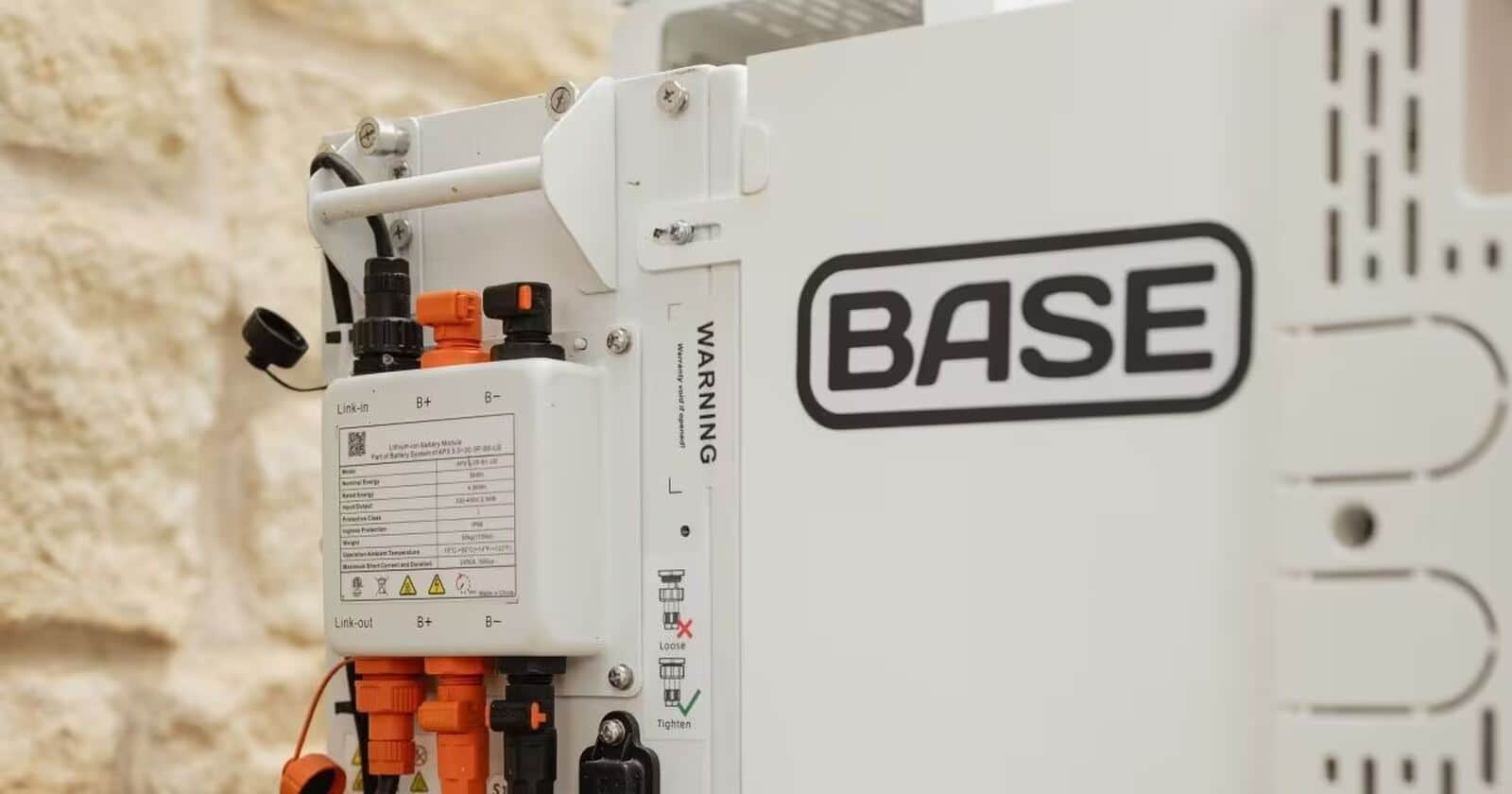
Image: ITzine
Base Power has raised $1 billion in a new funding round, lifting the US startup’s valuation to $13 billion as it expands a network of customer-installed batteries that can support overloaded power grids.
The company says it has deployed more than 500 MWh of storage and is currently installing about 100 batteries per day. It plans to double that pace by the end of the year, although that company claim could not be independently verified in public filings or regulatory documents.
Base Core turns home batteries into grid capacity
Base Power also introduced Base Core, a 39.2 kWh home battery manufactured at the company’s factory in Austin, Texas. That capacity is larger than many competing residential systems, but Base does not sell Core as a standalone product with a published MSRP.

Recommended reading
Apple asks court to block OpenAI over alleged trade secrets
Instead, the company owns the equipment and sells an energy-and-backup service. When electricity demand rises, Base can draw on the batteries installed at customers' homes and send stored power back to the grid. The model gives utilities distributed storage close to where electricity is consumed, rather than relying only on large centralized facilities.
Base’s US operations currently cover multiple Texas utility territories, including Austin Energy, CoServ in Denton, CenterPoint in the Houston area and Oncor. The company is also registered and active in Illinois, according to its public service and pricing pages. No public evidence of Base Power service or Base Core sales in the European Union was found, and Base has not published an EU rollout timeline or EU pricing.
Subscription pricing, not a battery purchase
ITzine reported Houston pricing of $695 for installation, followed by $19 per month and 13.1 cents per kWh. Base’s public Texas pricing varies by utility and ZIP code: other examples show installation fees of $695 for a single-battery plan or $995 for some two-battery plans, membership fees of $19 or $29 per month, and all-in energy rates of roughly 13.4 to 14.3 cents per kWh.
That structure avoids the large upfront purchase associated with conventional home storage, but it also means customers do not own the battery. For comparison, installed Tesla Powerwall 3 systems are commonly estimated at about $10,500–$14,000 in the US. Enphase Encharge and IQ Battery installations often appear in third-party quotes ranging from $12,000 to $32,000, depending on capacity and whether solar is included.
In Europe, the comparison is less practical: published installed totals for a Tesla Powerwall 3 in Germany are around €9,700–€11,200, while typical sonnenBatterie systems are reported at roughly €15,000–€25,000. Base has not announced a European offering.
The new capital arrived less than a year after Base’s previous $1 billion raise. Its valuation now depends on scaling a capital-intensive installation operation while turning thousands of private batteries into a reliable grid resource. The subscription model is materially different from selling a battery, but the company’s next test is whether its claimed installation growth can match the $13 billion valuation.
Enterprise Editor
Marcus follows the money. He covers enterprise software, cloud architecture, and the tectonic shifts in Big Tech strategy. He translates dense earnings calls and complex M&A activity into actionable insights about where the industry is actually heading. If a tech giant makes a silent pivot, Marcus is usually the first to notice.
via ITzine