• 2 min read
Apple joins pushback on stricter clean energy rules
Apple has joined a 66-company coalition pushing back against proposed changes to the way corporate clean energy use is reported. The fight is over Scope 2 accounting, a dry-sounding corner of climate policy that decides
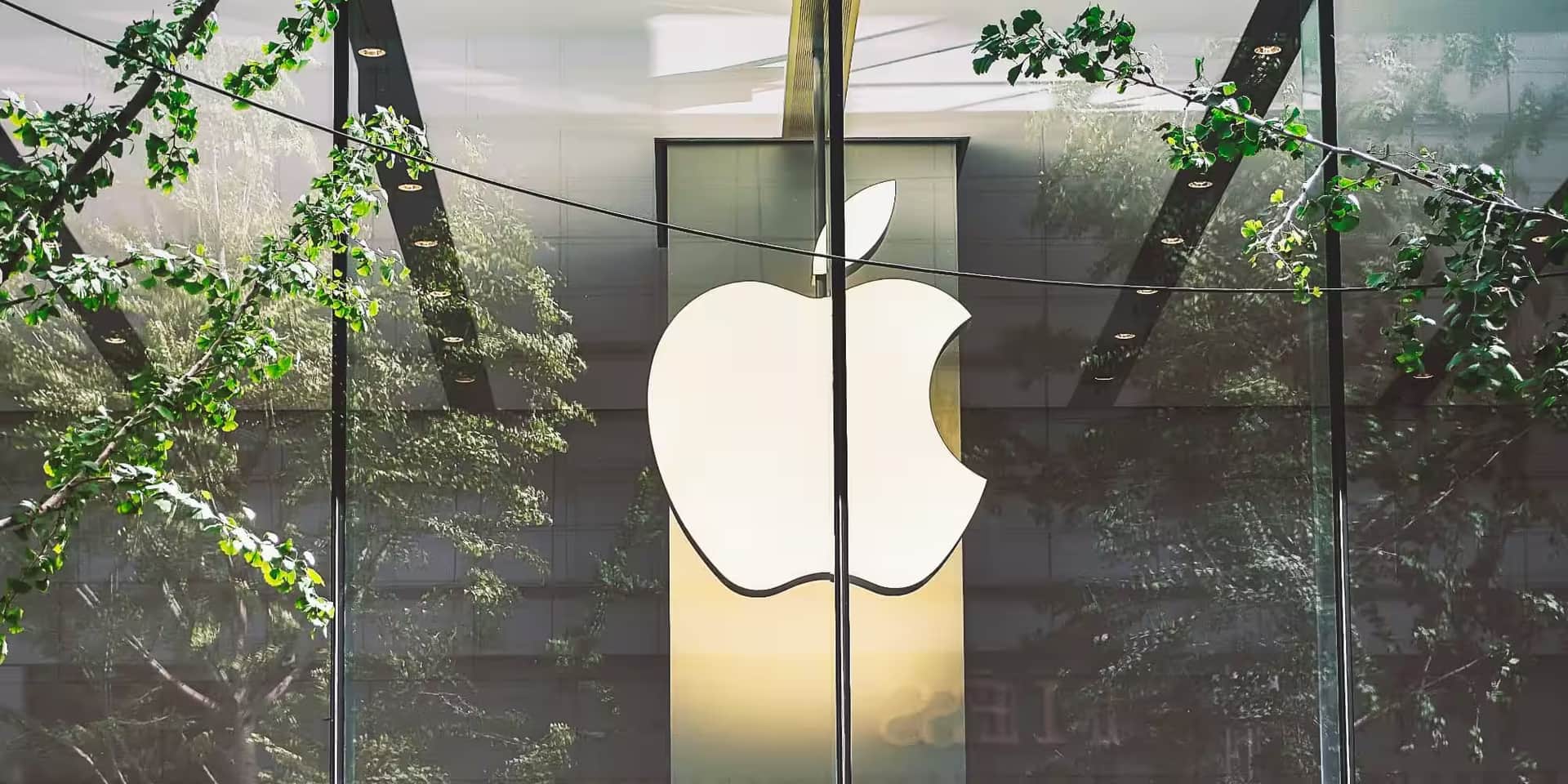
Apple has joined a 66-company coalition pushing back against proposed changes to the way corporate clean energy use is reported. The fight is over Scope 2 accounting, a dry-sounding corner of climate policy that decides how companies claim electricity consumption from renewables and whether those claims have to line up by the hour instead of across the year.
The group includes Amazon, BYD, eBay, Luxshare, and Salesforce, which tells you this is not a niche complaint from one company with a sensitive spreadsheet. The Greenhouse Gas Protocol, the widely used framework behind emissions reporting, wants cleaner matching rules to better reflect when and where power is actually consumed. The companies say that tightening the rules too fast could scare off participation in voluntary clean energy programs, which is a neat way of saying the cure might be worse than the disease.
What the proposed Scope 2 changes would do
Right now, companies can generally match electricity use with clean energy on an annual basis using renewable energy certificates. The proposed update would require hourly matching and demand that certificates come from deliverable grid regions, so the power is at least physically plausible as the source of that consumption.

Recommended reading
Crystalline rubrene pushes OLED current density 1,000× higher
That sounds stricter because it is stricter. Supporters of the revision argue it would make emissions claims more honest and less easy to game, especially for companies that want climate credit without having to align procurement with actual usage patterns.
Why Apple and others are objecting
The coalition wants the new rules to stay optional, not mandatory. Its argument is that forcing hourly, location-based matching could weaken the voluntary market that has helped finance clean power projects across much of the economy.
There is a familiar tension here: regulators want cleaner accounting, while companies want room to buy renewable credits in the cheapest, easiest way possible. Big tech has spent years selling itself as a climate leader, but when the paperwork becomes less forgiving, the enthusiasm often gets a little more selective.
The clean power fight is moving from ambition to bookkeeping
This debate is bigger than one protocol revision. Corporate climate claims have been under growing scrutiny for years, and the pressure is now shifting from broad pledges to the mechanics of proof. If the Greenhouse Gas Protocol hardens the rules, companies will have to buy cleaner power in ways that are more local, more granular, and probably more expensive.
That could create a split between firms that are willing to pay for credibility and those that prefer the flexibility of annual accounting. My bet: the eventual standard lands somewhere in the middle, because climate policy often does its best work after spending months arguing with itself.
Computing Editor
Tomas lives in the terminal. He covers chips, laptops, and operating systems with a focus on performance and efficiency. He reads kernel changelogs the way other people read fiction, and he's always on the hunt for the perfect mechanical keyboard switch. If it processes data, Tomas has an opinion on it.