• 3 min read
Why 'AI Is Just a Tool' Misses the Point
A widely shared essay argues that AI’s harms and effects can’t be reduced to how individuals use it, because tools also shape people, systems, and culture.
Image: Sam Yang, @samdoesarts.bsky.social
The claim that “AI is just a tool — it matters how you use it” sounds reasonable, but Frank Elavsky argues it collapses under scrutiny. In a blog post first published in 2025 and updated in 2026, he says the phrase ignores how tools are made, what systems they depend on, and how they reshape human behavior, policy, labor, and the environment.
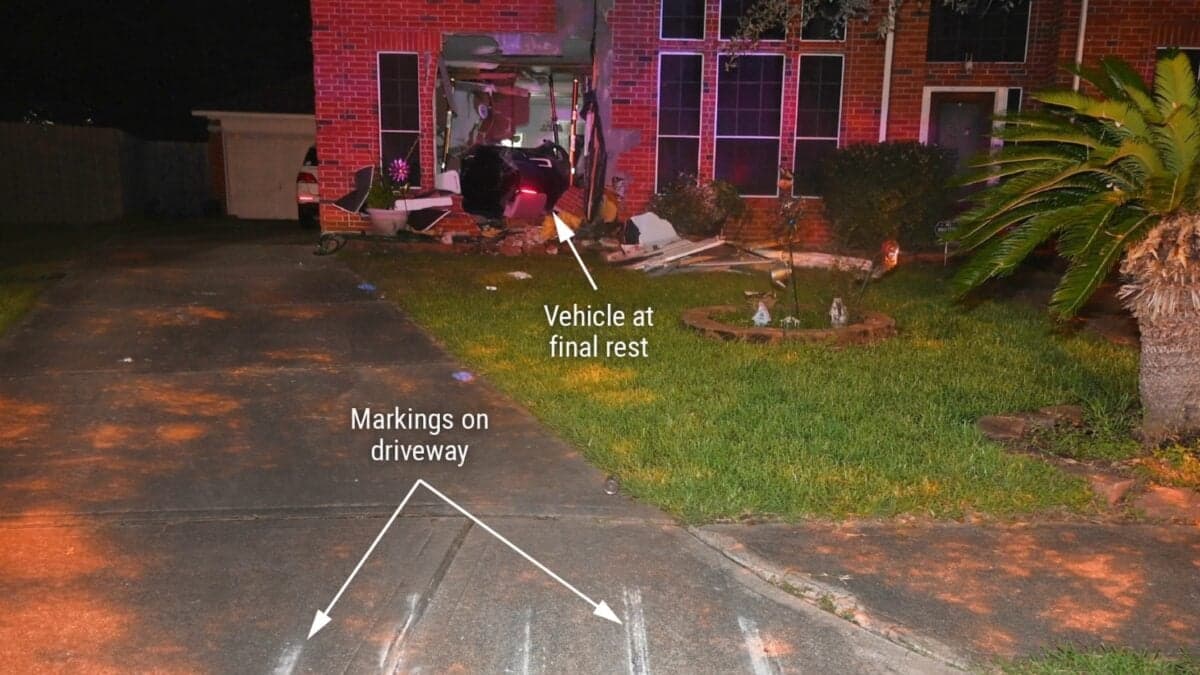
Elavsky’s core point is that tools are never merely neutral objects waiting for good or bad users. He uses the example of the car: even if individual driving choices matter, cars also changed city design, safety regulation, and the climate. In the same way, he argues, AI cannot be judged only at the level of personal use because its impacts are also systemic.
He extends that argument with a philosophical lens, invoking Heidegger’s “Gestell” (“en-framing”) — the idea that technologies shape who people become through their design and use. A tool does not just serve a purpose, in this view; it also nudges people toward certain ways of acting and thinking. Elavsky links that directly to modern generative AI, arguing that these systems push users toward dependence and away from critical thought, imagination, and meaningful effort.
The difference between drudgery and meaningful struggle
A major theme in the post is the distinction between removing pointless barriers and removing the kinds of struggle that give human activity meaning. Elavsky contrasts cutting a curb, which improves accessibility, with flattening a mountain, where the climb is the point.
He argues that AI is often sold as a way to erase all friction — from writing emails to making art to solving programming problems — but that this treats every form of difficulty as drudgery. In his view, that is a category error. Some struggle is oppressive; some is formative.

Recommended reading
NtechLab brings AI cameras to Russian universities
He compares today’s AI pitch to an opiate, describing it as a tool that promises relief from effort itself. That, he argues, risks dulling the very experiences that shape people as individuals and connect them to each other.
Environmental, economic, and existential harms
Elavsky says current transformer- and diffusion-based models are “largely bad to use, especially now, and in most all contexts.” He groups the problems into three areas:
- Environmental: AI systems consume fresh water and energy and, he writes, have accelerated climate change.
- Economic: he describes modern AI as built on “the largest heist in human history,” referring to scraped digital content and unresolved questions of credit, provenance, and compensation.
- Existential: he argues that these systems pressure people to hand over thought, expression, and judgment to optimization systems.
The post does not call for abandoning tools outright. Instead, it argues for policy, economic justice, and guardrails, and for redesigning technologies so they support human meaning rather than flatten it. Elavsky’s final demand is blunt: don’t use tools uncritically, and don’t let them shape humanity before humanity reshapes them.

AI Editor
Ava covers the rapidly evolving world of artificial intelligence, from foundational models and research labs to the real-world economics of intelligence. With a background in computational linguistics, she cuts through the hype to find out what actually works. She firmly believes that benchmarks are just marketing until reproduced in the wild.
via Hacker News