

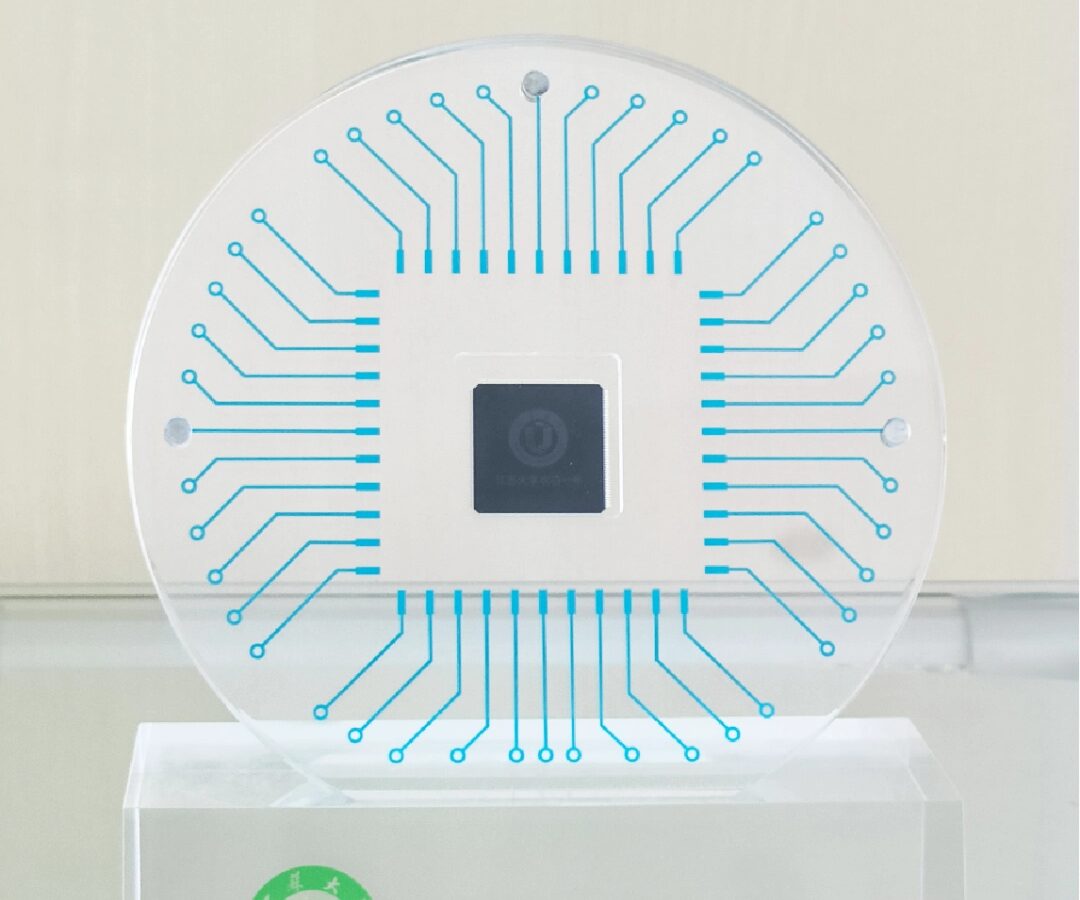
Loongson Technology has unveiled what it says is China’s first dedicated agricultural chip based on the Loongson architecture: Agricultural Chip No. 1. Built with Jiangsu University, the chip is designed for harsh farm environments rather than office desks, with resistance to high temperatures, corrosion, impact, and other mechanical stress.
That sounds like a niche spec sheet until you remember how often industrial and agricultural hardware fails for embarrassingly ordinary reasons: dust, moisture, vibration, and temperature swings. China has been pushing harder into domestically designed chips across sectors, and agriculture is an obvious place to reduce dependence on imported parts while also fixing the usual compatibility mess in smart-farming systems.
What Loongson’s Agricultural Chip No. 1 is meant to do
The chip is designed for farming, smart greenhouses, and intelligent agricultural machinery. Loongson says it is intended to address three headaches at once: reliance on imported chips, poor environmental adaptability, and interface incompatibility in smart agriculture.
In other words, this is less about raw performance bragging rights and more about survival. If a chip can keep working inside equipment that gets shaken, sprayed, baked, and generally abused, that is often more valuable than a flashy benchmark number nobody asked for.
The Loongson Hundred Chips Plan
The project sits within Loongson’s Hundred Chips Plan. The company says it gave Jiangsu University free access to core resources and provided technical support through design, manufacturing, packaging, and testing.
That kind of end-to-end backing matters because agricultural hardware is usually a systems problem, not a silicon problem. The chip has to fit into machines, sensors, and control systems that may already speak different electrical languages, which is where a lot of clever ideas quietly die.
Why rugged agricultural chips are getting attention
There is a wider industrial logic here. As smart farming expands, chip makers are finding that specialized, rugged components can be easier to defend than general-purpose products, especially when supply-chain independence is part of the brief. Expect more of these purpose-built parts, and more universities teaming up with domestic chip companies to make them.
The open question is whether Agricultural Chip No. 1 becomes a one-off showcase or the start of a broader product family. In a sector where reliability beats glamour every time, the boring chip may be the one that actually gets used.