

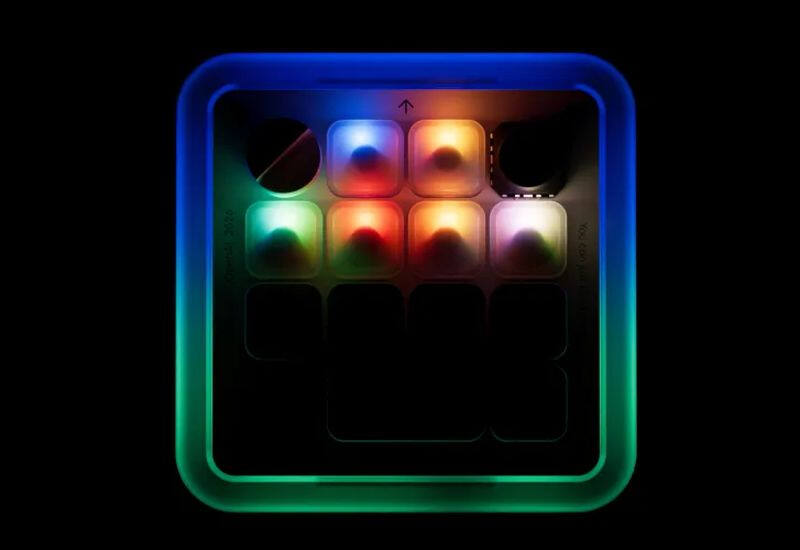
OpenAI has quietly shown off a new piece of AI hardware tied to Codex, the company’s coding model, and the timing points to a full reveal on 15 July. The brief teaser suggests a square-bodied device with several buttons, built to make Codex shortcuts more useful for developers who live in code editors and terminal windows. That is a very OpenAI move: turn software muscle into a physical object, then let the speculation do the rest.
The company is working with Jony Ive’s hardware startup on a broader family of AI devices, so this isn’t a one-off stunt. It also lands at a moment when AI hardware is getting crowded fast, with rivals chasing everything from wearable assistants to keyboard-like control surfaces. OpenAI’s angle looks narrower and more practical: less talking gadget, more coding tool.
What the OpenAI Codex AI gadget teaser suggests
The teaser was posted to X and barely shows enough to count as a product demo. Still, the shape and button layout point to something closer to a programmable controller than a traditional computer accessory. The caption about ”upgrading” Codex shortcuts is the clearest clue yet that the device is meant to speed up common coding actions rather than replace a laptop.
That approach makes sense. Codex is already aimed at developers, and hardware that reduces repetitive command juggling could find a real audience if it is simple, reliable, and not weirdly precious. The problem, as always with AI hardware, is making it genuinely useful instead of merely futuristic-looking on a launch slide.
Work Louder points to a programmable keyboard approach
OpenAI’s partner on the project is Work Louder, a company known for specialized keyboards with configurable keys. The outline of the new device resembles the Creator Micro 2, which has 13 mechanical keys, a joystick, and a touch sensor, all of them programmable by the user. That is a useful clue: the OpenAI device may be borrowing from a class of tools built for macros, shortcuts, and highly personal workflows.
- Reveal date: 15 July
- Connection: Codex, OpenAI’s coding model
- Partner: Work Louder
- Design cues: square body, multiple buttons
There is precedent here too. Work Louder has already teamed up with Figma on a keyboard tailored to its software, which is exactly the sort of niche product that can work if the software integration is tight enough. OpenAI seems to be taking a similar route, except the target user is a developer rather than a designer.
The real test is whether Codex users want hardware
OpenAI has about two weeks to turn a teaser into a reason for developers to care. If the device really does streamline Codex workflows, it could become a handy desk companion for power users. If not, it risks becoming another polished AI gadget that looks smarter than it feels.