

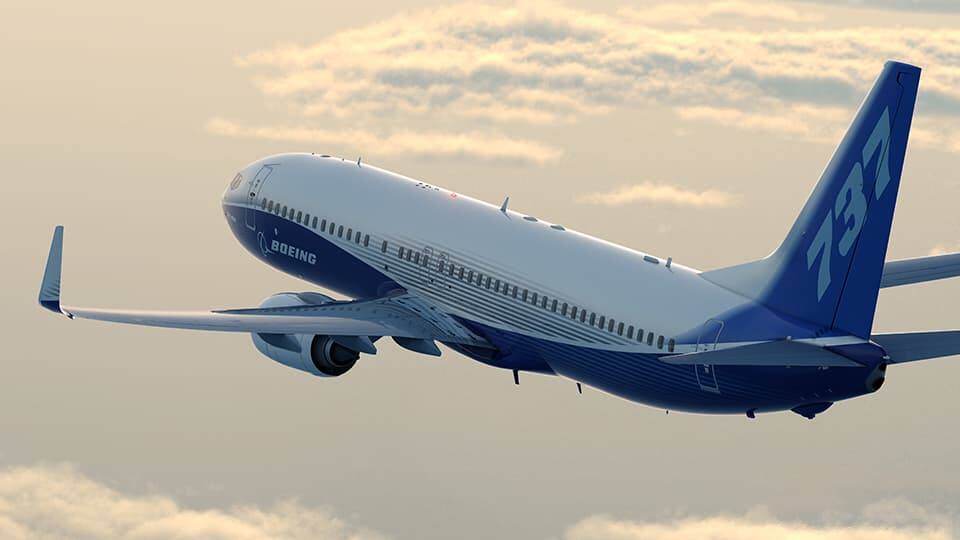
Delta Air Lines is fitting 240 Boeing 737-800 and 737-900ER jets with small aerodynamic finlets in a bid to cut fuel burn by about 1.2% without touching the engines. The Boeing 737 finlets are Delta’s biggest retrofit of this kind, and a reminder that in aviation, tiny bits of metal can still move big numbers.
The hardware is simple enough to sound underwhelming: four vertical plates on each aircraft, three on the left side and one on the right, where the airflow is already altered by the auxiliary power unit intake. Yet the effect is more serious than the shape suggests, because the parts smooth airflow at the tail, reduce drag, and cut turbulence around the rear fuselage.
What Delta is installing on its 737 fleet
The finlets are about 64 cm long and 6.4 cm high. They also allow Delta to remove the standard vortex generators between the vertical stabilizer and the horizontal tail, which further lowers resistance and vibration at the back of the aircraft.
Delta says the concept was tested in real-world operations before the fleet rollout began. The company had already trialed the finlets on 22 aircraft, where they delivered the expected reduction in jet fuel use. That kind of proof matters more than glossy renderings; airlines do not spend money on retrofits because they enjoy new shapes on the tail.
Why Boeing 737 finlets still matter
A 1.2% reduction looks modest on paper, but on a large Next Generation 737 operation it adds up to millions of liters of aviation kerosene a year. That is the logic behind a lot of aviation efficiency work right now: not a single dramatic breakthrough, but a stack of small drag cuts, lighter materials, and cleaner software tweaks that compound across a fleet.
Vortex Control Technologies, the company behind the design, was founded by former Lockheed Martin engineers with experience on the C-130 Hercules and C-17 Globemaster III. The finlets are already certified for the Boeing 737-700, 737-800, and 737-900ER, which gives the retrofit a relatively clean path compared with more ambitious cabin or engine changes that can take far longer to approve.
A cleaner tail is cheaper than new engines
Airlines can chase fuel savings in a few ways: buy newer jets, swap engines, or squeeze more efficiency out of the aircraft they already own. Delta has chosen the least glamorous option, but also the one that can scale faster across an existing fleet. If the rollout works as planned, the message to other operators is obvious: sometimes the cheapest fuel-saving upgrade is four plates and a better airflow story.