

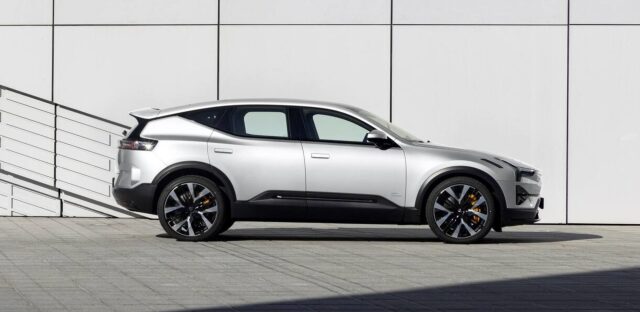
Polestar is pulling back from the United States and leaning harder into Europe after US regulators blocked the brand from selling new vehicles from the 2027 model year. The Swedish EV maker says the setback forces a regional reset, with Europe now taking center stage while the company keeps selling existing US inventory and servicing current owners.
The decision follows a denial from the US Department of Commerce’s Bureau of Industry and Security under the federal ”Connected Vehicle” Rule, which targets software and hardware linked to foreign nations of concern. Because Polestar is backed by China’s Geely Group, it did not get the exemption it needed. That means no new Polestars for American buyers beyond the 2026 model year.
Europe becomes the main market
Polestar CEO Michael Lohscheller framed the shift as a response to a more regional auto industry, and the numbers back him up. The company says 94% of its first-quarter 2026 retail sales came from markets outside America, while Europe already accounts for nearly 80% of total retail sales volume. That makes the pivot less of a dramatic U-turn and more of an admission about where the business already lives.
Europe also gives Polestar something the US no longer will: room to build. The company says it plans to manufacture the Polestar 7 in Europe and expand its sales network there, while also investing in Southeast Asia, Eastern Europe, Latin America, and Canada. That spread suggests Polestar is trying to offset the US loss by doubling down on markets where it still has a path to growth, rather than waiting for Washington to change its mind.
What US buyers will still get
For American customers, the immediate change is narrower than it sounds. Polestar will stop introducing new vehicles in the US after the 2026 model year, but it will continue to sell off existing stock of the Polestar 3 and Polestar 4 SUVs. Existing owners are also promised ongoing support, with service, maintenance, parts, and warranty claims all staying in place.
- New US vehicle introductions end after the 2026 model year
- Existing Polestar 3 and Polestar 4 inventory will still be sold
- Service, parts, and warranty support continue for current US owners
A familiar EV industry problem
Polestar’s predicament is a reminder that the EV race is no longer just about battery range and software polish. Regulators are increasingly drawing geopolitical lines around connected cars, and brands with cross-border ownership structures are finding that the rules can be as decisive as consumer demand. If anything, the company’s response looks like a preview of how others may react: localize more, manufacture closer to home, and stop assuming one global strategy will work everywhere.
The open question is whether Europe can absorb the strategic weight Polestar is placing on it. If the brand can keep growing there while building local production, the US ban may end up looking like a painful but manageable detour. If not, the company’s regional bet could become a very expensive lesson in how fast the EV business can get political.