

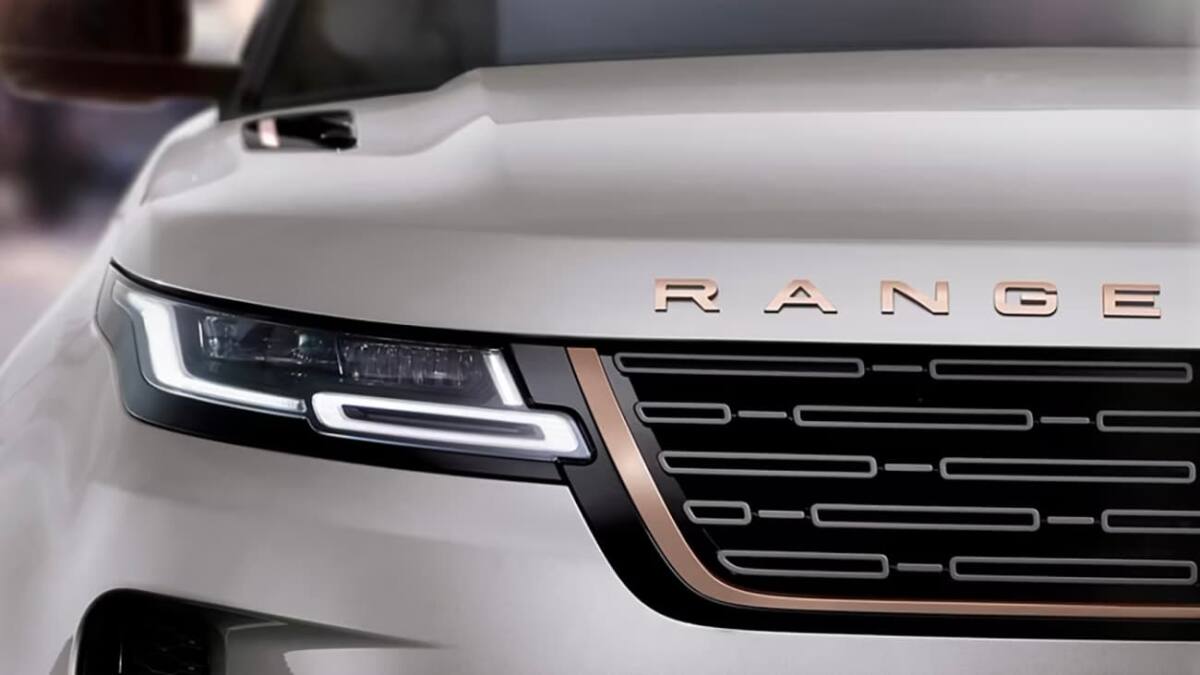
China’s gasoline car market is getting squeezed so hard that even premium badges are flashing clearance-style discounts. The clearest example is the locally built Range Rover Evoque L, which is now being sold for 179,800 yuan, or about $26,600, in a market where its official price is 429,800 yuan, or $63,500.
That makes the cut almost 60%, or roughly $37,000. For a luxury SUV, that is less a promotion than a message: the old internal-combustion playbook is being rewritten fast, and not by the companies that used to control it.
Range Rover Evoque L discount in China
The Range Rover deal is extreme, but it is not a one-off. According to the China Association of Automobile Manufacturers, the average discount on combustion-engine cars has reached 33,000 yuan, or about $4,900, nearly twice last year’s level. In a normal market, that would be aggressive. In China right now, it looks more like triage.
Used cars are taking hits too. In May, average transaction prices on the second-hand market fell 19%, and three-year-old gasoline cars now keep only about 38% of their original value. That is a brutal reset from 2023, when the same age group retained around 60% of its price.
Electric and hybrid rivals are eating demand
The reason is plain enough: Chinese buyers are moving toward electric vehicles and hybrids, which are getting better and cheaper at the same time. That combination leaves traditional fuel-powered models defending shrinking demand with the oldest tool in the box – discounts.
For automakers, that creates a nasty choice. Hold prices and watch inventory sit, or slash them and damage resale values, brand equity, and dealer margins all at once. JLR is just the headline example; the deeper story is that China’s EV transition is no longer only about who wins the future, but who gets forced to pay for it today.
Premium brands face deeper price pressure
Luxury makers usually rely on scarcity and status to protect pricing. That logic works poorly when the local market is flooded with faster-moving electric alternatives and shoppers know the next markdown may be even bigger. The result is a race to the bottom that premium labels can’t easily control, especially in the world’s most competitive auto market.
The next question is whether this pressure stays limited to gasoline models or starts forcing broader price cuts across China’s auto market. If resale values keep sliding and EV adoption keeps climbing, more badges may discover that ”premium” is no shield against a buyer who knows there is a deal waiting down the road.