

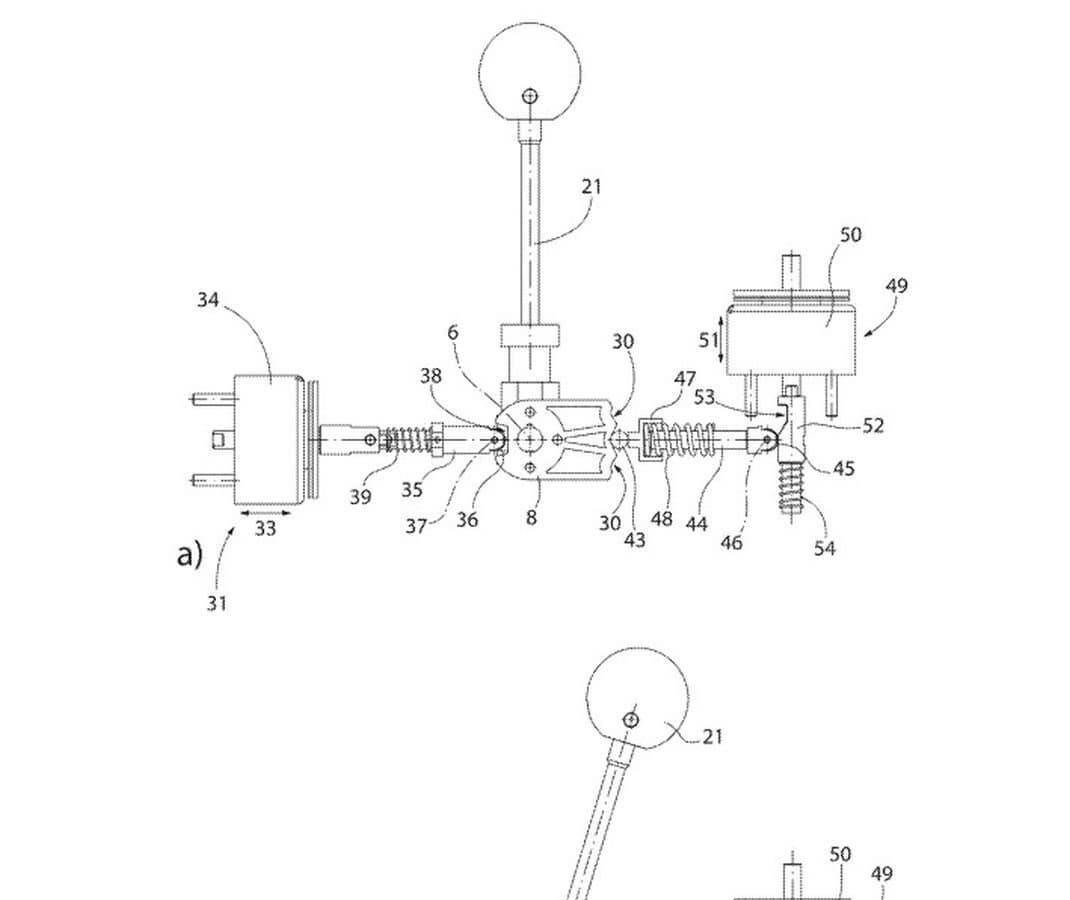
Ferrari has patented an electronic H-pattern shifter that looks and feels like a manual gear lever, but does its work with software rather than a direct mechanical link. The system is expected to appear in a special 12Cilindri variant called 12Cilindri MM, reportedly due for a presentation on 4 July, and it is Ferrari’s latest attempt to bottle old-school driver drama without giving up automatic transmission convenience.
Ferrari’s fake manual shifter is simple enough to make purists smile and skeptics roll their eyes: keep the familiar gate and lever, then translate the driver’s movement into electronic commands. That means no rods, no cables, no physical connection between the hand and the gearbox. In a market where even performance cars are being pushed toward paddles, software, and drive modes, Ferrari is trying to preserve the ritual of rowing gears while avoiding the compromises of a true manual.
How Ferrari’s shift-by-wire H-pattern works
According to the patent description, the cabin setup combines a mechanical-looking H gate with an electronic control unit and the kind of mode buttons you usually see on modern automatics. The driver still moves a conventional-style lever, but the gearbox receives electronic signals instead of a physical shove through the drivetrain. In other words, Ferrari is selling the gesture, not the linkage.
- H-pattern selector with an electronic control block
- No mechanical connection between lever and transmission
- Manual-style control without a traditional manual gearbox
- Additional drive-mode buttons for automatic operation
What Ferrari says it is trying to preserve
The pitch is emotional, not technical. Ferrari wants to preserve the feel of choosing gears by hand while removing the limits of a conventional automatic, which usually only allows sequential shifts up or down one step at a time. The company says the manual mode in this architecture should let the driver pick the needed ratio for the moment, mimicking the logic of a mechanical gearbox without the hardware baggage.
That puts Ferrari in familiar company. Koenigsegg has already explored similar ideas, and the broader industry has been drifting toward electronically mediated controls for years, from paddles to brake-by-wire systems. The difference here is mostly theatre, but in a supercar that matters more than manufacturers like to admit.
The big unanswered question is the clutch pedal
The patent does not say whether Ferrari will include a separate clutch pedal, which is the part that would really decide how ”manual” this thing feels. If the system reaches production, it could become a halfway house between analog involvement and digital control – exactly the sort of compromise luxury performance buyers keep pretending they do not want, right up until someone offers it with a prancing horse badge.