

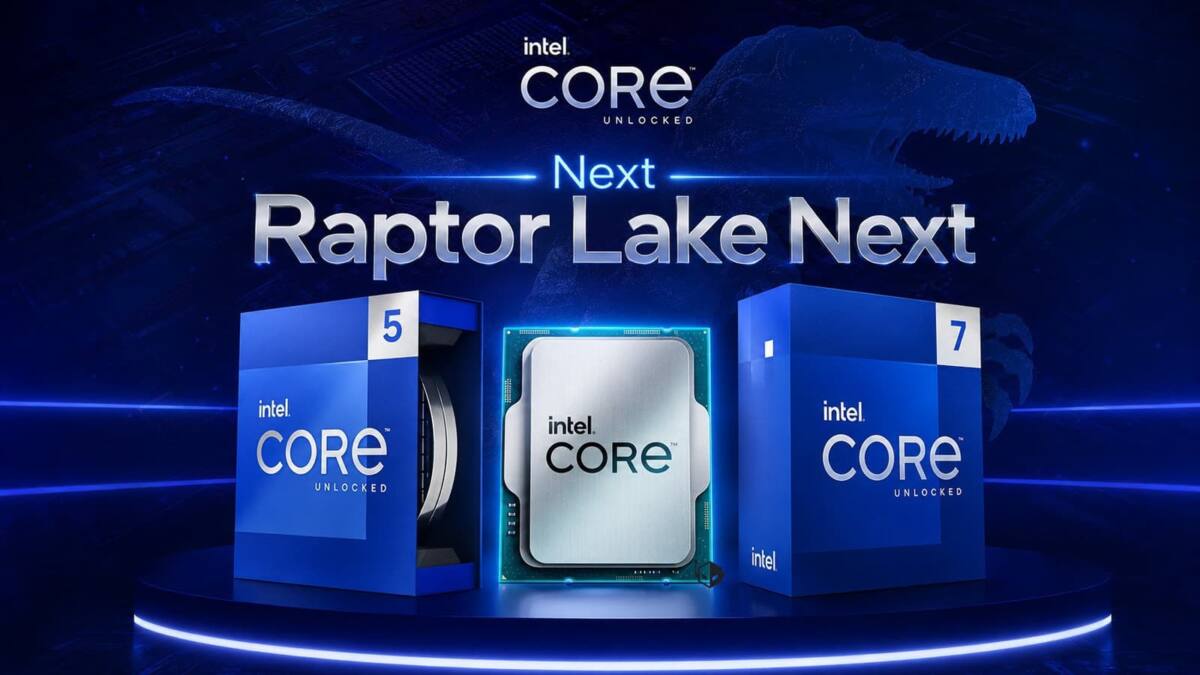
Intel is reportedly giving the Intel LGA 1700 socket a longer runway with Raptor Lake Next, a new wave of desktop chips expected to arrive in early 2027. The lineup is said to span Core 7, Core 5, and Core 3 models, and the pitch is clear: keep familiar motherboards alive a little longer instead of forcing buyers into a platform swap just to get a modern CPU.
That matters because Intel has spent the last few product cycles asking users to accept new boards, new memory, and new headaches. Raptor Lake Next appears to do the opposite, leaning on existing parts and aiming squarely at anyone who wants an upgrade without rebuilding an entire PC around it.
Core 7, Core 5, and Core 3 models are all in play
According to the leaked details, the chips will sit under the Core 200 family and use familiar Raptor Cove performance cores alongside Gracemont efficiency cores. Intel is also sticking with Intel 7, which tells you this is less about a grand architectural reset and more about extending an old formula for one more round.
The reported configurations are straightforward:
- Core 7: up to 8 performance cores and 12 efficiency cores
- Core 5: 8+8 and 6+4 core configurations
- Core 3: 4 performance cores
That mix suggests Intel is trying to fill gaps below its higher-end parts without pretending these are radical new designs. AMD is expected to be pushing Zen 6 around the same period, but Intel’s answer here looks aimed at a different buyer: someone who wants a sane upgrade path, not an expensive platform pilgrimage.
Asynchronous L3 cache could be the odd little trick
The most interesting rumor is a new cache scheme that would let even disabled compute blocks contribute extra L3 cache in some models. If that pans out, Intel could squeeze more performance out of binning and salvage logic than by simply turning everything into a bigger core count contest. It is a clever bit of engineering thrift, which is exactly the sort of thing desktop buyers rarely complain about.
There is also a practical angle here: these chips are said to support both DDR5 and DDR4. That keeps the upgrade cost down for a huge number of existing systems, and it is probably the real reason Intel is still willing to keep LGA 1700 alive for one more generation.
Why Intel is keeping LGA 1700 alive
This looks like Intel reading the room after years of platform churn. For many PC builders, the CPU is not the expensive part anymore; the motherboard-and-memory combo is. A chip that drops into an older socket and still works with DDR4 will sell itself to a very specific, very practical audience.
So the open question is not whether Raptor Lake Next will be flashy. It probably will not be. The real question is whether Intel can turn ”good enough and cheap to upgrade” into a stronger desktop story than the more ambitious chips coming from AMD, especially for buyers who have no interest in starting from scratch.