

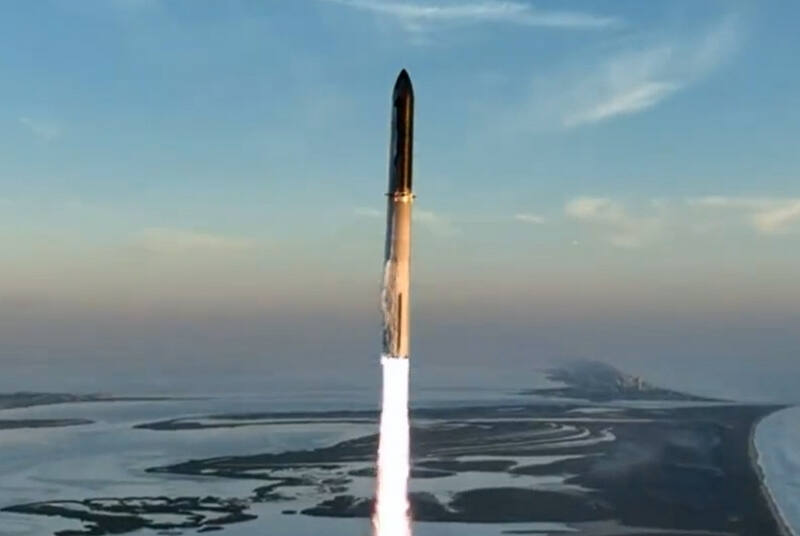
SpaceX has pulled off the biggest IPO ever, raising about $75 billion as shares began trading on Nasdaq under the ticker SPCX. The offering instantly reshapes the public markets, pushes the company into the top tier of listed firms, and makes Elon Musk the first person in history with a net worth above $1 trillion.
The headline number is eye-catching, but the deeper story is simple: investors wanted in badly. Demand reportedly ran more than four times the supply, which is a fancy way of saying the average retail buyer is unlikely to get much at the $135 listing price. That kind of hunger is familiar around high-profile tech debuts, though SpaceX arrives with something most startups only dream about – a near-monopoly position in a real industry with real cash flow.
SpaceX IPO size and trading details
SpaceX sold 555,555,555 shares at $135 each. That pricing values the company at $1.77 trillion, which is enough to place it immediately among the eight most valuable public companies. For comparison, that is not normal IPO behavior; it is a public-market stampede dressed up as a stock sale.
- Ticker: SPCX
- Shares sold: 555,555,555
- Price per share: $135
- Expected proceeds: about $75 billion
- Valuation: $1.77 trillion
Starlink, launches, and the AI bill
SpaceX is not being rewarded for vibes alone. It controls about 82% of US launches and is one of the biggest players in the commercial space business worldwide. Then there is Starlink, which reportedly passed 10 million subscribers earlier this year, giving the company a second revenue engine that looks a lot less speculative than the Mars rhetoric around it.
The company also used its IPO documents to sketch out a familiar Musk playbook: more rockets, a bigger Starlink network, a permanent Martian colony, and orbital data centers to support AI projects. That last item is the expensive one. SpaceX reported about $4.9 billion in losses in 2025 and kept burning cash in the first quarter of 2026, mostly on AI infrastructure, so even a record IPO is not a blank check for long.
Musk keeps control, and rivals get tangled in the story
Musk will still hold almost complete control of SpaceX through 85% of the voting shares. That matters because public ownership usually dilutes founders; here, it barely does. His stake is valued at $648 billion, plus $44.3 billion in options, which is how the listing turns him into the first person with a fortune above $1 trillion.
The filing also makes clear how intertwined Musk’s empire has become. Tesla owns nearly 19 million Class A SpaceX shares, while SpaceX buys Cybertruck pickups and Megapack storage systems from Tesla and rents office space from The Boring Company. Even the risk disclosures read like a family reunion with procurement issues. Separate businesses, sure – but not exactly strangers.
Nasdaq rules could pull ETFs into the trade
There is one more twist. Nasdaq recently shortened the waiting period for large companies to enter the Nasdaq 100 after an IPO to 15 trading days. If SpaceX qualifies, index-tracking ETFs may be forced to buy large chunks of the stock shortly after launch, which would add another layer of automatic demand on top of the hype.
The bigger question is whether SpaceX can keep acting like a growth company while being priced like an institution. If the spending pace stays this aggressive, the IPO cash may cover less than three years of operations. Investors are buying the rocket ship, but they are also buying the fuel bill.