

Microsoft has loosened one of the stricter rules behind Copilot+ PC: some Windows 11 on-device AI features can now run on supported Nvidia graphics cards, not just on the neural processing units built into the PC. The change is small on paper, but it hints at a broader shift in how Microsoft defines local AI on Windows – and it gives developers more hardware to target without waiting for a perfect Copilot+ badge match.
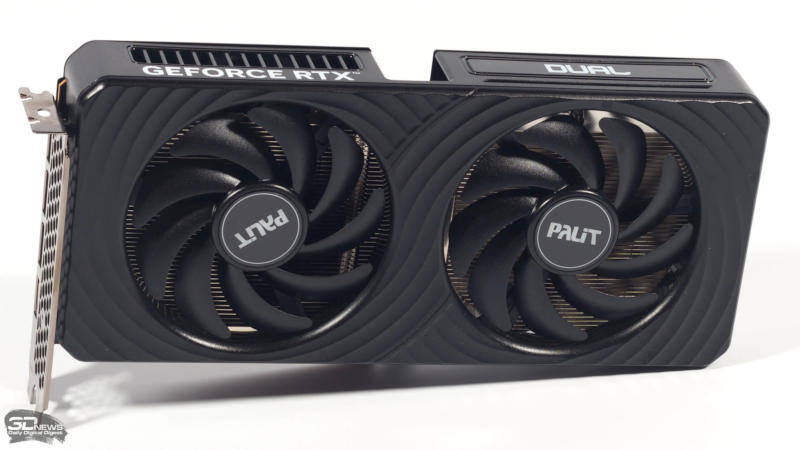
The new support covers Nvidia GeForce RTX 30 series cards and newer, as long as they have at least 6GB of VRAM. That matters because the first Copilot+ PCs launched with a fairly rigid checklist: an NPU, 16GB of RAM, and solid-state storage. In practice, though, modern GPUs are often very good at this kind of workload, sometimes faster than an NPU – just less polite about power use.
Which Copilot+ PC AI features work on Nvidia GPUs
Microsoft’s updated documentation and a GitHub post say developers can now call language model APIs on PCs that do not meet Copilot+ PC requirements, provided they have a supported Nvidia GPU. The local model underneath is Phi Silica, which loads through Windows Update when an app asks for it.
The supported feature set is focused on text:
- Summarizing content
- Rewriting text
- Turning text into structured formats
- Generating prompts
These tasks can also run in cloud AI services, but local execution is faster and keeps data on the device instead of shipping it elsewhere.
The Copilot+ badge still depends on NPU features
Microsoft has not thrown the NPU overboard entirely. Windows Recall and Click to Do are still tied to NPU-based systems, so not every branded Copilot+ feature is becoming GPU-friendly overnight. But the company is clearly no longer treating the NPU as the only acceptable home for local AI, which opens the door for a much larger installed base of RTX-powered PCs.
That is the interesting part. Nvidia has been pushing CUDA-era muscle into more AI workflows for years, while Microsoft has spent months selling Copilot as a device-level feature rather than just another cloud service. Letting RTX 30-class hardware into the club makes the pitch less neat – and a lot more realistic.
What developers can expect next
For now, this is a documentation change with practical upside rather than a splashy consumer launch. But if Microsoft keeps widening support, Copilot+ could start looking less like a sealed hardware category and more like a layered platform where NPUs handle the most tightly integrated features while GPUs pick up the rest.
That would be good news for PC makers with plenty of RTX laptops in the wild, and mildly awkward for Microsoft’s original hardware story. The company may still prefer the tidy NPU narrative, but Windows AI is already proving it will run wherever the silicon is willing.