

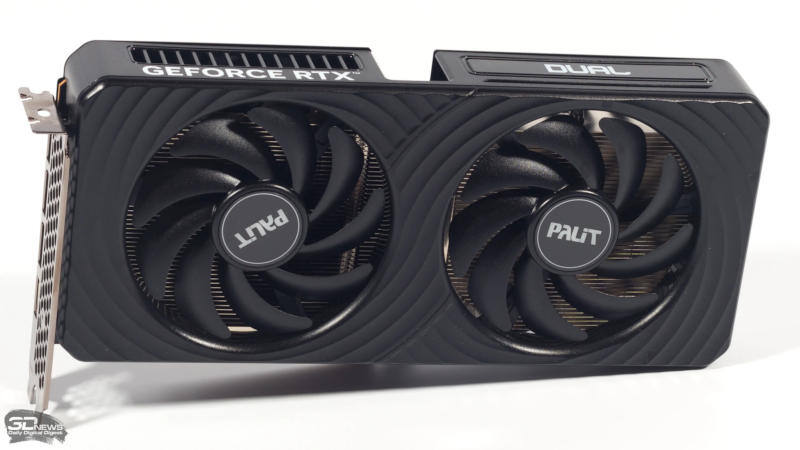
Microsoft has loosened one of the defining rules behind the Copilot+ PC: some local AI features in Windows 11 can now run on supported Nvidia graphics cards, not just on the dedicated neural processing units that originally helped define the category. For developers, that means GeForce RTX 30-series GPUs and newer with at least 6GB of memory can now tap the API for on-device language models. For Microsoft, it is a quiet admission that ”Copilot+ PC” no longer has to mean ”NPU or nothing.”
The shift matters because it opens the door to a much larger pool of hardware than the first Copilot+ PCs could offer. When the class launched in 2024, the checklist included an NPU, 16GB of RAM, and an SSD, and Windows AI features were tied to that specialized chip. GPUs have always been able to do this kind of work, often faster than NPUs, though they usually burn more power doing it. Microsoft is now acting as if that trade-off is acceptable, at least for selected features and selected developers.
Which Nvidia RTX 30 GPUs are supported
Microsoft says the supported lineup starts with Nvidia GeForce RTX 30-series graphics cards and extends to newer models, provided they have at least 6GB of video memory. The company confirmed the change in updated documentation and a GitHub post, where it made clear that apps can access the language-model API even on PCs that do not meet Copilot+ PC requirements, as long as the GPU is compatible.
- Nvidia GeForce RTX 30 series or newer
- At least 6GB of VRAM
- Support for Windows local language-model APIs
Phi Silica still powers the feature set
The local AI stack is built around Phi Silica, a model that is downloaded through Windows Update when an app asks for it. Microsoft is positioning the feature set around text work: summarizing content, rewriting text, turning text into structured formats, and generating prompts. Those tasks are already familiar from cloud AI tools, but running them locally keeps data on the device and usually makes apps feel snappier.
Some functions are still locked to NPUs, though. Windows Recall and Click to Do remain tied to dedicated neural hardware, which is a neat reminder that Microsoft is broadening Copilot+ support without fully abandoning its original hardware story. The company has not said it is done drawing lines, but it has clearly stopped treating the NPU as the only acceptable place for local AI to live.
Microsoft’s next Copilot+ PC hardware shift
This looks like the first crack in a strategy that was always a little too tidy. Qualcomm-friendly NPUs helped Microsoft define a new PC class, but Nvidia’s installed base is far bigger, and Windows developers tend to follow the hardware that is already in front of them. If Microsoft keeps expanding GPU support, Copilot+ could end up looking less like a premium badge for a narrow set of PCs and more like a software layer that can spread across the Windows ecosystem.