

Microsoft has loosened one of the stricter rules around Copilot+ PC: some Windows 11 AI features can now run locally on supported Nvidia graphics cards, not just on the dedicated NPU blocks inside the processor. The change is small on paper and aimed at developers for now, but it hints at a broader shift in how Microsoft defines on-device AI on Windows.
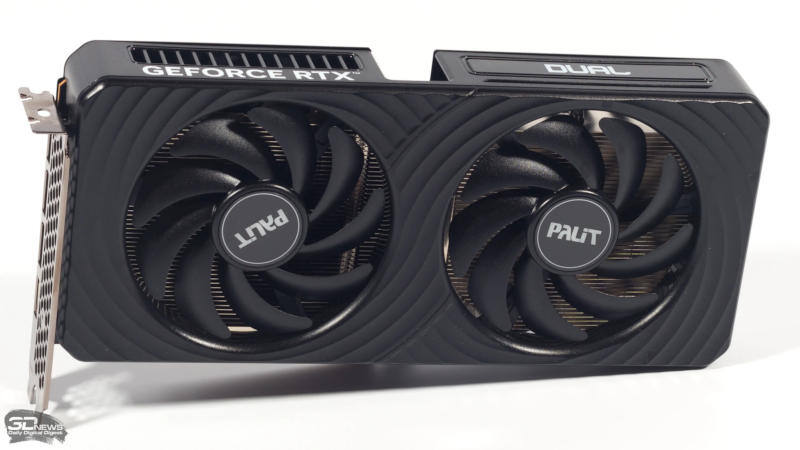
The company now says Nvidia GeForce RTX 30-series GPUs and newer, with at least 6GB of video memory, are supported for access to local language-model APIs. That matters because Copilot+ PC originally arrived with a much tighter checklist: an NPU, 16GB of RAM, and an SSD, with no NPU meaning no AI features in Windows at all. Nvidia already has a huge installed base of RTX hardware, so this opens the door to far more PCs than the Copilot+ badge alone would suggest.
What Microsoft changed for Windows 11 AI
In updated documentation and a separate GitHub post, Microsoft confirmed that developers can now call language-model APIs on PCs that do not meet Copilot+ PC requirements, as long as they have a supported Nvidia GPU. The local model behind the feature set is Phi Silica, which is loaded through Windows Update when an app requests it.
The available tools are mostly text-focused:
- Summarizing content
- Rewriting text
- Converting text into structured formats
- Generating prompts
Which Copilot+ features still need an NPU
This does not mean the NPU is obsolete. Microsoft still ties some features to it, including Windows Recall and Click to Do. So the company is not throwing out the original Copilot+ idea; it is simply admitting that modern GPUs can do local AI work too, and sometimes better, even if they draw more power while doing it.
That’s the interesting part. Copilot+ PC was sold as a category built around dedicated AI silicon, but the software stack is already becoming more flexible. If Microsoft keeps expanding GPU support, the badge may end up looking less like a hard hardware wall and more like a marketing umbrella over whatever can run Windows AI well enough.
Why GPU support matters for developers
For developers, the practical win is obvious: more machines can test and run local AI features without waiting for a machine that clears every Copilot+ requirement. For Microsoft, the upside is broader adoption; the risk is that the Copilot+ label becomes harder to explain if the same features increasingly work outside the official club.
The next question is whether Microsoft extends this support beyond a narrow developer-facing API and makes it part of a wider Windows feature strategy. If it does, the real winner may be the millions of RTX 30 and newer PCs already sitting on desks, quietly waiting for a second life as AI boxes.