

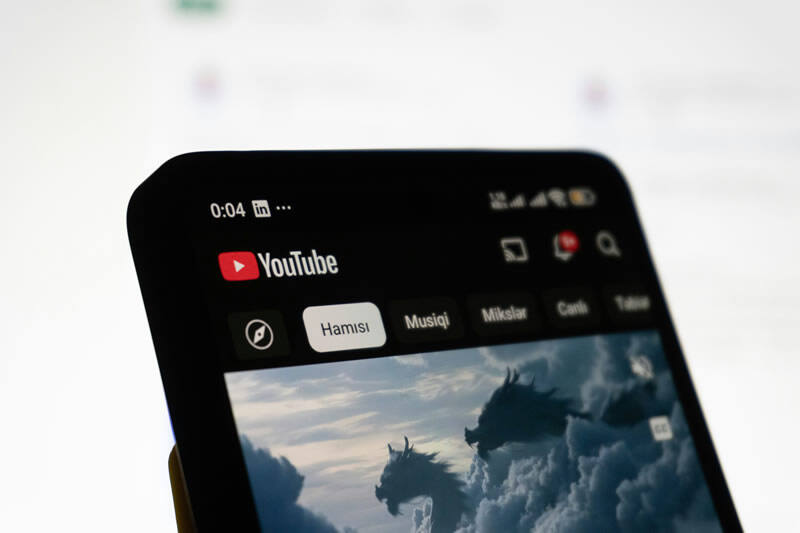
YouTube is expanding a private invite-only video chat feature that lets users share videos and message one another inside the app, but only after sending an invite link. The rollout, which began in Europe last November, is now reaching users in the United States, the United Kingdom, Brazil, and Singapore, and it leans hard into control: no open inboxes, no random DMs, and no way to jump straight into a conversation without permission.
That makes this less like a full-blown messaging app and more like a tightly fenced sharing layer for YouTube’s existing video empire. The company is clearly trying to keep people inside its own ecosystem while avoiding the moderation headaches that come with broader social chat tools.
How YouTube’s private chat invites work
According to 9to5Google, users can start a conversation only by sending a special URL through another platform. The link expires after seven days, and the recipient has to confirm they want to chat before anything begins. That extra step is doing a lot of work here: it blocks casual spam, but it also makes the feature feel deliberately limited.
Chats live behind a new icon in the top-right corner of the app. YouTube has also folded contact selection into the standard ”Share” button, which is a neat little way of making a messaging feature feel less like a messaging feature. Convenience first, terminology later.
What users can share in YouTube private video chats
The feature is reserved for adults 18 and older and is built around video sharing rather than general conversation. Users can send regular videos, live streams, Shorts, and videos available by link. Fully private content cannot be sent, which keeps the system closer to a recommendation-and-sharing tool than a private vault.
- Standard videos
- Live streams
- Shorts
- Link-access videos
YouTube says shared messages and media remain subject to the platform’s community rules, and users can delete sent messages, block contacts, or report abuse. Push notifications handle new messages, which is exactly what you’d expect from a feature trying to behave like a modern chat system without surrendering too much control.
Why the feature disappeared and came back
The comeback is also a small reminder that product ideas rarely die cleanly at Google. During testing, YouTube said the feature had been one of the most requested before it was removed in 2019. That kind of return usually means the company sees a real habit forming around sharing, and maybe a chance to pull more of that behavior back into YouTube instead of letting it happen in WhatsApp, iMessage, or Discord.
The unanswered question is how far YouTube wants to take this. If invite-only chat sticks, the next step is obvious: broader availability, more controls, and probably more reasons to never leave the app. If it stalls, it will join the long list of features that looked useful in testing and then got trapped behind product caution.