

- Drivers: 10mm dynamic with PU and PEEK composite diaphragm
- Codec support: LDAC
- ANC: up to 49dB
- Microphones: six total, three per side
Battery life and app features
Battery life is rated at up to 9 hours on the buds alone, with the case pushing total listening time to 40 hours. Fast charging over USB-C adds up to 2 hours of playback from a 15-minute top-up, which is the sort of convenience that matters more than glossy marketing copy. The earbuds also support Bluetooth 6.0, multipoint pairing for two devices, and a 45ms low-latency mode for gaming.
The companion app adds spatial audio, real-time translation for 21 languages, and voice assistant integration using DeepSeek and Doubao. Those software extras are becoming a small arms race among Chinese audio brands, and Edifier is clearly trying to keep pace rather than just sell another cheap pair of buds with a decent driver and a louder marketing team.
A crowded budget earbuds race
The FitBuds Turbo arrive as rivals keep stuffing more features into affordable earbuds. Dangbei recently showed off the Air 1S with a touchscreen case, AI translation, and LHDC 5.0, while Edifier itself has also launched the LolliClip SE with Dolby Spatial Audio, AI transcription, and a 40-hour battery claim. The result is a budget segment that looks less like ”budget” every month and more like a premium feature dump with a lower sticker price.
For now, the real question is whether buyers value LDAC and ANC claims enough to pick these over better-known global models. At $38, Edifier has made the decision easy on price; the harder part is convincing people that the spec sheet translates into sound and noise cancellation that actually hold up.
Edifier’s new FitBuds Turbo aim squarely at the value end of the wireless-earbuds market, but they don’t sound particularly stripped down: the China-only pair costs 259 yuan ($38), supports LDAC, claims up to 49dB of active noise cancellation, and stretches battery life to 40 hours with the case.
That combination is familiar territory for Chinese audio brands right now. The playbook is obvious: pack in premium-sounding features, keep the price low, and hope shoppers notice the spec sheet before the compromises kick in.
FitBuds Turbo design and build
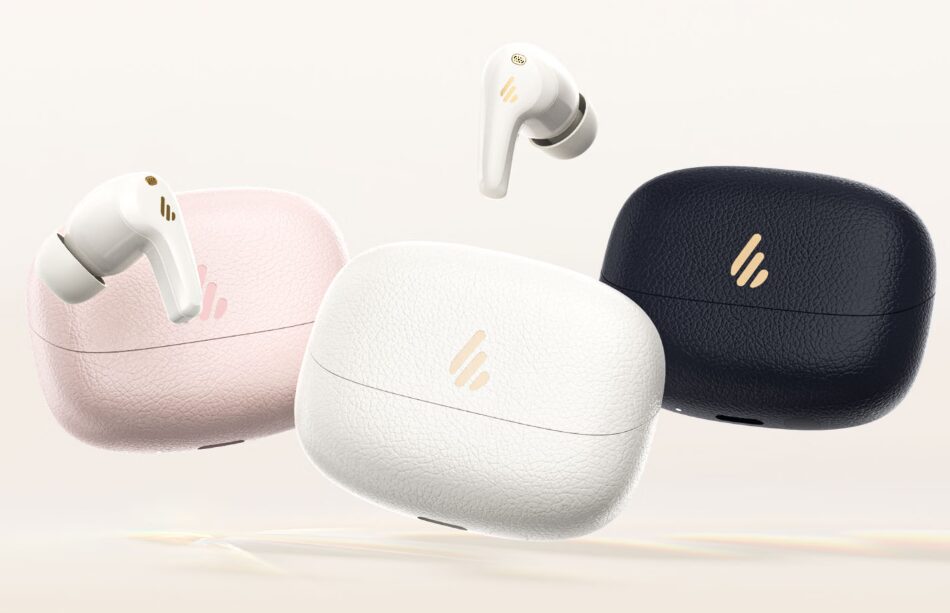
The FitBuds Turbo use a short-stem design and weigh 4.4 grams per earbud. They carry an IP54 rating for dust and light splashes, and Edifier says the silicone ear tips have antibacterial properties that can block 99.9% of bacteria. The charging case goes for a faux-leather texture with metallic accents, which is a nicer touch than the usual shiny plastic box that picks up fingerprints for sport.
Three color options are on offer: Dawn White, Mystery Blue, and Sakura Pink.
Edifier FitBuds Turbo audio, ANC, and calls
Edifier is using 10mm dynamic drivers with a PU and PEEK composite diaphragm. The earbuds are Hi-Res Audio Wireless certified and support LDAC, which should help them stand out against cheaper rivals that stop at basic Bluetooth audio. Active noise cancellation is rated at up to 49dB, while calls are handled by six microphones in total, with AI filtering designed to pull the voice forward in noisy surroundings.
- Drivers: 10mm dynamic with PU and PEEK composite diaphragm
- Codec support: LDAC
- ANC: up to 49dB
- Microphones: six total, three per side
Battery life and app features
Battery life is rated at up to 9 hours on the buds alone, with the case pushing total listening time to 40 hours. Fast charging over USB-C adds up to 2 hours of playback from a 15-minute top-up, which is the sort of convenience that matters more than glossy marketing copy. The earbuds also support Bluetooth 6.0, multipoint pairing for two devices, and a 45ms low-latency mode for gaming.
The companion app adds spatial audio, real-time translation for 21 languages, and voice assistant integration using DeepSeek and Doubao. Those software extras are becoming a small arms race among Chinese audio brands, and Edifier is clearly trying to keep pace rather than just sell another cheap pair of buds with a decent driver and a louder marketing team.
A crowded budget earbuds race
The FitBuds Turbo arrive as rivals keep stuffing more features into affordable earbuds. Dangbei recently showed off the Air 1S with a touchscreen case, AI translation, and LHDC 5.0, while Edifier itself has also launched the LolliClip SE with Dolby Spatial Audio, AI transcription, and a 40-hour battery claim. The result is a budget segment that looks less like ”budget” every month and more like a premium feature dump with a lower sticker price.
For now, the real question is whether buyers value LDAC and ANC claims enough to pick these over better-known global models. At $38, Edifier has made the decision easy on price; the harder part is convincing people that the spec sheet translates into sound and noise cancellation that actually hold up.