

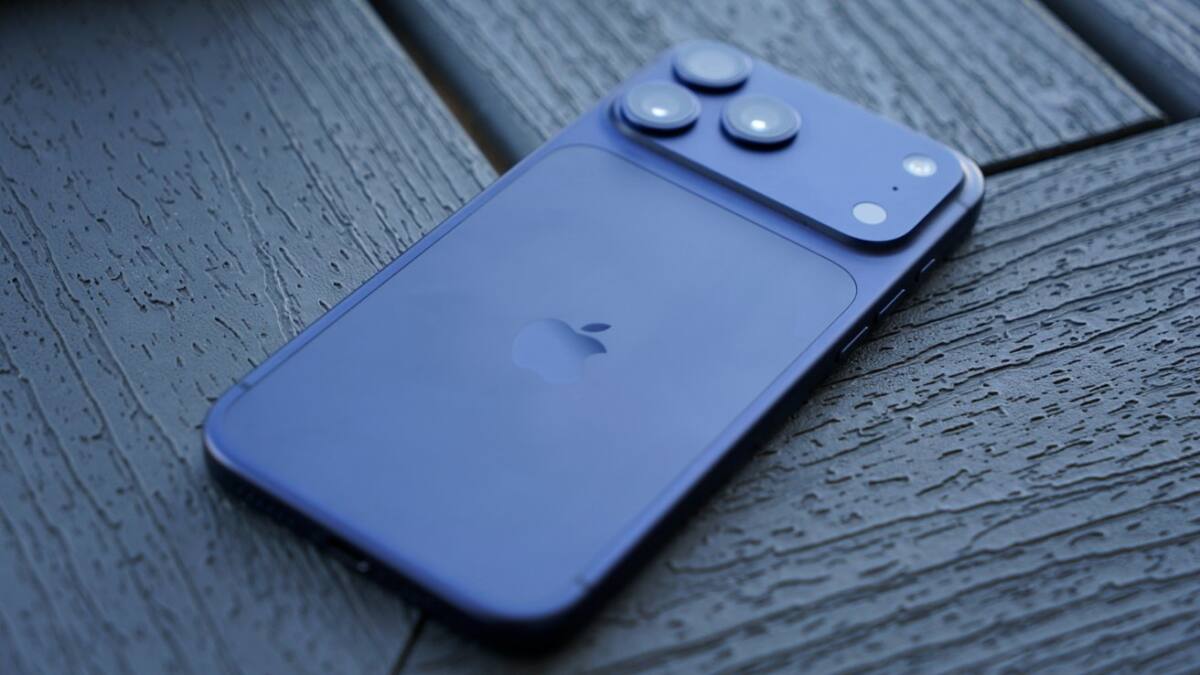
Apple has kept its iPhone compatibility list unchanged for iOS 27, which means every device that can run iOS 26 gets another major update. The iPhone 11 family, first released in 2019, stays on the list, while iOS 27 arrives first as a developer beta, then as a public beta later this summer, with a full release due in the fall.
That is a pretty generous showing by Apple, even by its standards. The company has long supported iPhones for years before cutting them loose, and holding the line for another cycle also helps keep older devices attractive in a market where Android rivals often split support across different update policies.
iOS 27 supports the same iPhones as iOS 26
Apple says iOS 27 works with the same models as iOS 26, spanning everything from the iPhone SE (2nd generation and later) to the newest iPhone 17 lineup. The list includes the iPhone 11, 11 Pro, and 11 Pro Max, along with every generation from iPhone 12 through iPhone 17 Pro Max.
- iPhone SE (2nd generation and later)
- iPhone 11, iPhone 11 Pro, iPhone 11 Pro Max
- iPhone 12 mini through iPhone 16 Pro Max
- iPhone 16e, iPhone 17e, iPhone 17, iPhone Air, iPhone 17 Pro, iPhone 17 Pro Max
Older iPhones will not get every iOS 27 feature
The catch is familiar: support does not mean parity. Apple has been pushing more advanced Apple Intelligence features onto newer hardware, especially devices with stronger processors and more memory, so some iOS 27 tools will almost certainly stay out of reach on older iPhones even if the operating system installs just fine.
That split is increasingly the real story with Apple software. The company can boast about broad compatibility, but the high-end features are where it steers users toward newer hardware – a neat bit of product psychology, and a reliable way to keep the upgrade cycle humming.
How to check your iPhone model
If you are not sure whether your phone makes the cut, Apple says to open Settings, tap General, then select About. That is the quickest way to confirm the model before the beta wave starts rolling in.
The more interesting question is how long Apple can keep this going. The iPhone 11 series has already had a remarkably long run, and if this pattern holds, the next compatibility trim may matter more for the features Apple withholds than for the devices it finally drops.