

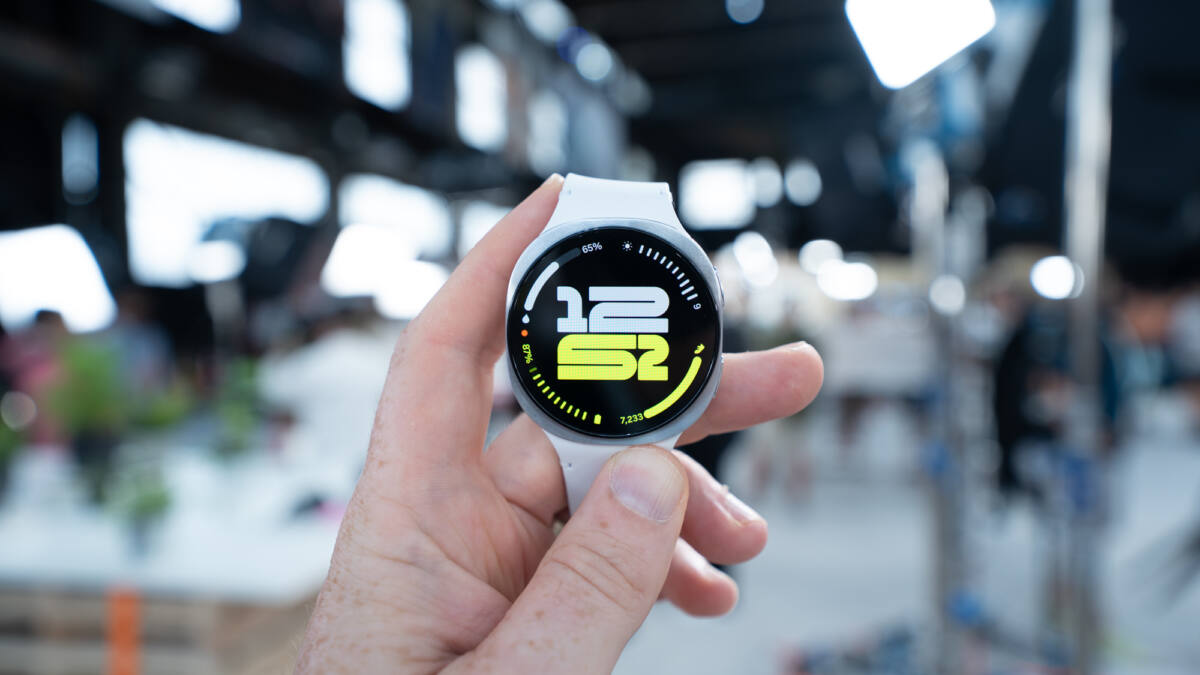
Samsung is turning Galaxy Watch data into a much more opinionated health coach. A global update arriving on June 8 will push a batch of AI-based features into Samsung Health and Galaxy Watch, with new scores, trend tracking, and alerts designed to flag problems before users notice them themselves.
The pitch is simple: stop dumping raw biometrics on people and start translating them into something useful. That’s a direction rival wearables have been moving toward for a while, and Samsung is now trying to make its health stack feel less like a dashboard and more like a prompt to actually sleep, train, or stop pretending stress is a personality trait.
What Samsung Health is adding on June 8
The headline addition is Vitals, which watches bio-signals such as heart rate variability, skin temperature, and respiratory rate against a personal baseline. Instead of flooding users with constant alarms, Samsung says notifications will only appear when the numbers deviate enough to suggest illness or physical exhaustion.
- Vitals: heart rate variability, skin temperature, and respiratory rate tracking
- Heart Health Score: replaces Vascular Load and combines sleep, stress, activity, and body composition metrics
- Daily Cardio Load: measures cardiovascular strain during workouts
- Fitness Index: compares VO2 max and activity levels with similar demographic data
Samsung is also swapping out Vascular Load for Heart Health Score, a more blended metric that folds in sleep, stress, activity, and body composition. That’s a smarter move than pretending one number can explain everything, although it also gives Samsung a cleaner, more consumer-friendly label to hang on the feature.
A new Samsung Health home screen
The app’s interface is changing too. Samsung Health will now organize itself around Sleep, Activity, Nutrition, Mindfulness, and Vitals, while the home screen surfaces AI-based Energy Scores and wellness tips. In other words, Samsung wants the app to start doing the interpretation for you, which is convenient until the recommendations become a little too confident.
For users who already live inside wearables, the bigger shift is how much of this is meant to be proactive. Health apps have long been good at collecting data and mediocre at explaining it; Apple, Google, and Garmin have each tried to close that gap in different ways, and Samsung is now betting that AI-flavored summaries will make its own system feel more personal.
Deeper tracking for diet, aging, and hearing
Samsung is also extending the deeper end of its health tools. The Antioxidant Index now includes trend charts that connect dietary habits with physical responses, while the AGEs index records metabolic data overnight to track long-term lifestyle effects. These are the kinds of features that sound niche until enough health-conscious users decide they want a number for everything.
There’s a practical safety angle too. Samsung says it is adding a Hearing Health tool through Galaxy Watch to monitor ambient noise and help protect users from hearing damage. That puts the watch in the same broad category as other consumer devices trying to move beyond fitness into preventive health, where the business case is obvious: people will check a watch far more often than they will read a medical report.
Samsung’s AI health push on Galaxy Watch
The open question is whether users trust the new scores enough to change behavior. If Samsung gets the alerts right, the Galaxy Watch becomes more than a step counter with a nice screen. If it gets them wrong too often, the whole thing risks becoming another row of colorful badges quietly ignored after the first week.