

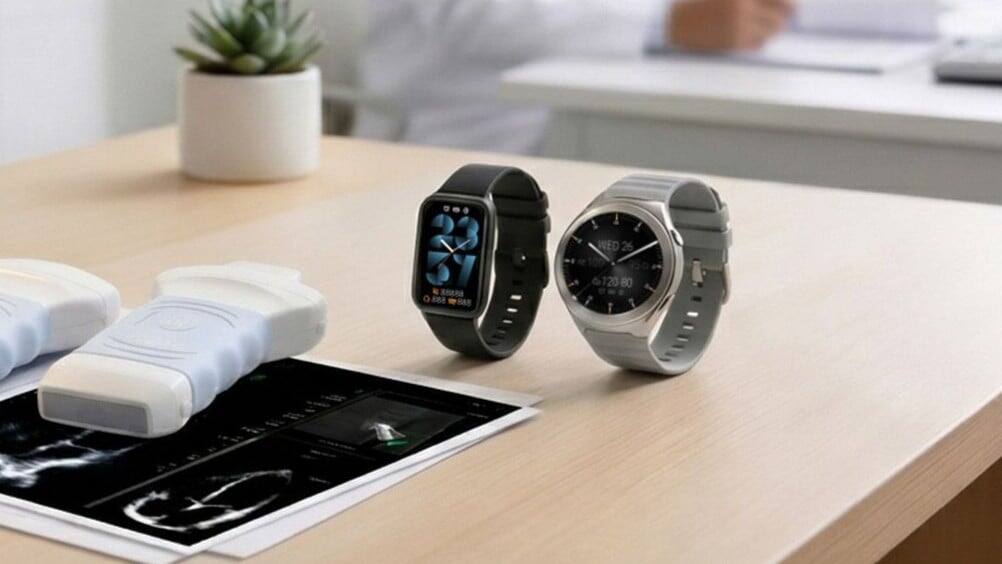
Asus used Computex 2026 to push healthcare harder than usual, and the VivoWatch 6 Plus is the clearest sign that the company wants its wearable line to be taken as more than a fitness side project. The new model brings a larger 1.43-inch AMOLED display, sapphire crystal protection, a titanium alloy case, and a deeper set of health tools than the earlier VivoWatch 6.
That combination gives the Asus VivoWatch 6 Plus a more serious pitch than most smartwatch launches that stop at step counts and workout modes. Asus is also leaning into a broader platform story here, with the watch feeding data into its AI Agent healthcare system alongside other diagnostic devices. If that sounds ambitious, it is – but it also reflects where wearables are heading: less ”smart accessory,” more always-on sensor for long-term health tracking.
What changed in the VivoWatch 6 Plus
The hardware update is straightforward but effective. Compared with the VivoWatch 6 from 2024, the screen grows from 1.39 inches to 1.43 inches, while the sapphire crystal and titanium alloy case should make the device feel more premium and durable. Asus is clearly trying to move the design upmarket without abandoning the health-first identity that defines the series.
- Display: 1.43-inch AMOLED
- Protection: sapphire crystal
- Case: titanium alloy
Health tracking goes beyond the basics
ECG and blood pressure monitoring are still part of the package, but Asus has added sleep breathing movement analysis and gait tracking. Neither one is rare on its own, yet together they point to a more clinical approach than the usual wearable marketing gloss. The watch is less interested in cheering you on for closing rings and more interested in spotting patterns that could matter over time.
That puts Asus in the same rough conversation as other companies that have been trying to make consumer wearables feel medically adjacent without claiming to be medical devices. It’s a crowded field, and that’s exactly why the extra sensors matter: basic health tracking is table stakes now, not a selling point.
Asus wants a wider healthcare ecosystem
The more interesting part is not the watch itself but the system around it. Asus showed the VivoWatch 6 Plus alongside its AI Agent healthcare platform and the Handheld Ultrasound DuoScan, which suggests the company is trying to stitch wearables, diagnostics, and software into one health stack. That is a much bigger bet than selling another smartwatch into a category already crowded by Apple, Samsung, and Google-backed rivals.
The strategy makes sense on paper. A wearable that collects data is useful; a wearable that feeds into a broader analysis platform is harder to ignore. Whether buyers want Asus inside that much of their daily health routine is the real question, especially before pricing is announced and the company has to prove it can compete on value as well as ambition.