

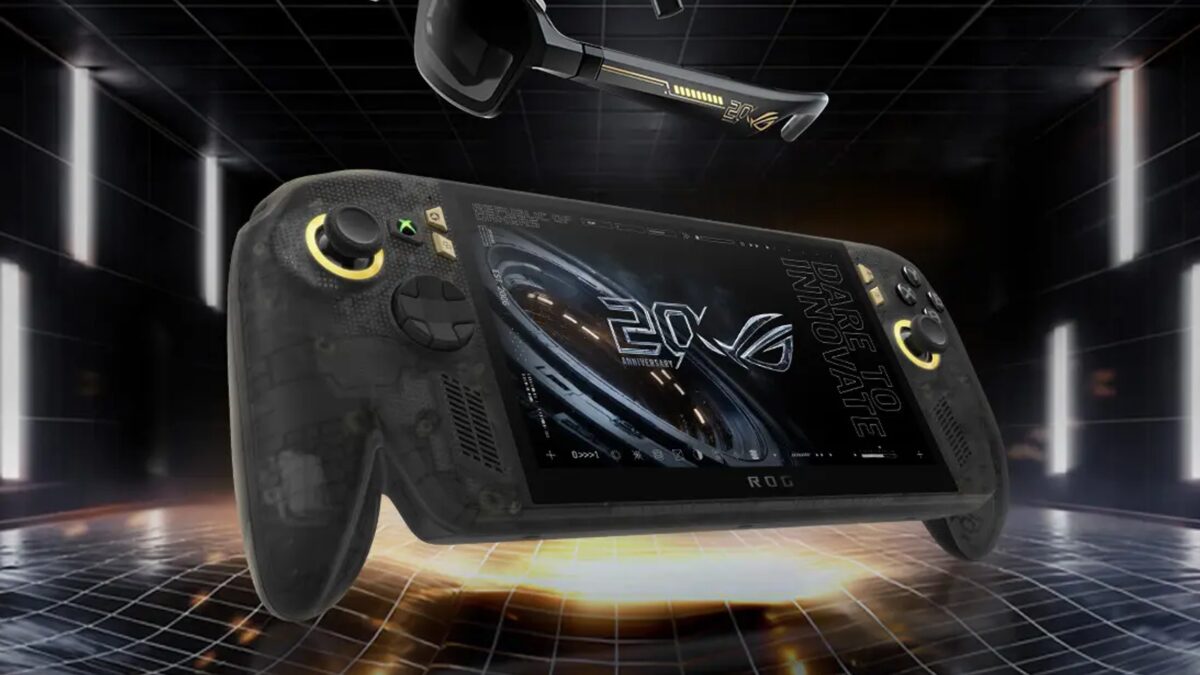
Asus has given its ROG Xbox Ally line a sharper screen, a cleaner control layout, and a pricier halo bundle to match. The new ROG Xbox Ally X20 swaps the base model’s 7-inch IPS panel for a 7.4-inch OLED display, keeps AMD’s Ryzen Z2 Extreme, and arrives with a redesigned button setup that finally removes one of the more annoying accidental presses in handheld gaming.
The timing is no accident either. Asus is tying the device to the 20-year anniversary of ROG, a brand that has spent two decades turning ”gaming gear” into a luxury category, and the X20 looks built to do the same for handheld PCs: justify a premium, lean on display quality, and make the ergonomics feel more deliberate than the original. It is expected to go on sale closer to the holiday season at the end of 2026.
OLED display and VRR changes
The headline upgrade is the screen. Asus has moved to a 7.4-inch OLED panel with Full HD resolution and a 120 Hz refresh rate, replacing the older 7-inch IPS display. Dolby Vision support is included too, while the variable refresh rate floor drops to 30 Hz from 48 Hz on the previous model.
That lower VRR threshold should help smooth out gameplay at slower frame rates, which is exactly where portable PCs tend to wobble. OLED should also give Asus a cleaner sales pitch against rivals that are still leaning on LCD panels, even if the company is not changing the silicon underneath.
ROG Xbox Ally X20 specs and size
Under the hood, the X20 stays close to the original formula: AMD Ryzen Z2 Extreme, 24 GB of RAM, and a 1 TB SSD. The bigger display and new internal layout do add bulk, though, with the handheld measuring 9 mm wider, 0.5 mm thicker, and 41 grams heavier.
- Display: 7.4-inch OLED, Full HD, 120 Hz
- VRR floor: 30 Hz
- Processor: AMD Ryzen Z2 Extreme
- Memory: 24 GB RAM
- Storage: 1 TB
A new Action button replaces Library
Asus also went after the controls, and that may be the smartest part of the refresh. The dedicated Library button is gone after too many accidental exits from games, replaced by a multifunction Action button that takes a screenshot with a short press and starts video recording with a long one, much like modern gamepads.
That kind of fix won’t sell as many units as OLED, but it solves an everyday annoyance. Handhelds live or die on tiny friction points, and Asus seems to understand that a premium device should feel polished before it feels powerful.
Holiday launch and the AR bundle
Sales are expected to begin closer to the holiday season at the end of 2026, and Asus will sell the device as part of a bundle that also includes augmented-reality glasses from Asus and Xreal, model R1. Asus has not announced the price of the full package, but it is unlikely to be cheap: the glasses alone cost $850.
That setup tells you where Asus sees the market going. Handheld gaming PCs are increasingly being sold as lifestyle hardware, not just portable consoles, and the X20 looks aimed at buyers who want the nicest panel, the cleanest controls, and the most expensive add-ons. The open question is whether that is enough to move beyond enthusiasts who already know exactly how much a nicer OLED can cost them.