

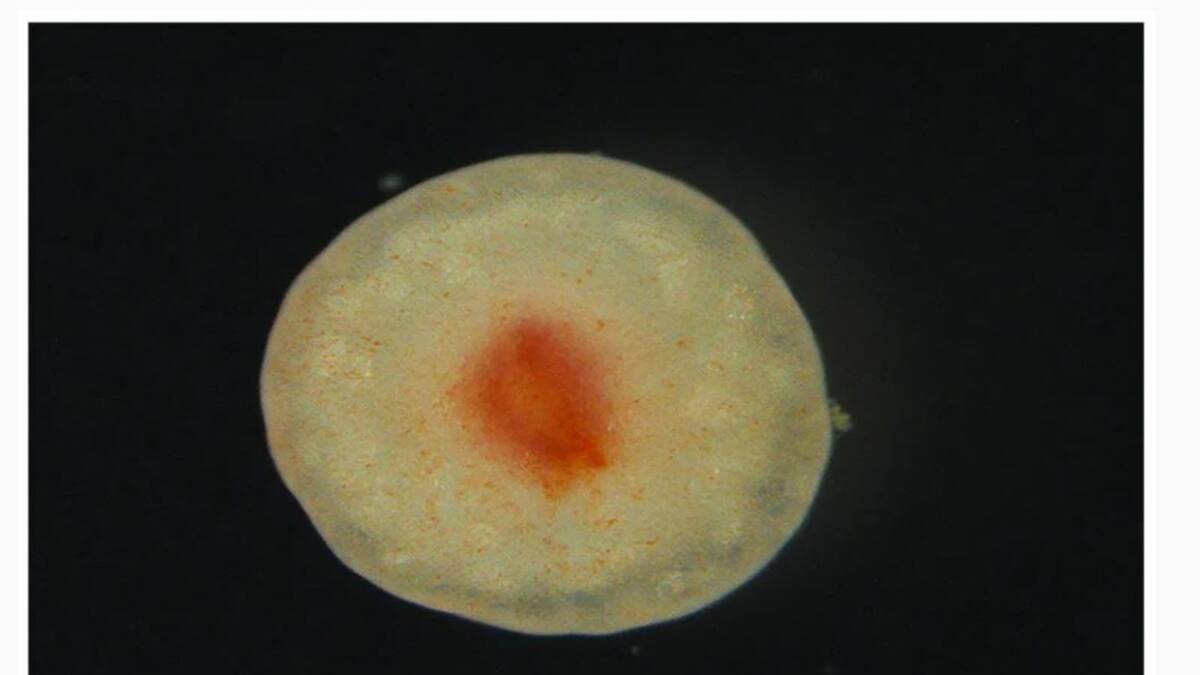
A fragment of a cold-water sea cucumber has done something most animal tissue cannot: it stayed alive, repaired itself, and kept growing for more than three years after amputation. The species is Psolus fabricii, and the finding came from researchers at Memorial University of Newfoundland working with senior scientist Rachel Sipler, after an apparently odd piece of tissue refused to die when they expected it to break down within weeks.
The result sounds like science fiction, but the setup was mundane. The team kept detached pieces of tube feet, tentacles, and body wall in ordinary seawater, with no special conditions, and watched them survive without a digestive system, blood supply, or nervous center. That alone makes the animal an outlier; in most species, separated tissue rapidly disintegrates and is gone.
What the sea cucumber tissue did in seawater
Instead of decaying, the samples closed wounds and showed signs of growth. The researchers believe the tissues may have kept their metabolism going by absorbing dissolved amino acids and other nutrients from the surrounding water. In other words, the cut-off pieces were not just hanging around; they were actively maintaining themselves.
- Species: Psolus fabricii
- Survival time after separation: more than three years
- Conditions: ordinary, non-sterile seawater
- Tissue types tested: tube feet, tentacles, and body wall
Why sea cucumber regeneration matters for research
Sea cucumbers already have a reputation for regeneration, but this goes beyond the familiar party trick of regrowing lost parts. The surprise here is persistence: fully detached tissue can preserve a usable structure for years, which suggests some cells may hold onto organization far longer than biologists assumed. That makes echinoderms even more interesting as a model for wound healing, and it gives regenerative medicine another strange but useful reference point.
The practical payoff is still distant, but the list of possible applications is easy to see: better wound treatment, antimicrobial materials, and new clues about tissue repair. The next question is less theatrical and more useful – which molecular switches let a severed piece of animal keep behaving like part of a living body for so long?