

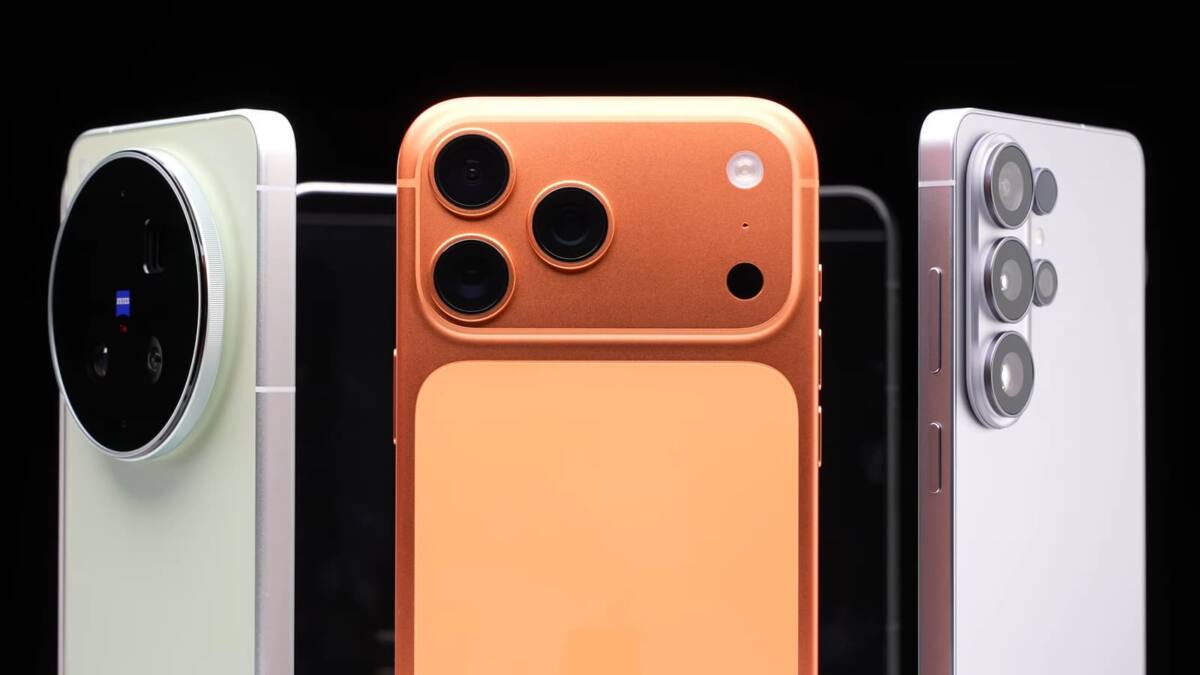
A new PhoneBuff speed test puts Samsung’s Galaxy S26 Ultra at the front of the 2026 flagship pack, while Google’s Pixel 10 Pro XL finished well behind the field. The result is a blunt reminder that raw chip power still decides the race when the workload stops being polite.
The test lined up seven top-end phones from Apple, Samsung, Google, OnePlus, Oppo, and Vivo, then ran them through app launches and heavier tasks, including AI-related jobs. That meant a direct look at Apple A19 Pro, Snapdragon 8 Elite Gen 5 in two versions, Dimensity 9500, and Tensor G5 under the same set of pressure points.
How the Galaxy S26 Ultra and Pixel 10 Pro XL were tested
PhoneBuff’s comparison covered Apple iPhone 17 Pro Max, Samsung Galaxy S26 Ultra, Google Pixel 10 Pro XL, OnePlus 15, Oppo Find X9 Pro, and Vivo X300 Ultra. Because the apps and workloads were mixed, the spread was not uniform: in some basics, the gap was around a second, while certain heavier tasks made the leaders and laggards much easier to spot.
That is where the Tensor G5 problem shows up again. Google keeps shipping a flagship phone that looks premium, but the chip inside still trails the best Android rivals by a wide margin, and this test gave that weakness a very public spotlight.
Galaxy S26 Ultra takes the win
The Galaxy S26 Ultra pulled ahead decisively in one of the tougher stages and used that cushion to hold onto the overall lead. Vivo’s flagship came home second, but the rest of the pack clustered fairly closely behind, with the Pixel 10 Pro XL drifting far off the pace.
- Winner: Samsung Galaxy S26 Ultra
- Runner-up: Vivo X300 Ultra
- Biggest disappointment: Google Pixel 10 Pro XL
- Gap from Galaxy to Pixel: more than 30%
For Samsung, this is the sort of result that sells itself: fastest phone, flagship label, no asterisks. For Google, it’s a familiar and awkward story. The Pixel line continues to lean on software polish and AI features, but benchmarks like this keep exposing the cost of a weaker silicon strategy. Expect that conversation to linger until Google changes the hardware equation, not just the marketing.