

Microsoft is making a fairly blunt claim: for most Windows 11 users, a third-party antivirus is no longer necessary. The company says its own Windows 11 security stack – led by Microsoft Defender – is now good enough to handle everyday threats without the baggage of extra background software, extra subscriptions, or the occasional system squabble that comes with a second security suite.
That’s a big shift from the Windows XP and Windows 7 era, when third-party names like Norton, McAfee, and Kaspersky were the default recommendation for anyone who didn’t want to become a cautionary tale. Windows 10 started changing that habit; Windows 11 is Microsoft’s attempt to close the argument for good.
Windows 11 security with Microsoft Defender
Microsoft is not selling Defender as magic. The pitch is simpler: the protection already built into Windows 11 is integrated, automatically updated, and designed to work with the operating system instead of sitting on top of it like an extra layer of suspicion. That matters because security tools are only helpful until they start slowing machines down or tripping over one another.
The company says Defender combines:
- Real-time scanning
- Behavioral monitoring
- Cloud-based protection
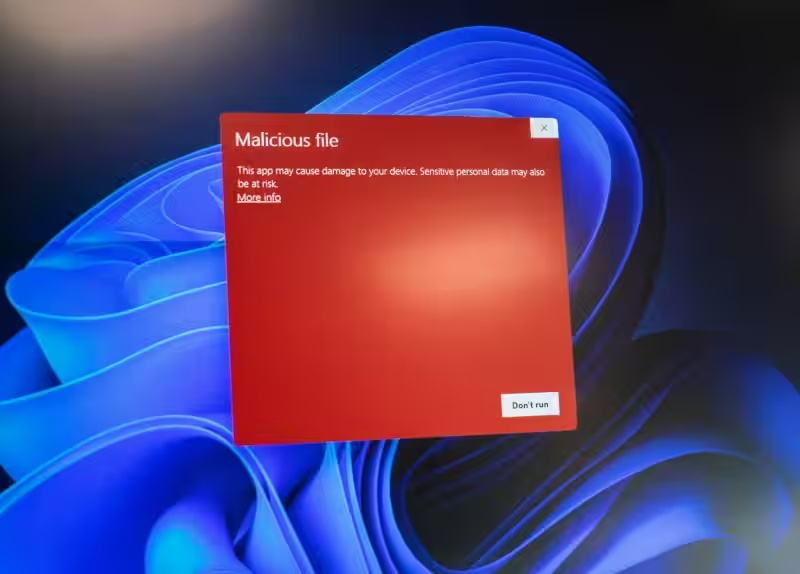
- SmartScreen for checking the reputation of websites, downloads, and apps
- Smart App Control for blocking unsigned or unfamiliar software
- Controlled Folder Access for ransomware protection around folders such as Documents, Desktop, and OneDrive
Why third-party antivirus still survives
There are still reasons people buy security suites, and Microsoft knows it. In corporate environments, centralized management and deeper threat monitoring can justify extra software. Families may want bundled parental controls, and some users prefer all-in-one packages that mix antivirus, privacy tools, and VPN features into one bill.
Outside those use cases, the old antivirus habit looks increasingly like muscle memory. Adding another security package usually means more services running in the background, more memory and CPU use, and a higher chance of clashes with Windows’ own protection. Meanwhile, PC makers still preload products like McAfee because those deals help offset hardware costs. Convenience, as ever, has a price tag hidden somewhere.
The test scores Microsoft wants you to remember
Microsoft is backing its argument with third-party testing, which is the right move if you want to sound less like a salesperson and more like a platform owner with receipts. In AV-Test, Defender received 6 out of 6 points for protection, usability, and performance. AV-Comparatives has also rated it between 98.5% and 100% in real-world protection tests, putting it in the same conversation as major paid rivals.
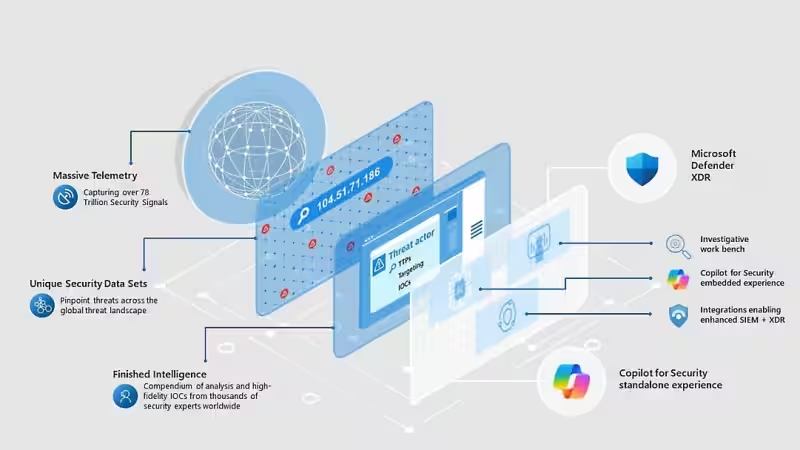
That performance matters more now because attackers are using AI to write more convincing phishing emails, generate malware, and hide malicious code inside files. Microsoft says Defender and the wider Windows security stack respond by looking at behavior, infrastructure, messaging patterns, and context – a much better fit for modern attacks than a simple scan-and-pray model.
A safer Windows 11 and fewer reasons for preloads
The real winner here is Microsoft, because a secure default makes Windows 11 easier to defend and easier to sell. The loser is the old assumption that protection has to come from a separate box, a separate app, or a separate annual fee. That assumption lasted for decades, but it is getting thinner every year.
Expect the next fight to be less about basic antivirus and more about extras: identity protection, VPN bundles, parental controls, and enterprise dashboards. The core question for most people is no longer ”Do I need antivirus?” It is ”Do I need anything beyond what Windows already gives me?”