

Software may be the only part worth salvaging
The companies are still leaving the door open to cooperation in software, especially as advanced driver-assistance systems become more common. That is the part of the story that still makes sense: Sony brings electronics and digital know-how, while Honda brings the vehicle engineering. The hardware dream may be fading, but the software angle is where both sides can still pretend this was a strategic relationship rather than an expensive flirtation.
There is also a wider industry pattern here. In the US, EV demand has been slowing as rules for combustion cars loosen and subsidies disappear. In China, buyers are increasingly shopping for software and features rather than old-school car virtues like fuel economy or cabin size. That environment tends to favor faster-moving newcomers, which makes slow-burn joint ventures look even clunkier.
What happens to Afeela now
The honest answer is that Afeela now looks less like a car brand in waiting and more like a cautionary label on the limits of cross-industry ambition. Sony and Honda have not said the joint venture is dead, which leaves room for a revived role, probably in software or driver-assistance tech. But if the companies could not make the original EV plan work in this market, the odds of a grand comeback are not exactly cheering.
- Afeela 1 and Afeela 2 are off the development-and-launch path.
- Sony Honda Mobility will cut operations to the minimum.
- Employees will be moved to Sony or Honda based on preference.
Software may be the only part worth salvaging
The companies are still leaving the door open to cooperation in software, especially as advanced driver-assistance systems become more common. That is the part of the story that still makes sense: Sony brings electronics and digital know-how, while Honda brings the vehicle engineering. The hardware dream may be fading, but the software angle is where both sides can still pretend this was a strategic relationship rather than an expensive flirtation.
There is also a wider industry pattern here. In the US, EV demand has been slowing as rules for combustion cars loosen and subsidies disappear. In China, buyers are increasingly shopping for software and features rather than old-school car virtues like fuel economy or cabin size. That environment tends to favor faster-moving newcomers, which makes slow-burn joint ventures look even clunkier.
What happens to Afeela now
The honest answer is that Afeela now looks less like a car brand in waiting and more like a cautionary label on the limits of cross-industry ambition. Sony and Honda have not said the joint venture is dead, which leaves room for a revived role, probably in software or driver-assistance tech. But if the companies could not make the original EV plan work in this market, the odds of a grand comeback are not exactly cheering.
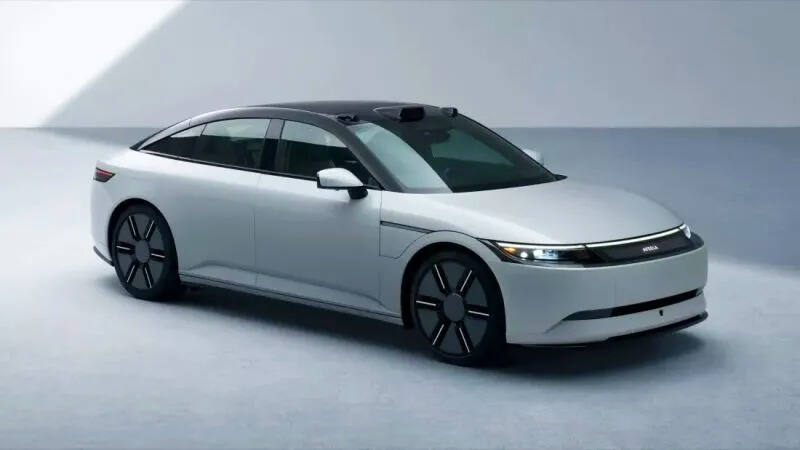
Sony and Honda are effectively winding down their joint electric-car venture after deciding that Afeela is no longer worth pushing ahead with in its original form. The companies are not killing the joint venture outright, but Sony Honda Mobility is heading into a stripped-down future, with most activity halted and staff redirected into parent-company roles.
That is a sharp turn for the Afeela EV project, which was supposed to give Sony a serious automotive foothold and Honda a more software-heavy EV partner. Instead, the market is doing what it often does to ambitious car plans: rewarding caution over storytelling, especially when the economics are getting uglier by the quarter.
Sony Honda Mobility is being reduced to a shell
In a joint statement, the companies said Sony Honda Mobility will significantly scale back its operations and transfer employees to Sony or Honda according to individual preferences. The venture is not being formally dissolved yet, but the everyday business that would normally keep a new automaker moving is, for now, effectively over.
The shift follows an earlier admission that the partners would abandon plans to launch and develop Afeela 1 and Afeela 2. That alone tells you the problem is bigger than one model lineup. If a joint venture cannot commit to even the next two vehicles, it is usually a sign that the business case has lost the argument.
Honda’s EV reset is the real reason
The clearest pressure point is Honda’s own change of strategy. On 12 March, the company said it expected a net annual loss of up to 690 billion yen (€3.69 billion), a brutal reversal from its earlier forecast of €1.6 billion in profit. Under that kind of strain, a pricey side project with Sony starts looking less like innovation and more like a luxury habit.
Honda has also dropped several electric models intended for the US, including the Honda 0 SUV, Honda 0 Saloon, and Acura RSX. Launching those cars, and keeping the Sony partnership alive at full speed, would have piled more risk onto an already shaky balance sheet. The company pointed to US tariffs on ICE and hybrid cars, plus weaker competitiveness in Asia, as it shifts resources toward EV production.
- Afeela 1 and Afeela 2 are off the development-and-launch path.
- Sony Honda Mobility will cut operations to the minimum.
- Employees will be moved to Sony or Honda based on preference.
Software may be the only part worth salvaging
The companies are still leaving the door open to cooperation in software, especially as advanced driver-assistance systems become more common. That is the part of the story that still makes sense: Sony brings electronics and digital know-how, while Honda brings the vehicle engineering. The hardware dream may be fading, but the software angle is where both sides can still pretend this was a strategic relationship rather than an expensive flirtation.
There is also a wider industry pattern here. In the US, EV demand has been slowing as rules for combustion cars loosen and subsidies disappear. In China, buyers are increasingly shopping for software and features rather than old-school car virtues like fuel economy or cabin size. That environment tends to favor faster-moving newcomers, which makes slow-burn joint ventures look even clunkier.
What happens to Afeela now
The honest answer is that Afeela now looks less like a car brand in waiting and more like a cautionary label on the limits of cross-industry ambition. Sony and Honda have not said the joint venture is dead, which leaves room for a revived role, probably in software or driver-assistance tech. But if the companies could not make the original EV plan work in this market, the odds of a grand comeback are not exactly cheering.