

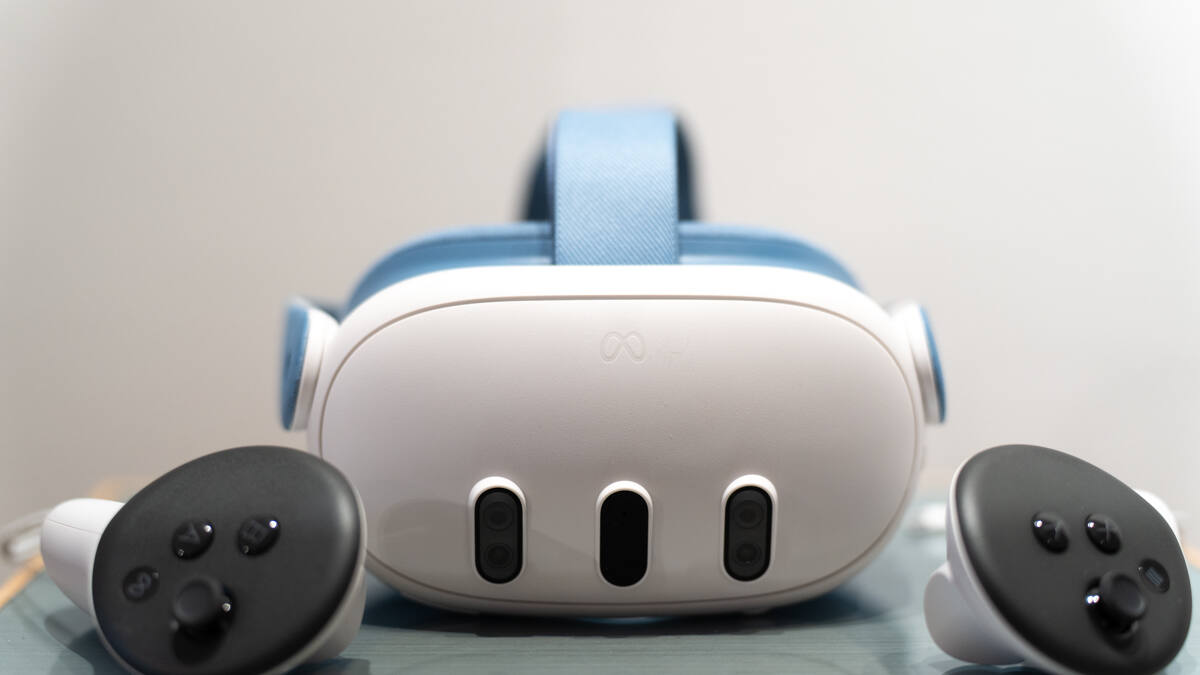
Meta is nudging up the price of its Quest headsets, blaming a sharp rise in memory chip costs that is now hitting consumer electronics across the board. The increase lands on April 19 and affects both the Quest 3 and the cheaper Quest 3S, which had been one of the more aggressively priced mixed-reality options on the market.
The new Meta Quest headset prices are simple, if unpleasant: the Quest 3S (128GB) rises by $50 to $349.99, the Quest 3S (256GB) goes to $449.99, and the Quest 3 jumps by $100 to $599.99. Meta says refurbished Quest units will follow the same updated pricing, while accessories stay put.
Quest 3 and Quest 3S new prices
- Meta Quest 3S (128GB): $349.99, up $50
- Meta Quest 3S (256GB): $449.99, up $50
- Meta Quest 3: $599.99, up $100
- Updated pricing starts April 19
Meta’s explanation is basically the same one you keep hearing from hardware makers lately: memory is expensive, and everyone is paying for it. That puts the Quest line in the same bucket as recent price moves from Samsung, Microsoft, and Sony, which is a polite way of saying the entire hardware business is discovering that component shortages still have opinions.
Why the Meta Quest price hike is happening now
The timing is awkward for Meta because the Quest 3S was designed to keep the headset family more accessible while still pushing the mixed-reality pitch forward. A $50 bump is manageable; a $100 jump on the Quest 3 is harder to shrug off, especially when cheaper headsets often win by being the easy yes at checkout.
Meta says the higher costs are tied specifically to memory chips, and that the change is meant to preserve the quality of the hardware, software, and support around the Quest platform. Whether shoppers buy that argument depends on how badly they wanted a headset before opening the product page, but the bigger signal is clearer: VR hardware is no longer insulated from the same parts-market volatility that has already squeezed phones, consoles, and PCs.
What could happen next for Quest headset prices
If memory prices keep climbing, more headset makers will probably face the same choice Meta just made: absorb the cost and hurt margins, or pass it on and risk slowing demand. Meta can still lean on software updates and ecosystem polish, but the cheapest path into its headset lineup just got less inviting, and competitors will be happy to use that opening.