

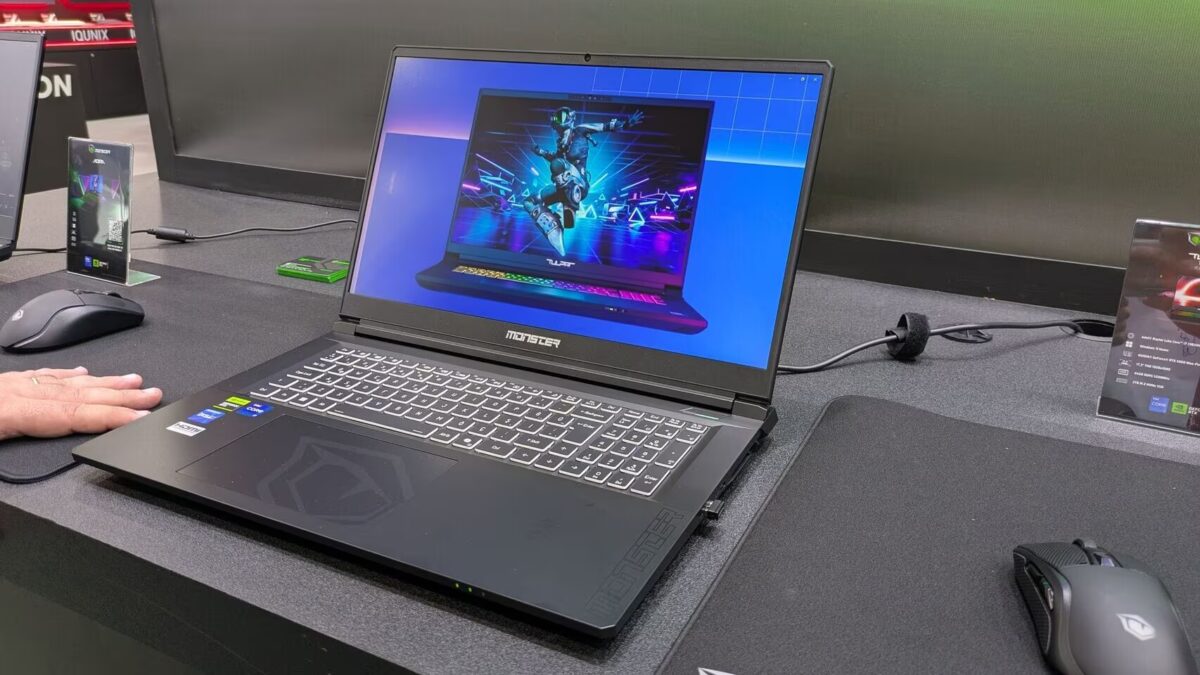
Computex 2026 wrapped up with a flood of new laptops, desktops, components, and gadgets-but what really caught eyes were the oddballs. From spider-inspired Wi-Fi routers to gaming mice with tiny fans, the show delivered plenty of products that seemed designed less for practicality and more to make visitors stop and stare.
While some of these gadgets might not be must-haves or powerhouses, they all share unique twists that set them apart from the usual tech fare.
ASUS ROG Rapture GT-BN98 Pro Wi-Fi 8 router with spider-like design
The ASUS ROG Rapture GT-BN98 Pro Wi-Fi 8 router looks like it crawled out of a sci-fi game, sporting an almost alien spider appearance that’s a far cry from your typical chunky home router.
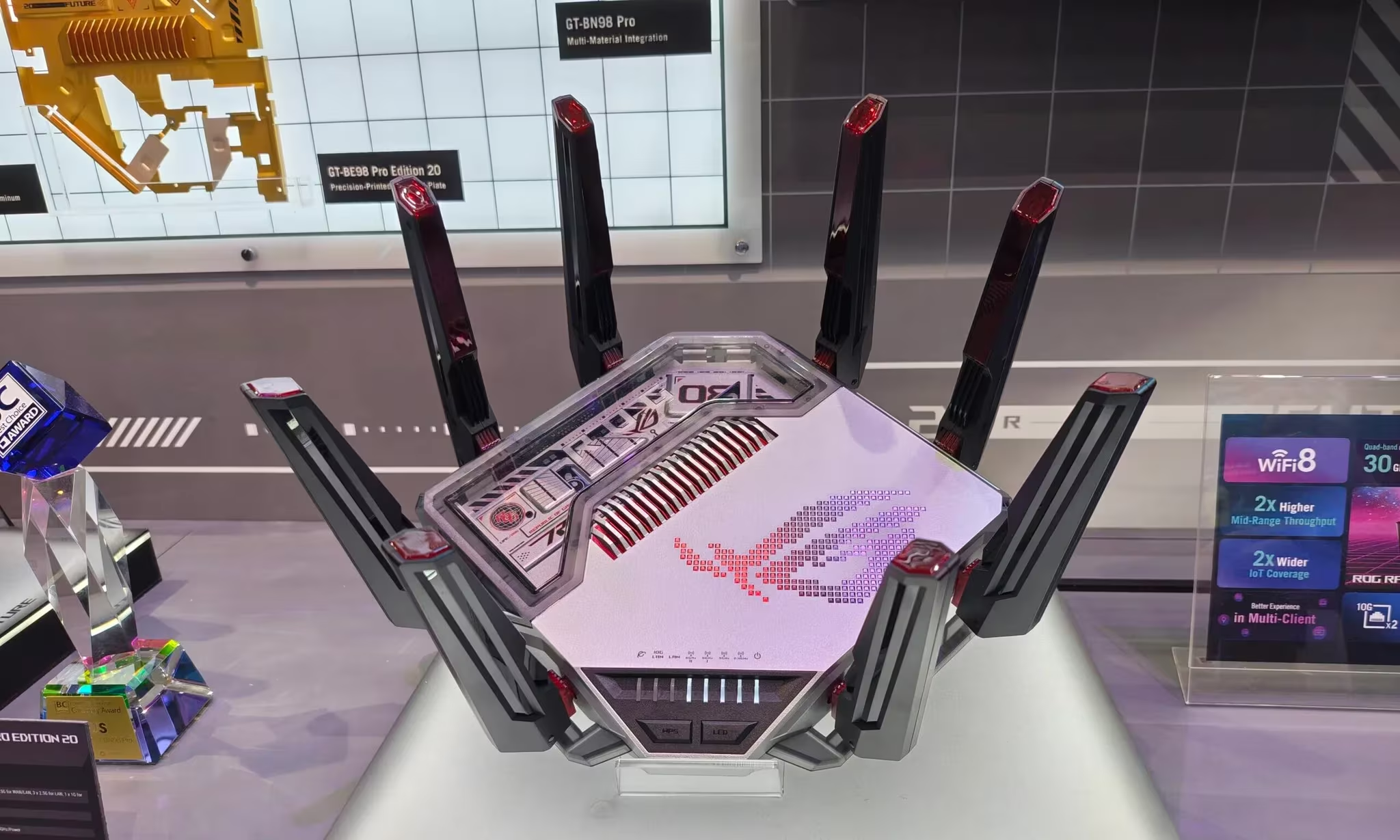
But beyond the cosmetic quirks, the real headline is its Wi-Fi 8 capabilities. Most households are still catching up to Wi-Fi 6 or 7, but Wi-Fi 8 shifts focus from raw speed to connection reliability and efficiency.
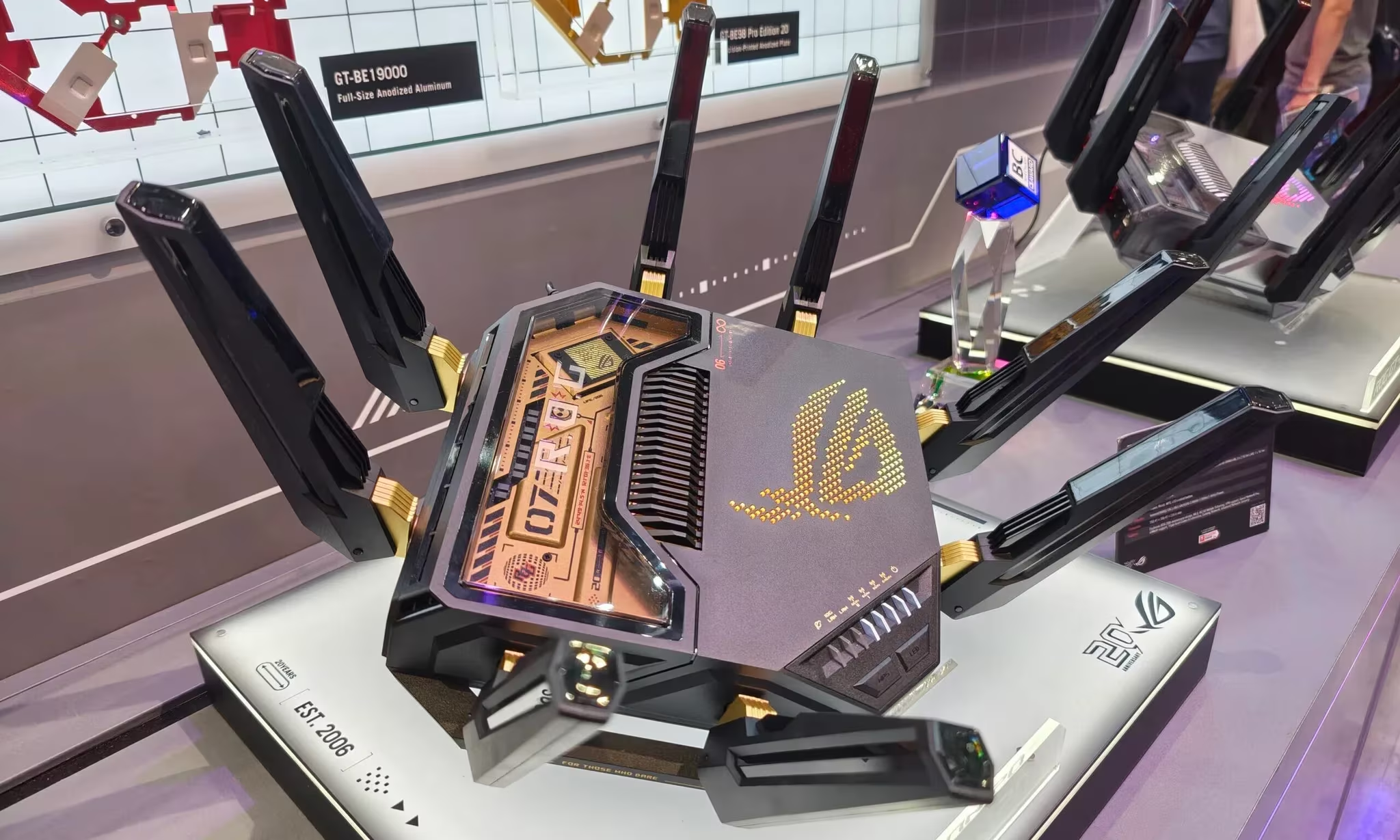
This router packs adaptive QoE for smart traffic prioritization, Wi-Fi Insight for real-time network monitoring, AI-powered gaming support, and dual 10G ports. Do most users need Wi-Fi 8 today? Not at all. But as a future-ready centerpiece for gamers, it’s a fascinating peek at what’s coming next in home networking.
Pulsar Feinmann F01 Noctua Edition gaming mouse with built-in fan
The Pulsar Feinmann F01 Noctua Edition is exactly the kind of quirky gadget that makes Computex intriguing-a gaming mouse featuring a tiny, built-in Noctua cooling fan.
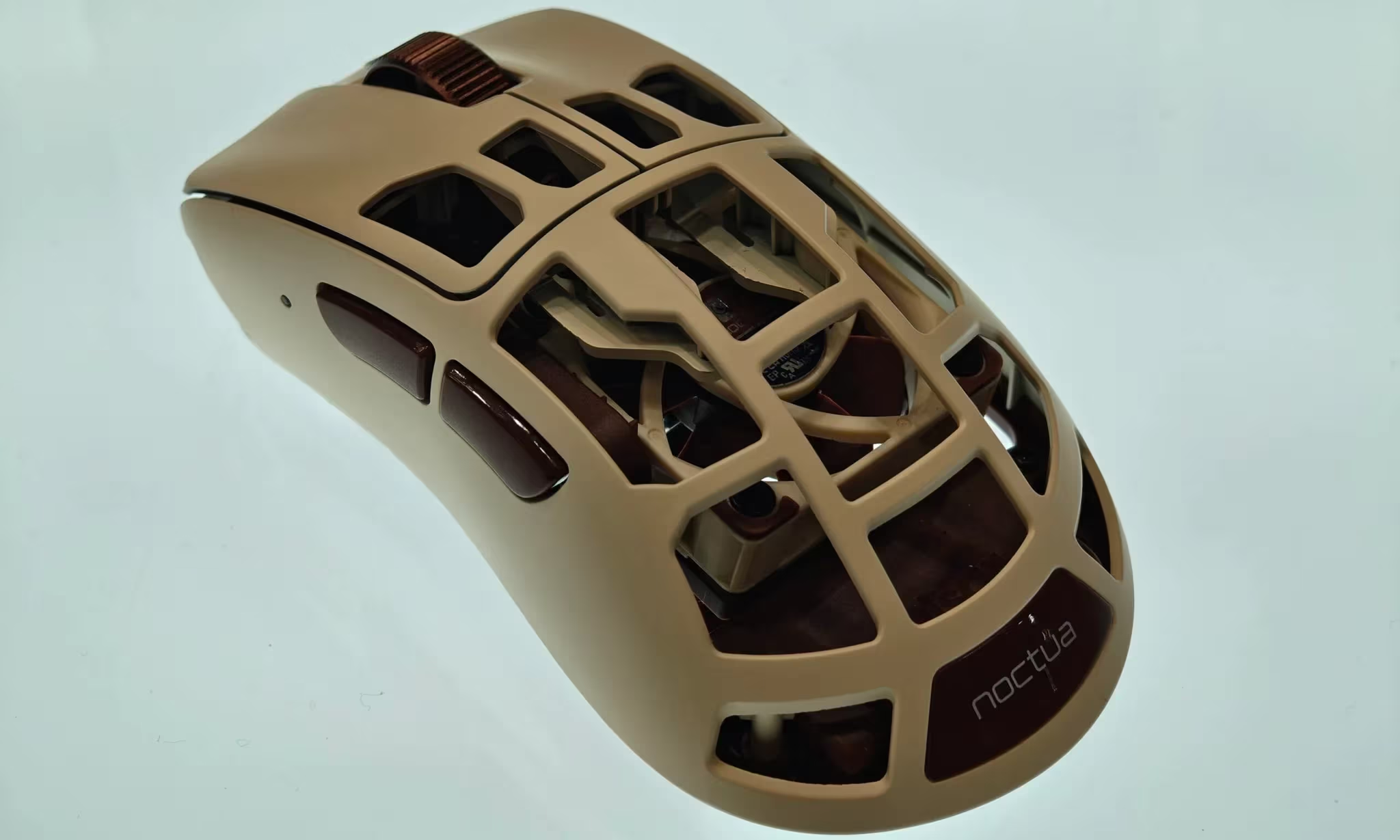
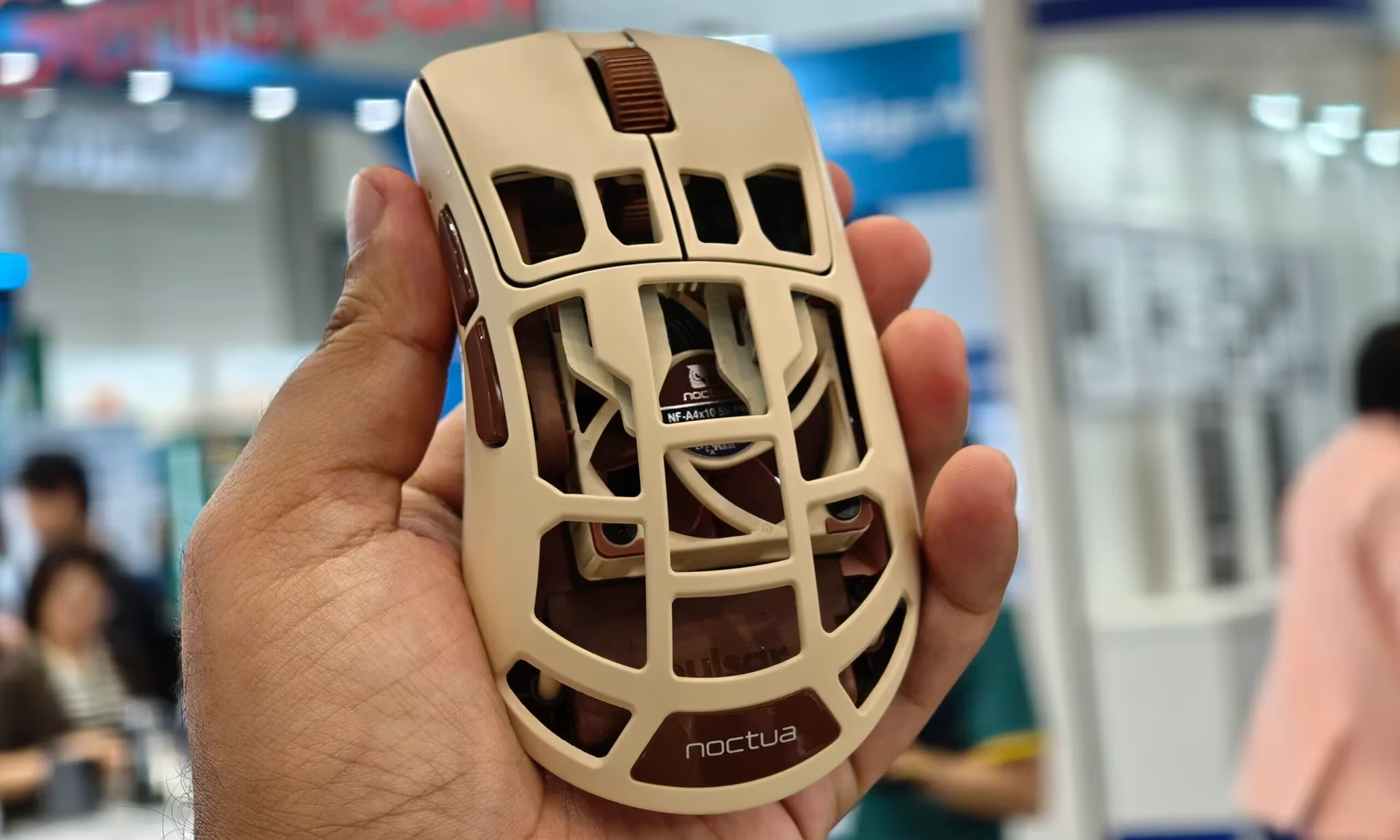
Based on the Feinmann F01 Pulsar chassis, this mouse weighs slightly more thanks to a 5V PWM-powered Noctua NF-A4x10 fan. It features a 42,000 DPI sensor and a staggering 8K polling rate. The tiny fan spins up to 5,000 RPM but stays whisper-quiet, blowing a gentle breeze over your palm to keep sweat at bay during marathon gaming sessions. It’s a niche idea, but one that players might grow to appreciate over time.
Alienware AW3926QW 39-inch curved 5K2K OLED gaming monitor
Alienware’s AW3926QW was among Computex’s most eye-catching displays. This 39-inch curved OLED gaming monitor offers a 5120×2160 (”5K2K”) resolution with a premium RGB stripe OLED panel, priced at $1,099. Expensive, yes, but the panel’s sharpness and color fidelity justify the tag.
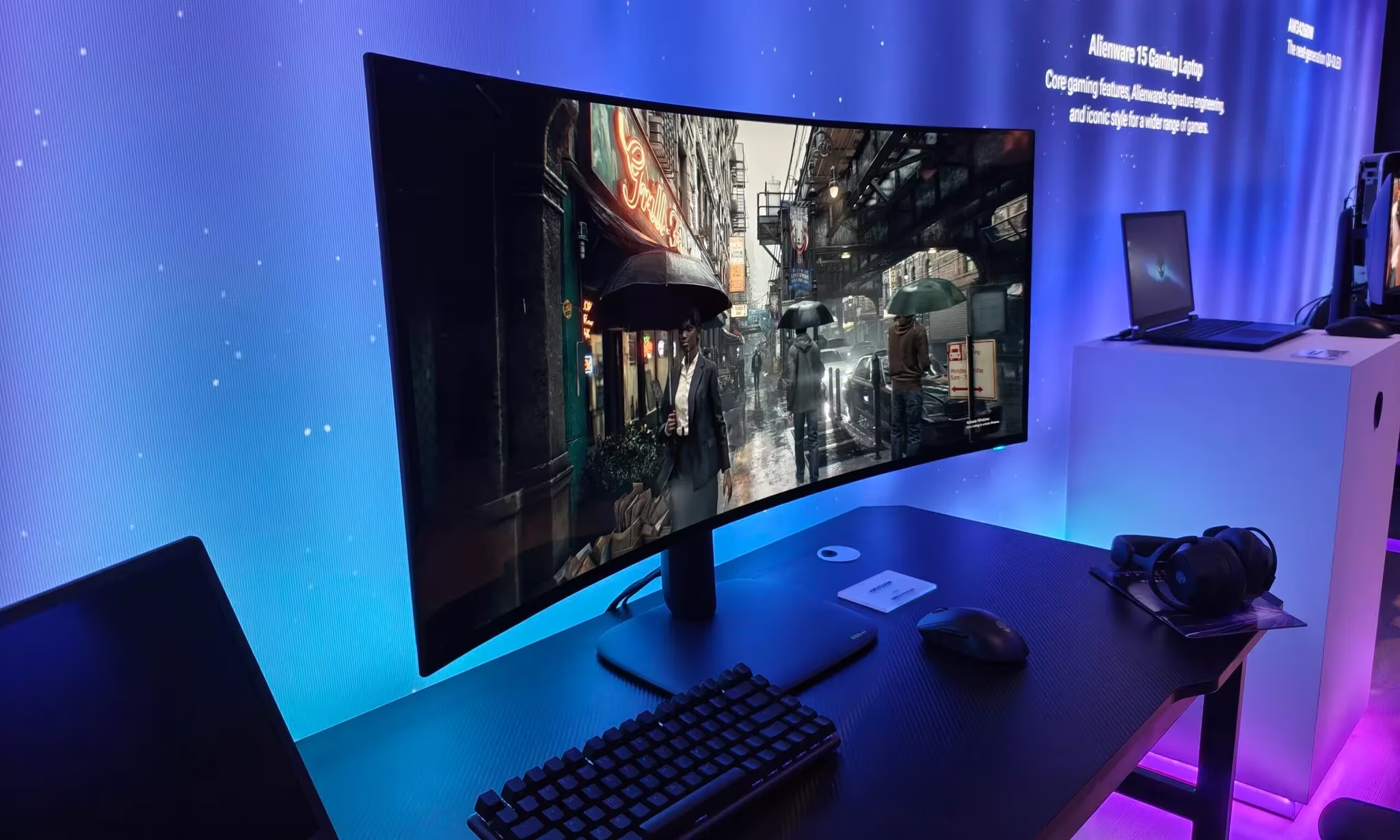
The RGB stripe layout improves text clarity and color over older OLEDs. It runs at a 165Hz refresh rate, but you can switch to a 27-inch ”tournament mode” that crops the screen with black bars, drops the resolution to 2560×1080, and pushes refresh rate up to 330Hz-ideal for esports.
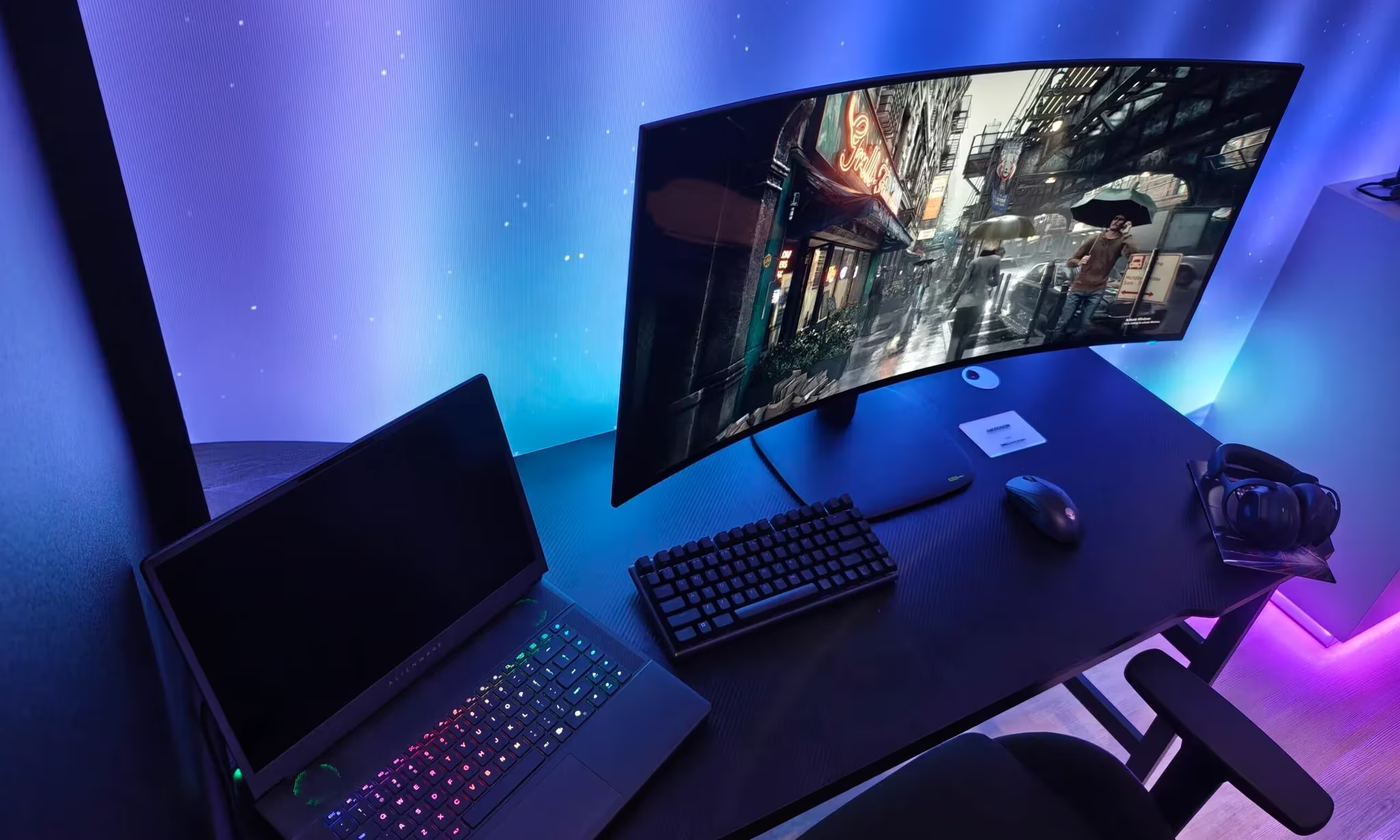
This flexibility lets you switch from immersive cinematic gaming or productivity on a giant curved screen to a sharp, ultra-fast competitive gaming setup in seconds.
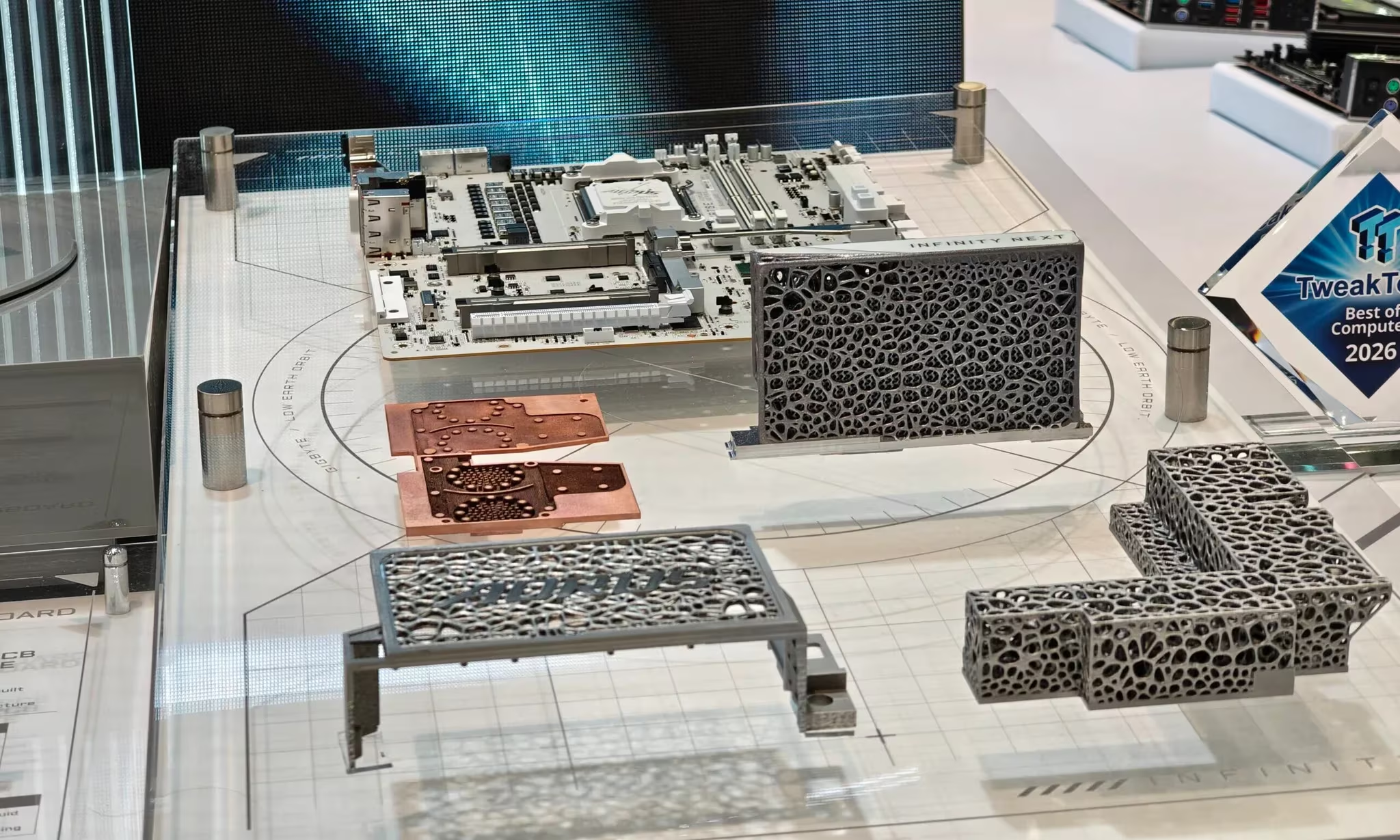
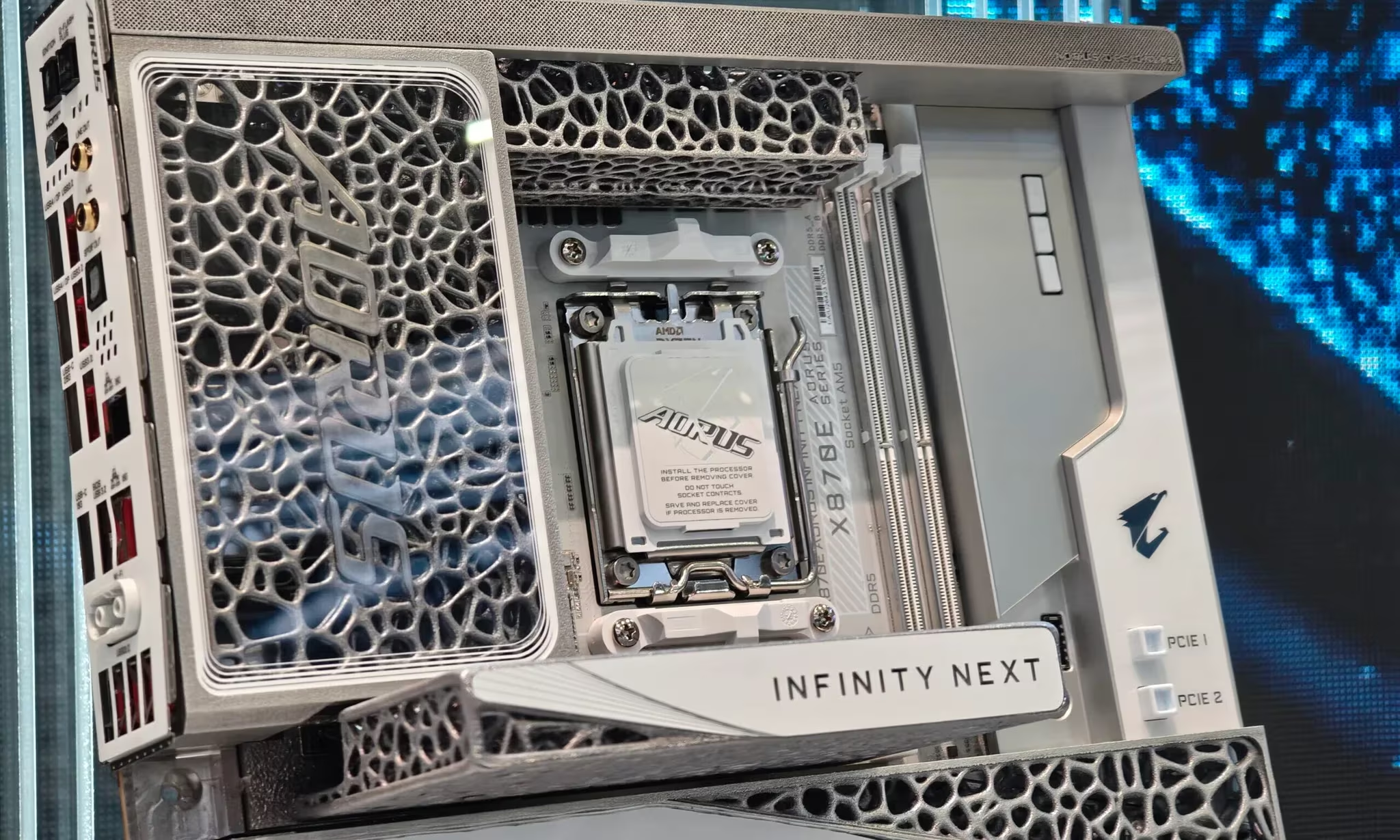
Gigabyte X870E AORUS INFINITY NEXT motherboard with 3D-printed cooling
To celebrate its 40th anniversary, Gigabyte unveiled the gargantuan X870E AORUS INFINITY NEXT motherboard, grabbing attention with its hollow, organic-looking structures that seem ripped from biotech fiction.
Those aren’t just for show-they’re advanced heat sinks created using state-of-the-art metal 3D printing and aerospace-grade thermal materials designed for heat dissipation in tight, low-airflow environments like lower Earth orbit.
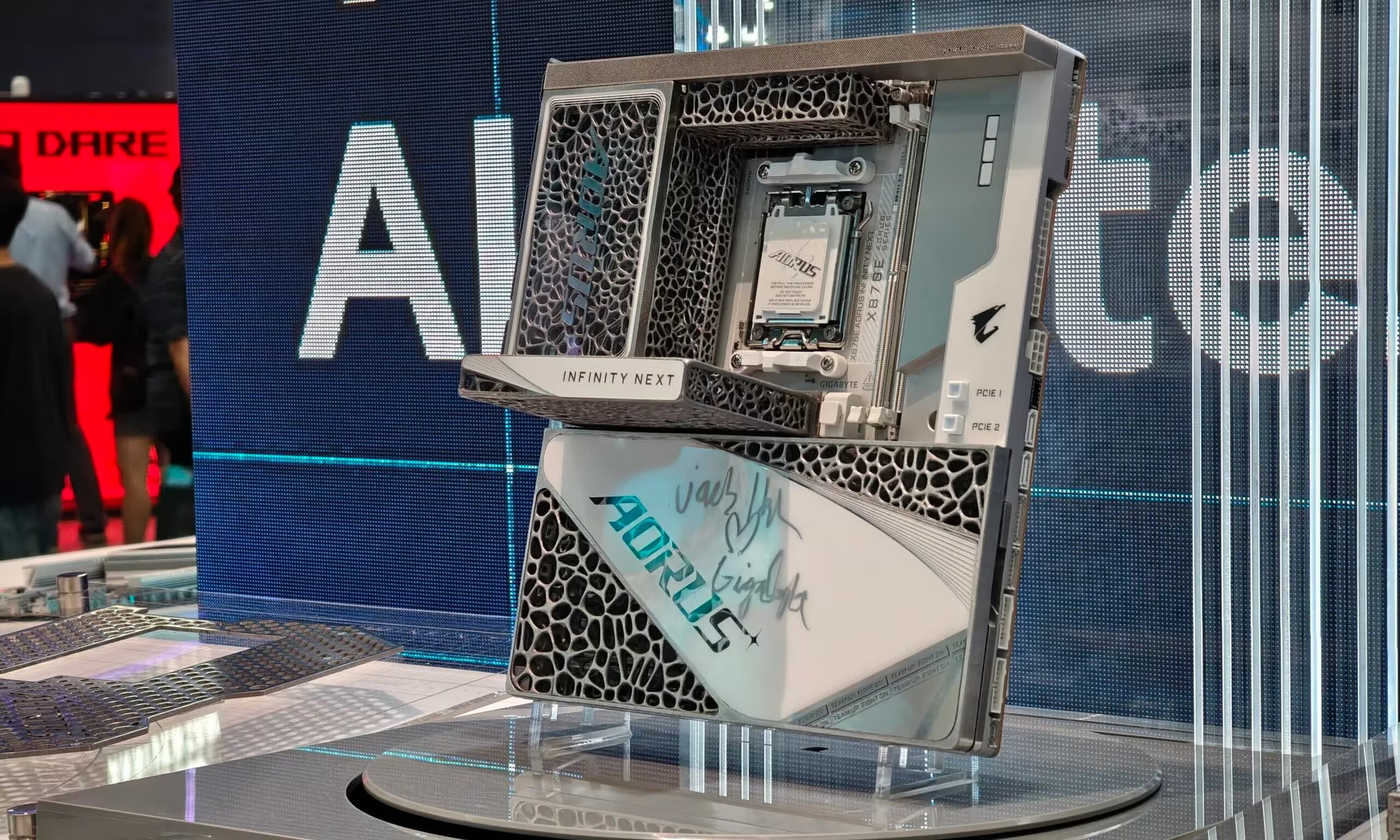
Designed to operate in cramped spaces without airflow, these heat sinks solve a tough thermal challenge. Gigabyte also 3D-printed an evaporative chamber for the chipset and used a honeycomb-style metal backplate to maximize cooling efficiency.
The power delivery system is no less extreme: 64-phase VRM with Quad OptiMOS tech optimized for data centers and space applications, pushing a staggering maximum current of 5120A. This kind of power is way overkill for gaming PCs-this board is more a showcase of engineering muscle than a practical consumer product.
Gigabyte hasn’t announced if or when this motherboard will hit the retail market, but the manufacturing cost alone reportedly stands near $3,000.
While Computex’s biggest names often compete with Apple, Intel, and Nvidia on innovation and performance, these wild projects showcase a willingness among Taiwanese PC makers to push boundaries and experiment with new tech and designs. The ASUS Wi-Fi 8 router and Alienware’s adaptable OLED monitor hint at future directions in gaming gear, while Gigabyte’s extreme motherboard blurs the line between engineering marvel and practical product.
Moving forward, it will be telling to see which of these eye-catching concepts evolve into real-world products and which remain prototypes destined to inspire final-gen devices down the line. Meanwhile, the blending of practical advances with eccentric designs at Computex 2026 suggests a tech event that’s as much about spectacle as it is about substance.