


Gym memberships aren’t a must-have to stay fit in 2026. Mobile fitness apps offer an accessible, flexible way to work out anywhere – whether you’re at home or hitting the gym.
These fitness apps tailor workouts to your goals, equipment availability, and experience level. Some mimic a personal trainer, others provide thousands of ready-to-go sessions, and a few focus on specialized activities like yoga or marathon training.
Here’s a rundown of the top fitness apps this year, highlighting what makes each stand out – and where they fall short.
Nike Training Club: The best all-around free fitness app
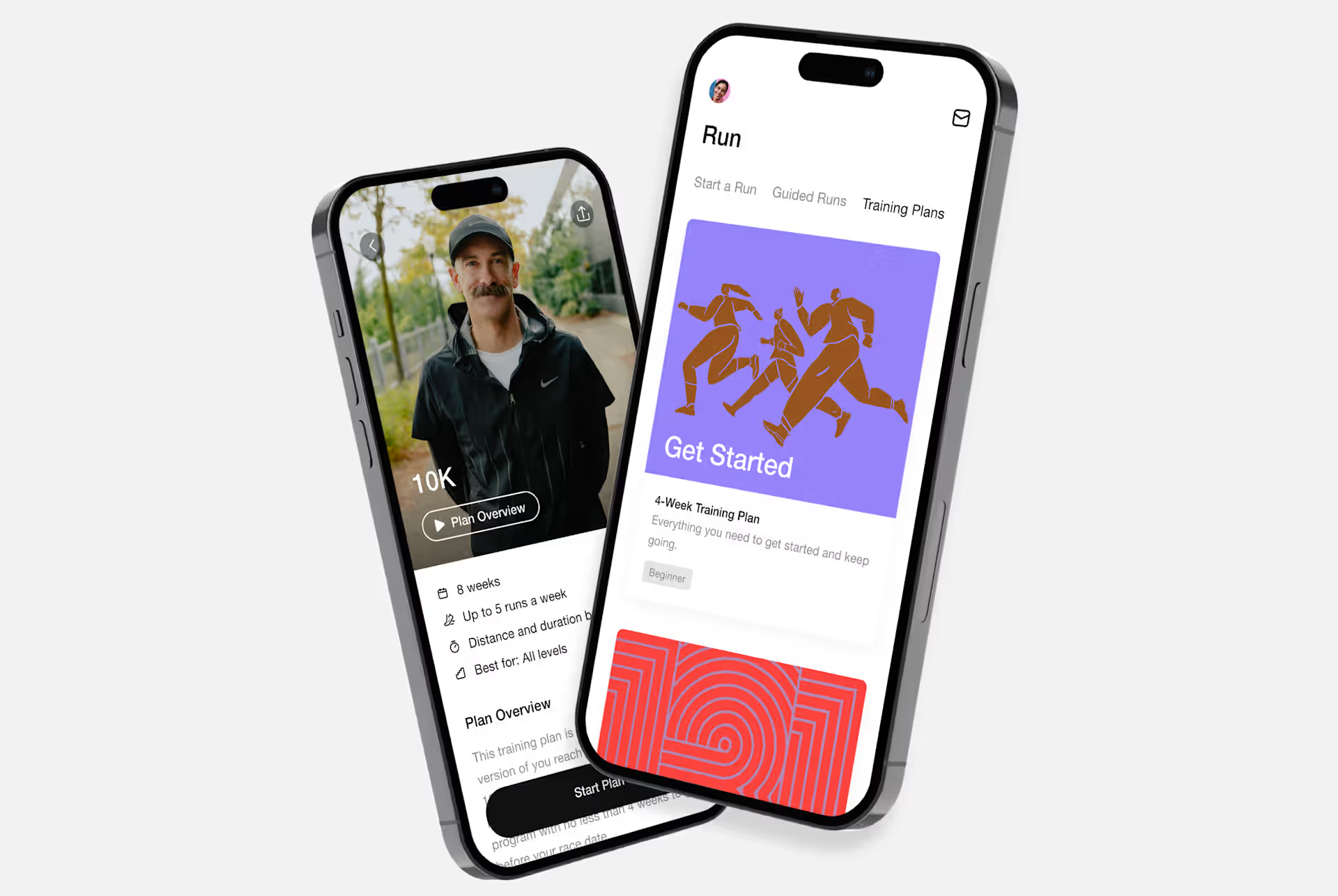
If you want a free, versatile fitness app, Nike Training Club remains one of the best bets. It offers an extensive library of workout types including:
- HIIT (high-intensity interval training)
- Strength training programs
- Yoga sessions
- Mobility exercises
- Bodyweight workouts
- Multi-week training plans
You pick your workout frequency and course length. Many workouts draw inspiration from star athletes like Simone Biles and Serena Williams.
Pros:
- Completely free
- Wide variety of workouts
- Great for both home and gym training
- Integrates with Apple Watch for tracking
Cons:
- Limited personalization
- Less feature-rich if you don’t use Apple Watch
- Not ideal for focused strength gains
Best suited for people who want a mix of workout styles without getting tied down to a single program.
Future Pro: Personal training in your pocket

Future Pro gets closest to the experience of having a personal coach. Upon signing up, you’re matched with a professional trainer who designs a custom program and tracks your progress continuously.
Workouts adapt to your:
- Fitness level
- Goals
- Available equipment
- Physical capabilities
Your coach updates the plan daily and stays in touch through the app.
Pros:
- Fully individualized training approach
- Continuous feedback from a real trainer
- Suitable for home or gym workouts
- Available on both iPhone and Android
Cons:
- Expensive-around $200 per month
- No group classes available
Ideal for anyone looking to ditch the gym trainer but still wants personalized coaching through their phone.
Peloton App One: Access thousands of fitness classes without a bike
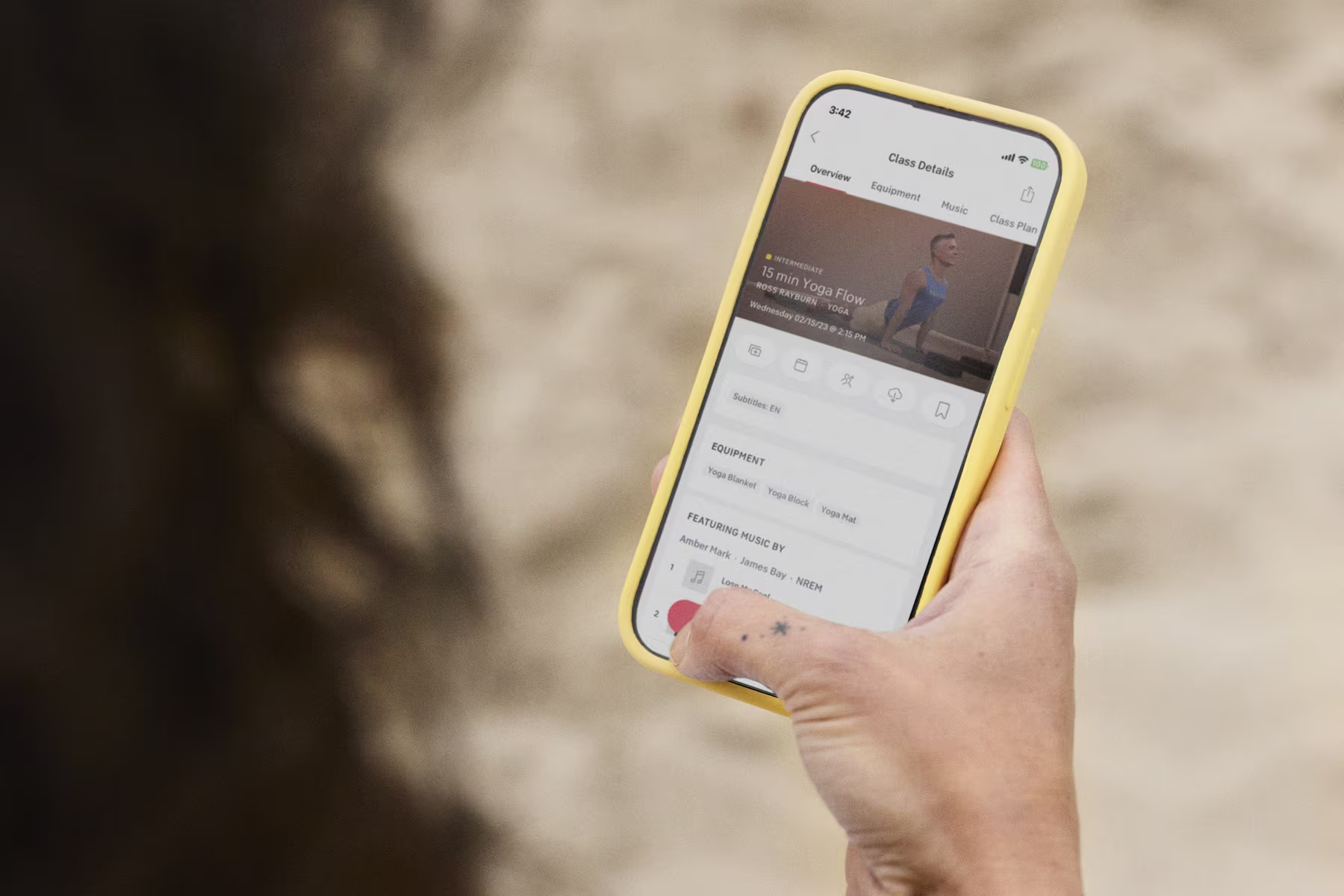
Even if you don’t own Peloton’s hardware, their app offers a huge range of workouts:
- Cycling classes
- Running workouts
- Strength training
- Yoga sessions
- Pilates classes
- Stretching routines
Sessions vary from quick 10-minute bursts to full-length hour programs.
Pros:
- Strong brand reputation
- Energetic, motivating instructors
- First-month free trial
- Works on smartphones, smart TVs, and tablets
Cons:
- Limited personalization in app-only mode
- Full experience requires Peloton hardware
The subscription costs about $13 per month without the need to buy equipment.
Strava: The go-to app for runners and cyclists
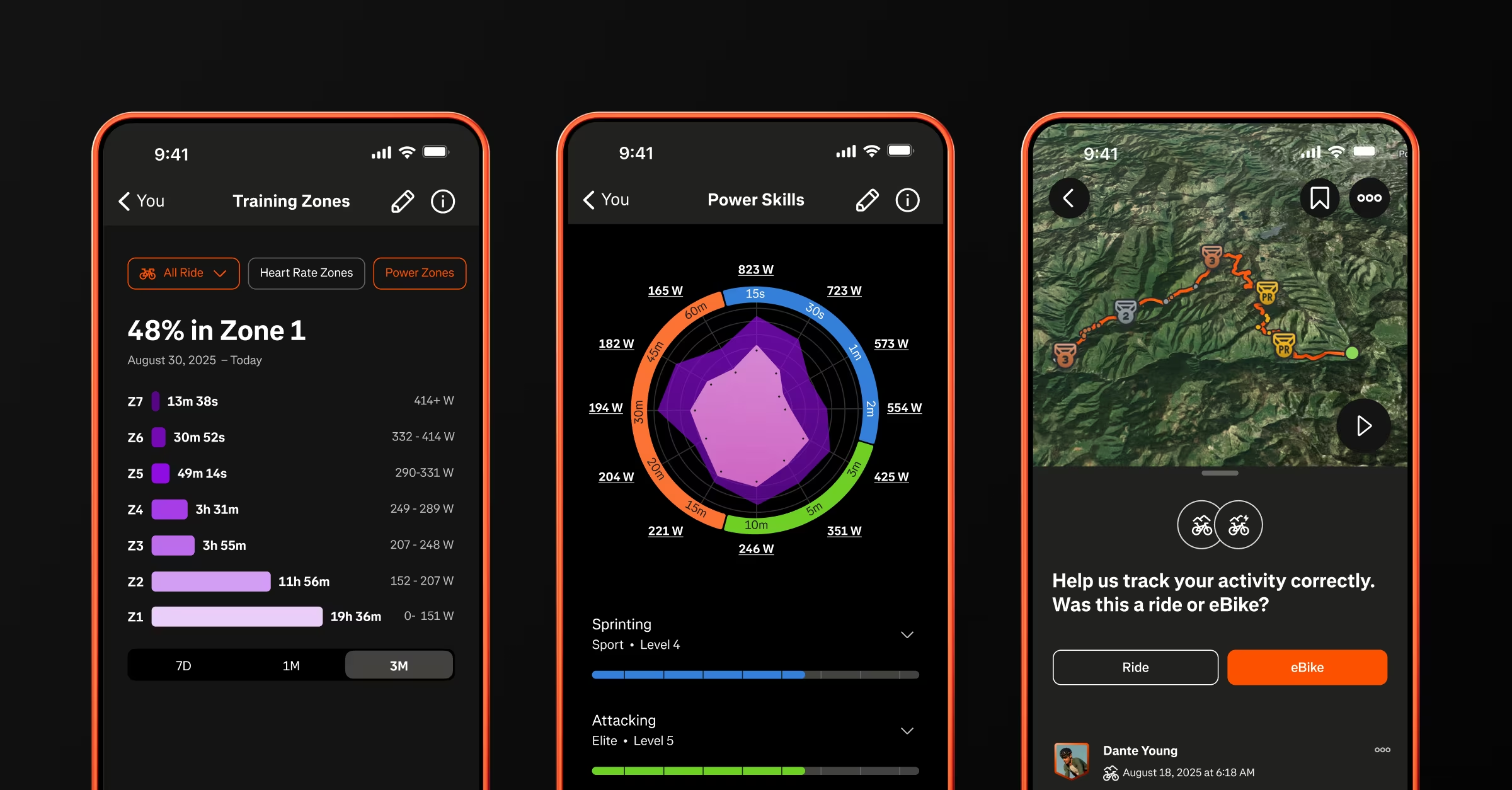
Strava remains a top choice if your focus is logging and analyzing your runs or bike rides. It uses GPS and pairs with most major fitness devices:
- Apple Watch
- Garmin
- Fitbit
- Suunto
- Whoop, and others
Strava also doubles as a social network, letting you share results, compete with friends, and even use its Beacon feature to share live locations with trusted contacts.
Pros:
- Free basic plan
- Powerful analytics
- Social and community features
- Supports a wide range of fitness trackers
Cons:
- Occasional GPS inaccuracies
- Not designed for strength training fans
Paid plans start at about $12 per month for deeper insights.
Sweat: Female-focused fitness app with a community vibe
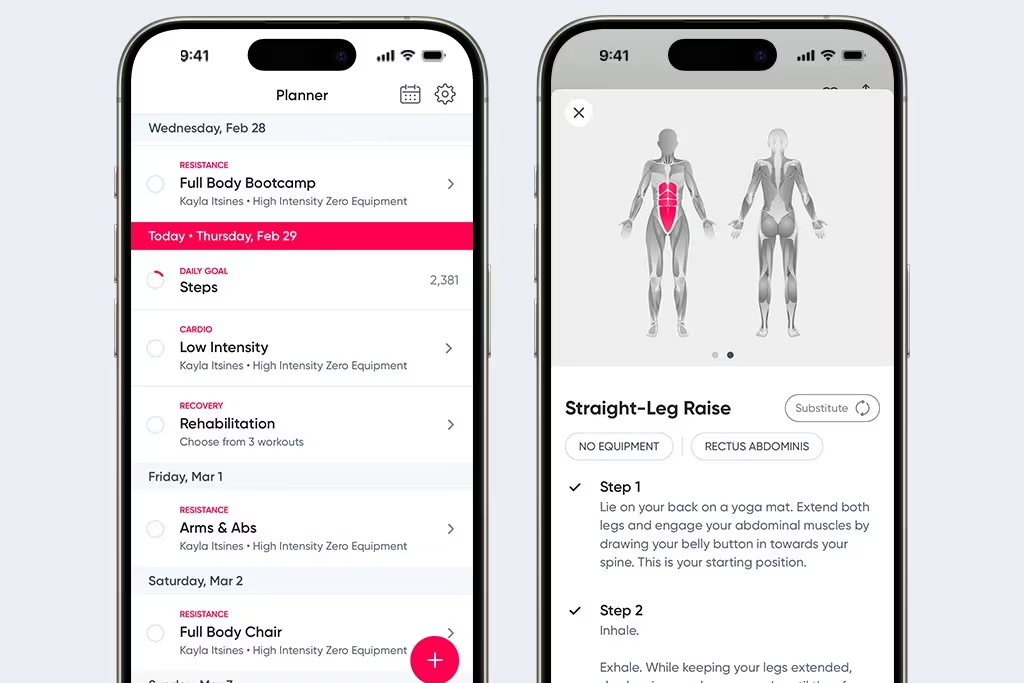
Created by Australian trainer Kayla Itsines, Sweat mainly targets women and offers:
- Strength training
- HIIT
- Yoga
- Pilates
- Barre classes
- Boxing workouts
The app also provides meal plans and healthy recipes.
Pros:
- Programs led by female trainers
- Active global community
- Relatively affordable subscription
Cons:
- Lacks deep personalization
- Focuses heavily on high-intensity workouts
- No guidance on exercise form
Subscription costs about $25 per month.
Ladder: Strength training app for serious lifters
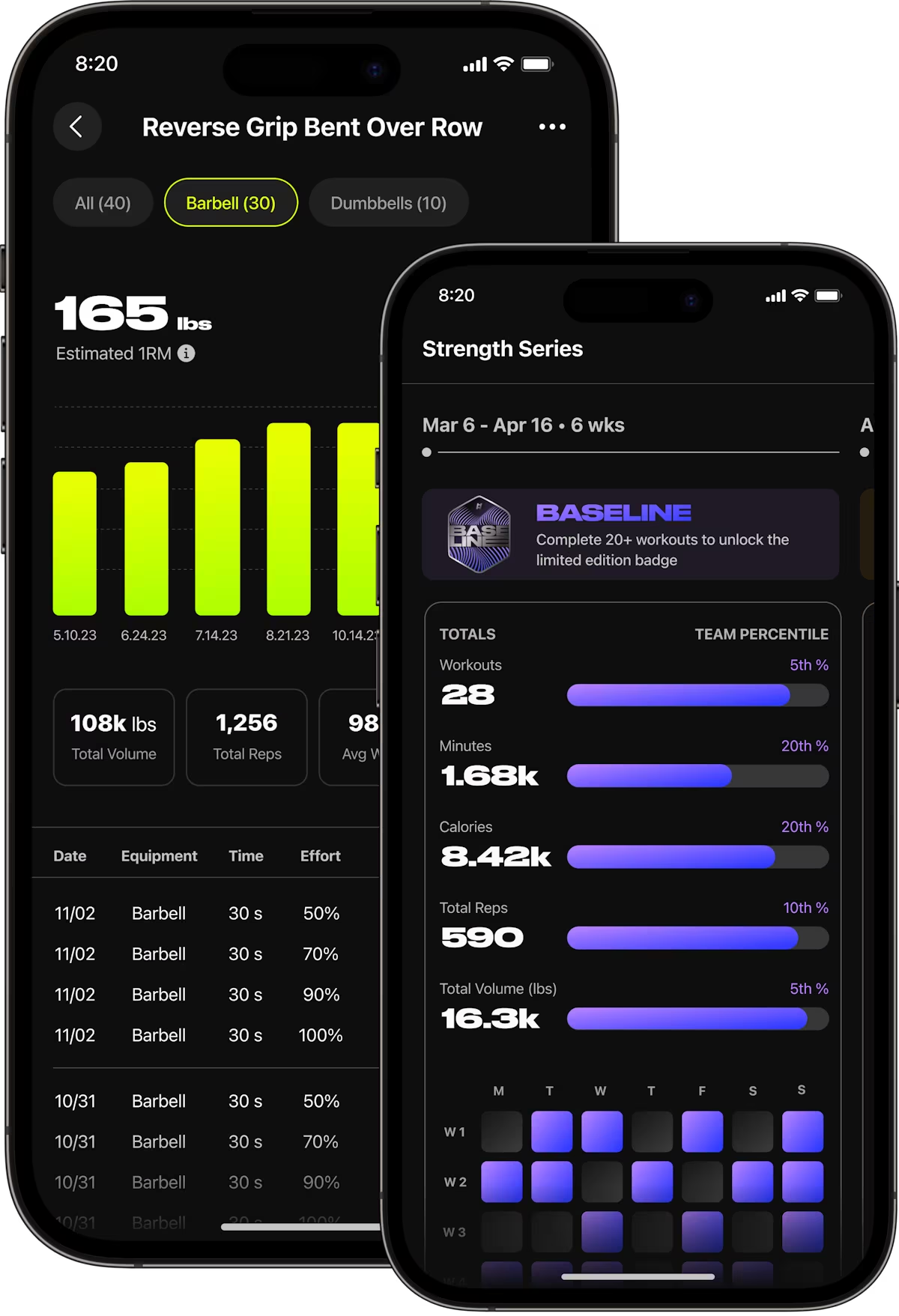
Ladder focuses purely on strength training. After signing up, the app pairs you with a coach based on your goals and available gear.
You can choose programs that use:
- Kettlebells
- Barbells
- Dumbbells
- Bodyweight
Every week, you get a fresh training plan and can chat with your coach right in the app.
Pros:
- High-quality strength programs
- Direct access to a coach
- Detailed video tutorials
Cons:
- Only available on iPhone
- Very limited cardio options
Costs about $30 per month.
Alo Wellness Club: Yoga and flexibility-focused app
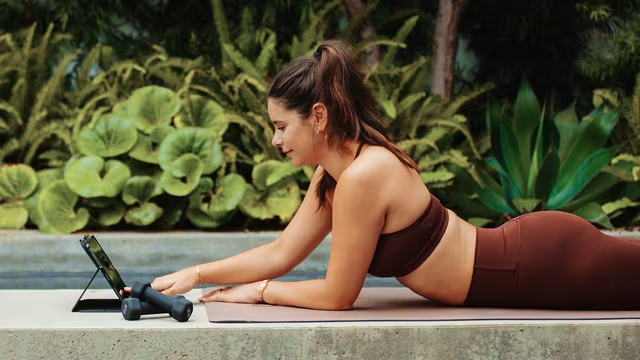
If yoga and improving flexibility are your priorities, Alo Wellness Club is a leading choice. It covers a broad range of styles:
- Hatha yoga
- Ashtanga
- Vinyasa
- Restorative yoga
- Prenatal yoga
- Meditation sessions
- Pilates
- Barre workouts
There are also specialized courses for mastering advanced poses and handstands.
Since late 2025, Alo Wellness Club is fully free to use.
FitOn: Variety for casual and inconsistent trainers
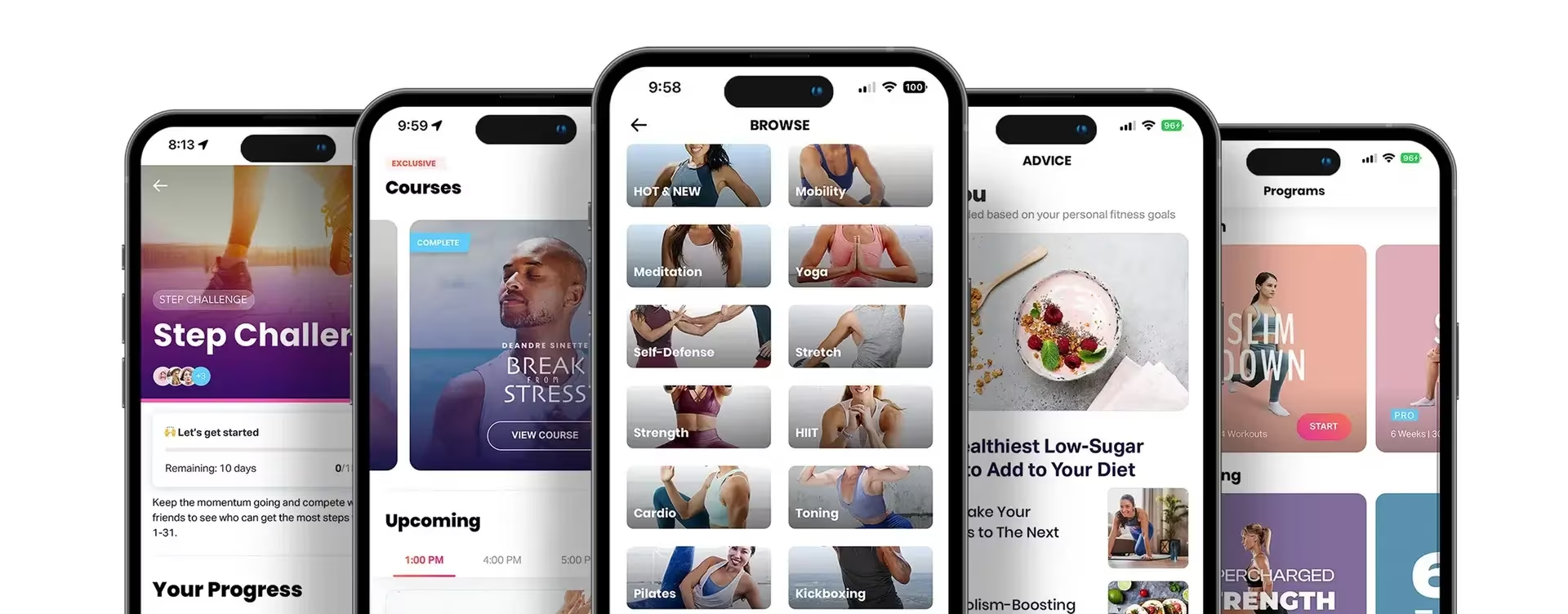
FitOn suits those who struggle to stick to a fitness routine, offering a broad spread of workout styles like:
- Yoga
- Dancing
- HIIT
- Pilates
- Barre
- Functional training
You can use a free version or upgrade to Pro for extra features and music streaming.
Users especially praise the app for its program variety and flexibility to work out anytime.
Apple Fitness Plus: Best app for Apple device users
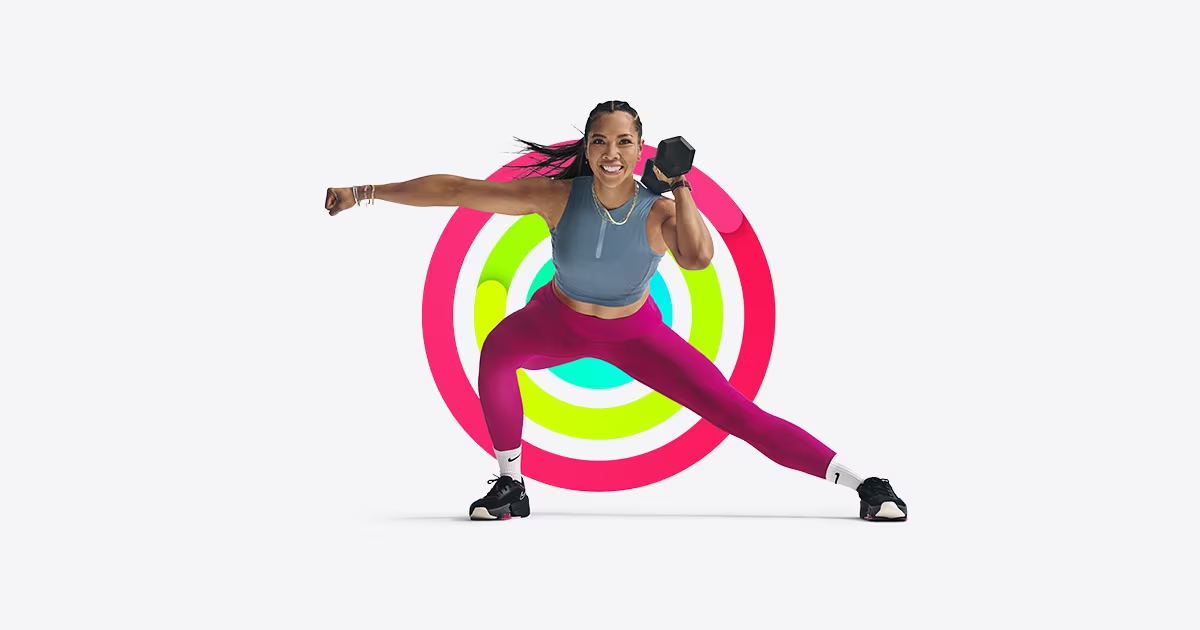
If you own Apple gear, Apple Fitness Plus is one of the slickest, most integrated platforms. It features over 5,000 workouts across:
- Strength training
- HIIT
- Yoga
- Meditation
- Time to Walk and Time to Run guided experiences
- Kickboxing
- Core workouts
Its tight Apple Watch integration tracks your heart rate, steps, and calories automatically.
Pros:
- Seamless connection within Apple’s ecosystem
- Massive workout catalog
- Family sharing for subscriptions
- Affordable-around $10 per month
Cons:
- Only available on Apple devices
- No personal trainer format included
Can you get a solid workout without a gym?
Absolutely. Most modern fitness apps offer home-friendly programs requiring minimal or no equipment.
Which app is best for beginners?
Nike Training Club is a top pick thanks to free access, a vast program selection, and straightforward video guides.
Are there apps with personal trainers?
Yes, Future Pro offers an almost real-trainer experience by pairing you with a coach who adjusts your plan regularly.
What’s best for running?
Strava shines with detailed run tracking, analytics, and broad device support.
How to choose a fitness app?
All-around training: Nike Training Club
Personal coaching: Future Pro
Group classes and motivation: Peloton App One
Running and cycling: Strava
Women-focused: Sweat
Strength training: Ladder
Yoga: Alo Wellness Club
Variety and flexibility: FitOn
Apple users: Apple Fitness Plus
Many of these fitness apps compete directly with giants like Apple Fitness Plus and Peloton, which capitalize on tight hardware integration and branded workout experiences. Meanwhile, apps like Strava have carved out a loyal following among outdoor athletes thanks to their rich social and tracking features. This diversity means everyone can find an app that fits their style, budget, and fitness goals better than a generic gym membership.
Looking ahead, the lines between personal trainer apps and community-driven workout platforms will blur even more. Expect future updates to address nutrition, mental wellness, and AI-driven personalization. The question isn’t whether fitness apps can replace gyms, but which app can best fit your lifestyle – and how deeply it integrates into your tech ecosystem.