

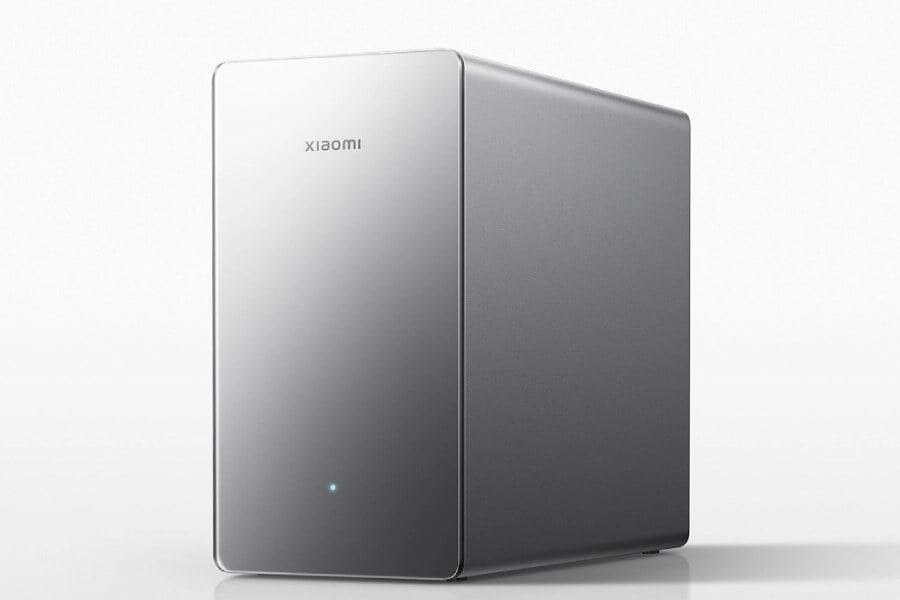
Xiaomi has stepped into the NAS business with the Xiaomi Smart Storage, its first network-attached storage device, and it is not pretending to be a mass-market retail splash. Instead, the company is testing demand in China through crowdfunding from July 1 to July 8, a cautious move that keeps risk low while Xiaomi figures out whether its ecosystem can stretch from phones and TVs into serious home backup hardware.
The pitch is simple: a dual-bay NAS in three versions, with enough capacity for home media hoarders and small teams that want a private backup box they control themselves. Xiaomi has not published the full spec sheet yet, which is annoying but very on-brand for a product being unveiled before the details are fully baked.
Xiaomi Smart Storage prices and configurations
All three versions use the same dual-bay layout, but the capacities and crowdfunding prices change quite a bit:
- Beginner: 4TB (2TB x 2) for ¥2,299, with a suggested retail price of ¥3,499.
- Advanced: 8TB (4TB x 2) for ¥2,899, with a suggested retail price of ¥4,499.
- Professional: 16TB (8TB x 2) for ¥4,699, with a suggested retail price of ¥6,999.
That pricing makes the early-backer discount look generous, especially at the top end, where the crowdfunding gap is wide enough to matter. It also puts Xiaomi in a busy category dominated by specialist storage brands that have spent years convincing consumers that a NAS is less intimidating than it sounds.
A familiar Xiaomi playbook in a new category
The bigger story here is less about raw capacity and more about Xiaomi doing what Xiaomi does: turning another home gadget into part of a wider ecosystem. NAS devices usually live in the awkward space between consumer convenience and IT chores, so a company with mass-market reach could make the category feel less nerdy if the software is decent enough.
That ”if” matters. Xiaomi has not confirmed connectivity features, software tools, or even an international launch, so the Smart Storage is still more promise than product. The campaign launch should fill in those blanks, and the company will need that information because Synology, QNAP, and newer consumer-focused rivals do not give up shelf space easily.
What happens after July 8
If the crowdfunding target is hit, Xiaomi will have a tidy proof of concept and a new hardware category to attach to its smart-home strategy. If it misses, the company can still call it a test run and move on, but the more interesting question is whether buyers want a Xiaomi-branded NAS badly enough to trust it with family photos, backups, and office files. That answer will say a lot about how far the brand can push beyond the usual appliance-and-gadget comfort zone.