

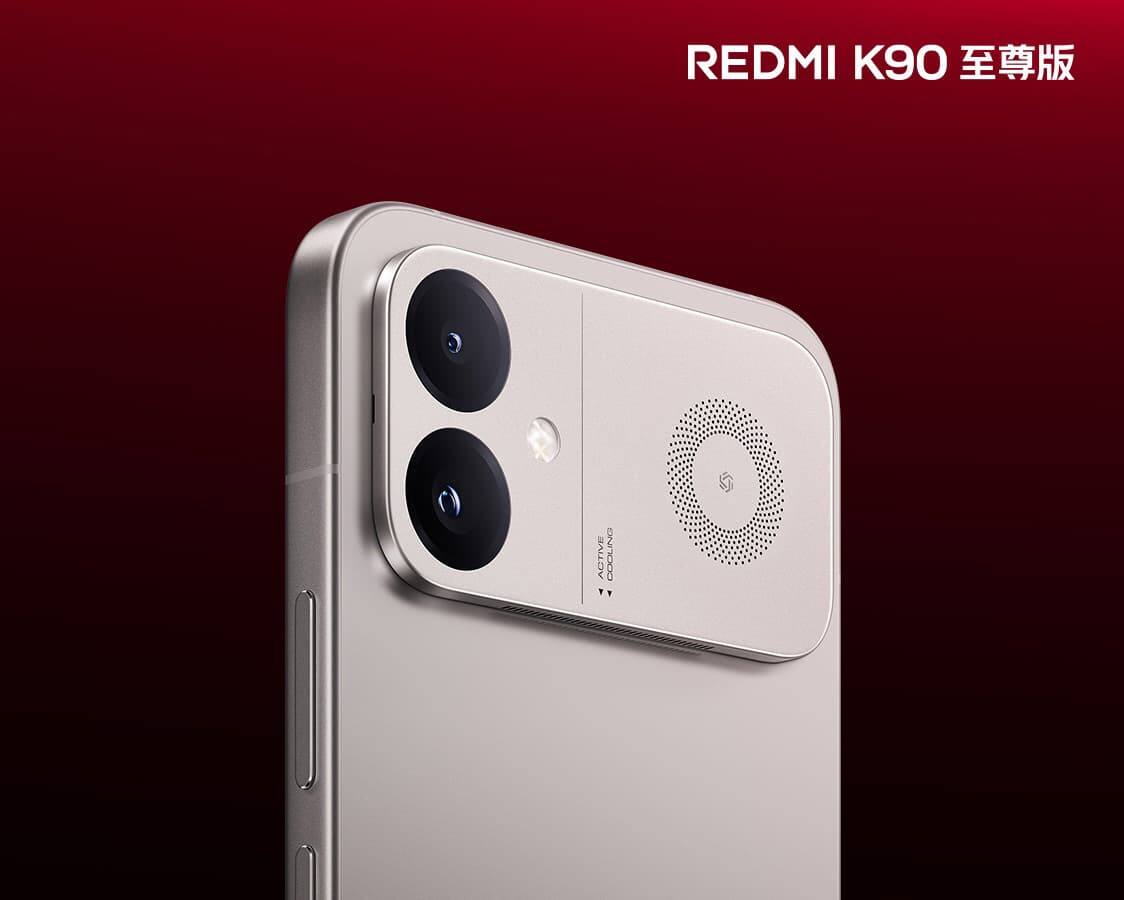
Redmi K90 Ultra is shaping up as a no-nonsense gaming phone, with Xiaomi president Lu Weibing highlighting a Snapdragon 8 Elite chip, a D2 gaming coprocessor, and a stack of features aimed at keeping mobile play fast, quiet, and stable. The headline act is the cooling system: Xiaomi says it uses the same active setup as the Redmi K90 Max, and the company is pitching this as a way to push the phone into territory usually reserved for top gaming flagships.
That’s the right kind of flex for a phone that wants to sell on sustained performance rather than benchmark theater. Gaming phones live or die by throttling, and Xiaomi is clearly trying to win the argument before the first review unit even lands.
Redmi K90 Ultra gaming hardware
The feature list reads like a checklist for people who hold their phone in landscape mode for hours: an esports-grade touch response mode, special gaming audio effects, and network optimization for horizontal play. Xiaomi is also promising a 6.83-inch flat display with very thin bezels, a high refresh rate, water and dust resistance, and a metal body with an aluminum frame.
- Snapdragon 8 Elite processor
- D2 gaming coprocessor
- Esports touch mode
- Gaming sound effects
- Network optimization for horizontal mode
Cooling claims and battery rumors
Xiaomi says the active cooling can drop the device temperature by up to 10°C in 100 seconds, while keeping noise below 32 dB. If that holds up outside the promo video, it would be a very practical advantage: less heat means less throttling, and less throttling means fewer excuses for frame drops when a match gets messy.
Earlier reports pointed to a battery of about 8,500 mAh and 100W charging, which would fit the same theme of brute-force endurance. The result is a phone that appears designed to bully long sessions rather than merely survive them, and that puts Xiaomi in direct competition with the more established gaming-heavy names that have spent years polishing this formula.
What Xiaomi is trying to prove
The subtext here is familiar: Xiaomi wants Redmi to be seen as more than the budget-friendly cousin in the family. By stacking a flagship chip, dedicated gaming silicon, and active cooling, the company is trying to claim a piece of the premium performance market without surrendering the Redmi badge that usually signals better value than vanity.
The open question is not whether the spec sheet looks aggressive. It does. The real test is whether Redmi K90 Ultra can keep that promise once the battery drains, the chassis heats up, and a real game starts doing what games do best: exposing marketing for what it is.