• 3 min read
X-energy targets up to $814.3 million in Nasdaq IPO
X-energy is heading for the public markets in a Nasdaq IPO with a pitch that’s part nuclear comeback, part AI-era power play. The Amazon-backed startup began its investor roadshow Wednesday and set a target price of $16
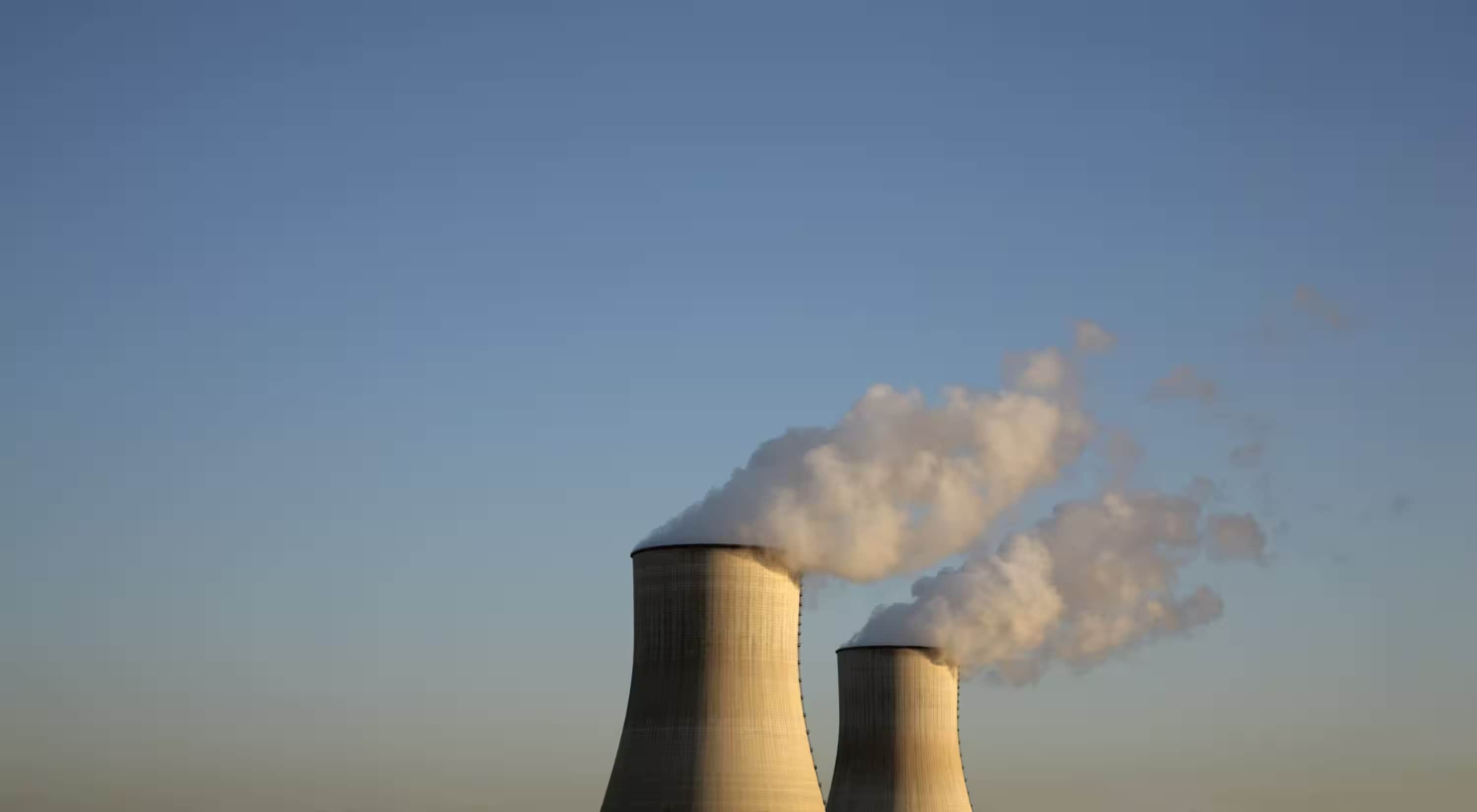
Image: TechCrunch
X-energy is heading for the public markets in a Nasdaq IPO with a pitch that’s part nuclear comeback, part AI-era power play. The Amazon-backed startup began its investor roadshow Wednesday and set a target price of $16 to $19 a share, a range that could raise as much as $814.3 million if it prices at the top end.
That’s a big number for a company that still hasn’t built a power plant. It also reflects a broader rush into advanced nuclear, as electricity demand climbs from data centers and wider electrification, while the industry hunts for designs that are smaller, faster to deploy, and less financially brutal than the last generation of reactors.
Amazon’s bet is now going public
Amazon is one of X-energy’s largest backers. The company led a $500 million Series C-1 round and has pledged to buy as much as 5 gigawatts of nuclear power from X-energy by 2039, a reminder that the real customer for this kind of reactor may be hyperscale computing before it is the traditional grid.
The IPO should also give relief to investors who have already poured about $1.8 billion into the startup, according to PitchBook. X-energy previously tried to go public through a reverse merger with a SPAC, but that deal was canceled in 2023 as the SPAC boom faded and buyers got a lot more selective.
How X-energy’s reactor is designed
The company is building a high-temperature, gas-cooled reactor. Its fuel uses uranium encased in ceramic and carbon spheres, with helium gas carrying heat to a steam turbine loop to generate electricity. The fuel format, known as TRISO, is intended to be safer than older arrangements, though it is still far from mainstream.
Recommended reading
U.S. licenses commercial seawater uranium extraction
- Target price: $16 to $19 per share
- Potential proceeds: up to $814.3 million
- Backer: Amazon
- Planned customer commitment: as much as 5 gigawatts by 2039
The patent fight and the long road to scale
X-energy also disclosed a patent dispute tied to Ultra Safe Nuclear Corporation, which went bankrupt in 2024. X-energy says USNC infringed on its fuel fabrication patents, and that the issue was not resolved to its satisfaction during the bankruptcy process. In nuclear, legal distractions are rarely the main event, but they are one more reminder that even the promising stuff comes with baggage.
The harder problem is industrial, not legal. Outside China, new reactor development has been stuck for years under the weight of delays and overruns, and small modular reactor startups are trying to break that pattern by shrinking the technology and manufacturing more of it in factories. The catch: none has built a power plant yet, and scaling production usually takes about a decade before the economics start to improve.
What investors will watch next
X-energy says its reactor production could eventually get 30% cheaper once it reaches “Nth-of-a-kind” manufacturing. That sounds nice on a slide deck. The first reactor’s price is the one that will tell the truth, because if the initial build is ugly enough, the promised learning curve may never matter.
The company and its peers are also racing to meet a July 4 deadline set by the Trump administration, although many may miss it. Even if they do reach criticality, turning that into profitable power is another story entirely – and that is where the nuclear startup graveyard usually begins to look crowded.

Frontier Editor
Dan is our resident futurist, covering electric mobility, space exploration, and the smart home. He's interested in atoms just as much as bits. Whether it's a new battery chemistry, a reusable rocket, or a protocol that finally makes IoT devices talk to each other, Dan breaks down the engineering that pushes humanity forward.
via TechCrunch